
Rare Wetland Plant Returns to East Yorkshire to Restore UK Butterfly Species
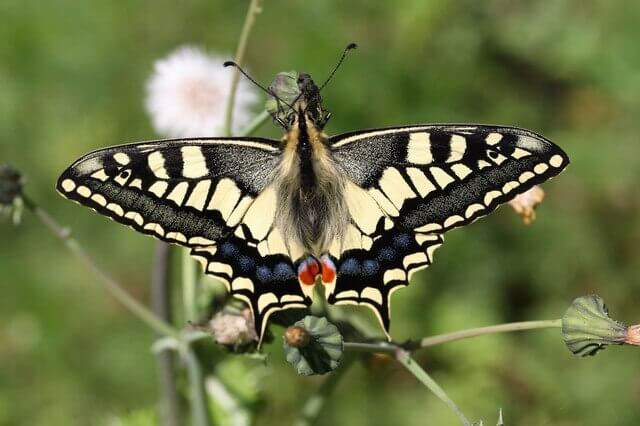
A rare wetland plant is being reintroduced in East Yorkshire in a major effort to restore habitat for one of Britain’s most iconic insects—the swallowtail butterfly.
Milk parsley, a vital plant for this species, is being planted around Hornsea Mere after decades of decline.
Milk parsley once thrived in the marshy landscapes surrounding Hornsea Mere but disappeared following widespread land drainage in the 18th and 19th centuries.
Now, conservationists hope its return could pave the way for the swallowtail butterfly—the UK’s largest native butterfly—to reappear in East Yorkshire for the first time in over 100 years.
John Barnard, a wetland specialist, said: “There are historical records of swallowtails right across East Yorkshire. So bringing milk parsley back basically puts things in place for where they originally lived.”
Swallowtail Butterfly Remains Highly Localised in the UK
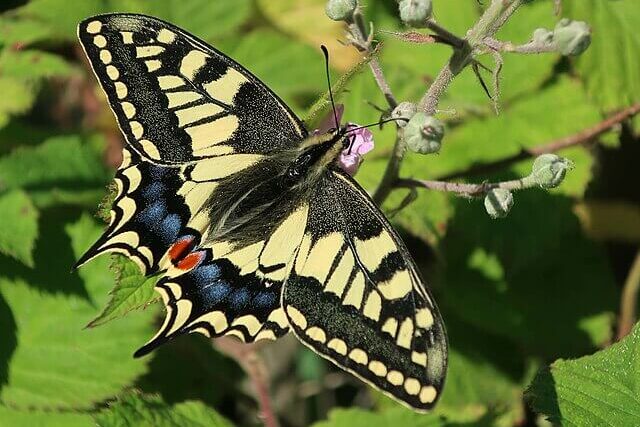
According to The Wildlife Trusts, swallowtail butterflies are among the most restricted species in Britain.
Today, they are found only in the Norfolk and Suffolk Broads, where they attract visitors each year between late May and mid-July.
Without milk parsley, however, these butterflies cannot breed—making habitat restoration essential for their survival.
Conservation Partnership Driving Wetland Recovery
The restoration project is a collaboration between the Wassand Estate and Tophill Low Nature Reserve.
Seeds were collected from the few remaining milk parsley plants at Hornsea Mere in 2024 and carefully cultivated to preserve their local genetic characteristics. These nursery-grown plants are now being reintroduced to the area by staff and volunteers.
“They struggled in the past because in the 1700s, when the Dutch came over and started draining all of East Yorkshire, the wetlands dried out and the plant largely died off,” John said.
Hornsea Mere is one of Yorkshire’s most important wildlife areas, surrounded by reedbeds, wetlands, grassland, and woodland. It is protected as a Site of Special Scientific Interest (SSSI) and a Special Protection Area (SPA) due to its importance for rare and migratory birds.
Restoring milk parsley is seen as a crucial first step in rebuilding the wider wetland ecosystem.
Creating a Future for the Swallowtail Butterfly
Efforts are also underway to establish milk parsley across the wider River Hull catchment, creating a network of suitable habitats that could support a future reintroduction of the swallowtail butterfly.
Conservationists caution that any return of the species will take time—but restoring the right conditions is a vital first step toward bringing this rare butterfly back to East Yorkshire.
Conner Peters, from Groundwork Yorkshire, which is restoring the mere, said: “Potentially, in five years, that’s the earliest point we think a reintroduction would be possible, because we’re still in the early doors of creating these plant populations.”
At Natural World Fund, we see the return of milk parsley as part of a wider effort to restore UK wildlife and rebuild lost habitats. Species like the swallowtail butterfly depend on healthy, connected ecosystems—and without continued conservation and habitat restoration, they risk disappearing from more parts of the UK.
If you care about restoring native wildlife in the UK, support the work of Natural World Fund today.
Image sources
- Swallowtail_Butterfly,_Horsey_Mere_-_geograph.org.uk_-_6191639 (1): Wikipedia Commons
- Swallowtail_Butterfly_(Papilio_machaon)_-_geograph.org.uk_-_854088 (1): Wikipedia Commons