

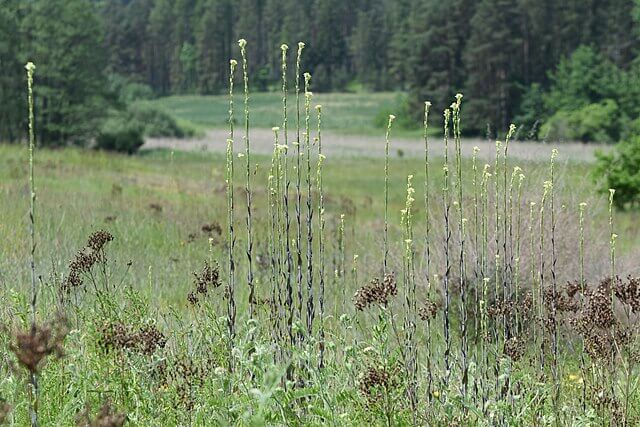
Volunteers Needed to Save One of London’s Rarest Wildflowers
Volunteers across Greater London are being invited to help protect a threatened wildflower that plays a vital role in supporting pollinators such as bees, butterflies, and rare moths. The initiative aims to prevent the disappearance of tower mustard, one of the capital’s rarest native plants.
Community Conservation Project to Restore Tower Mustard
The conservation organisation Citizen Zoo has launched a new community-driven project to restore populations of tower mustard. Today, the plant is believed to survive at only two sites in London and around 30 locations across England.
Through the project, volunteers will grow tower mustard plants at home from seed before helping to reintroduce them to carefully selected habitats across the city.
Charlotte Harris, nature conservation manager at Habitats & Heritage, which is working with Citizen Zoo, said: “We are looking forward to giving residents the unique opportunity to get hands-on in conserving one of London’s rarest plants.”
Why Tower Mustard Is Important for Pollinators
Tower mustard was once widespread across parts of England but has suffered major population declines. Due to habitat loss and changes in land management practices, the species is now classified as near threatened on the national Botanical Society of Britain and Ireland Red List.
Elliot Newton, director of rewilding at Citizen Zoo, said: “The mission to rewild our city isn’t something we can achieve alone.”
He said the project needed “collaboration between conservation organisations, local authorities and local communities”.
“By putting tower mustard in the spotlight and working together at scale, we can demonstrate how to bring a rare London species back from the brink,” added Newton.
Restoring this wildflower could help support important pollinators such as bees, butterflies and specialist moth species that rely on native plants for food and habitat.
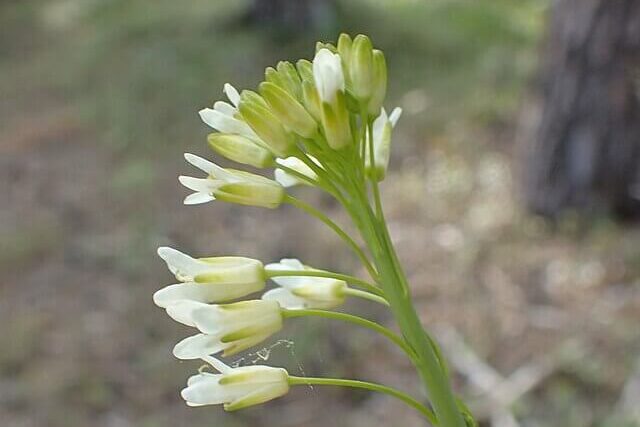
Learn How to Grow Tower Mustard at Home
As part of the programme, volunteers will receive seeds collected from London’s remaining strongholds of tower mustard. They will learn how to cultivate the plants at home before transferring them to outdoor habitats later in the year.
Training will be delivered by the conservation charity Habitats & Heritage, with an introductory session taking place in Twickenham on 14 March.
After growing the plants over the summer, volunteers will take part in planting days in the autumn. Newly grown tower mustard plants will be introduced to five sites across the species’ historic range in London, helping to rebuild populations in suitable habitats.
Building on Successful Community Rewilding Projects
The tower mustard initiative builds on previous community conservation efforts led by Citizen Zoo. One example is the Hop of Hope project, which asked volunteers to rear large marsh grasshoppers at home before releasing them into restored wetlands in Norfolk.
However, the tower mustard programme marks the organisation’s first London-based conservation project focused on protecting a plant species.
The initiative is funded by the Greater London Authority through the Green Roots Fund, alongside support from Thames Water. The funding aims to empower communities to take action for nature and help restore biodiversity across the capital.
At Natural World Fund, we believe protecting and restoring native wildflowers is essential for safeguarding biodiversity and supporting the pollinators that keep ecosystems healthy. Species like tower mustard may be small, but they play an important role in providing food and habitat for bees, butterflies and other insects that underpin natural food webs. Across the UK, many native plants have declined due to habitat loss, urban development and changes in land management. By supporting conservation initiatives, empowering local volunteers and restoring native plant populations, we can help rebuild healthier ecosystems and ensure that rare species continue to thrive in our landscapes for generations to come.