

UK Bumblebees Are Struggling in Extreme Heat
UK bumblebee populations could suffer significant declines as heatwaves become more frequent and intense, new analysis suggests.
The findings draw on data from the Bumblebee Conservation Trust’s long-running national monitoring scheme. The data shows a decline in bumblebee populations following the record-breaking heat experienced across the UK in 2022.
The warning comes as Britain emerges from another summer heatwave, with temperatures reaching levels at which bumblebees can struggle to fly without overheating.
Bumblebees are among the best-loved sights of the British summer. They are also essential pollinators, helping wildflowers reproduce and supporting some of the crops people rely on.
Why Extreme Heat Is Dangerous for Bumblebees
Bumblebees are adapted to Britain’s historically cooler climate.
Their fat, furry bodies help them retain heat, while powerful flight muscles generate warmth as they fly. These adaptations are useful in cooler conditions but can become a problem during extreme heat.
When temperatures rise, their flight muscles generate additional heat. Their thick coats and rounded bodies can then make it harder for them to cool down.
Dr Richard Comont, science manager at the Bumblebee Conservation Trust, says UK bumblebees can start struggling to fly without overheating when air temperatures reach around 28C to 32C.
If bumblebees cannot fly, they cannot forage for the nectar and pollen their colonies need.
“They actually cook themselves from the inside out,” says Comont. “Once their internal body temperature is much above 40C, they literally start dying, they start keeling over.”
What Happened to Bumblebees During the 2022 Heatwave?
The impact of extreme heat was particularly visible in 2022.
That year, the UK experienced three official summer heatwaves, with temperatures reaching a record 40.3C.
BeeWalk monitoring data showed that several of the UK’s most common bumblebee species peaked well below their normal levels.
Red-tailed, buff-tailed and common carder bumblebees recorded peak numbers around 20%, 25% and 35% below normal levels respectively.
Numbers then fell further into autumn as colonies struggled.
The impact also appeared to continue into the following year. BeeWalk data showed that overall queen numbers were below average during March, April and May 2023.
Warm Weather Is Not Always Bad for Bumblebees
Scientists stress that warm and sunny weather is not automatically harmful to bumblebees.
Previous warm years have benefited some species, particularly bumblebees whose natural ranges are further south.
The problem is extreme heat combined with drought.
High temperatures can make it difficult for bumblebees to regulate their body temperature. At the same time, drought can reduce the availability of the flowers they depend on for food.
This combination could make increasingly extreme summers particularly challenging for UK bumblebee populations.
Drought Can Leave Bumblebees Without Food
Heat is only part of the problem.
Bumblebee colonies depend on workers collecting a reliable supply of nectar and pollen throughout the summer. When flowering plants dry out, they can produce less food for insects.
Dr Paul Williams, a bumblebee expert at the Natural History Museum, describes bumblebee foraging as an energy calculation.
The energy a bee gains from nectar needs to make the effort of finding and collecting it worthwhile. As he puts it, they need to “make a profit”.
Bumblebees cannot afford to spend valuable energy searching dried-up flowers for nectar and pollen that is no longer available.
When colonies cannot find enough food, larvae can develop more slowly. Colonies may grow less strongly, while fewer new queens could be produced to establish colonies the following year.
Climate Change Could Increase the Pressure
Global temperatures are rising because of climate change, putting the UK on course for more frequent and intense heatwaves.
For bumblebees, this could create a growing combination of threats.
Extreme temperatures can make flying more difficult, while drought can reduce the supply of nectar and pollen. Together, these pressures could make it harder for colonies to survive and reproduce.
Protecting and restoring habitats could therefore become increasingly important as the climate becomes more extreme.
Flower-Rich Habitats Can Help Bumblebees
Conservationists say one of the best ways to support bumblebees is to create more flower-rich habitats.
A greater variety of flowering plants can provide insects with food throughout the summer, including during periods when some plants have finished flowering or dried out.
Dr Sarah Beynon, an insect expert, manages a farm in west Wales for both wildlife and food production. She has planted meadows, willows, hedgerows, tussocky grasses and late-flowering crops to provide insects with food throughout the summer.
“When we came, this farm was a wildlife desert,” she says. “In 10 years, it’s become a nature reserve.”
Her experience shows that helping bumblebees does not require huge areas of land.
Even a small collection of native wildflowers on a doorstep or windowsill can provide food for insects travelling through landscapes dominated by buildings, roads and other human infrastructure.
“Your flowerpot is a service station,” she says. “It’s somewhere to rest, refuel and carry on.”
Ponds and Shade Can Also Help
There are other ways to make gardens and habitats more suitable for bumblebees during hot weather.
Dr Richard Comont says that adding a pond, however small, and providing shade can help.
Flowers growing close to water tend to produce nectar with a higher moisture content. Bumblebees cannot collect water in the same way as honeybees, meaning they obtain much of the liquid they need from nectar.
More hydrated nectar could therefore help colonies cope with hot conditions.
Dense shrubs can also provide useful shade. They give bumblebees places to escape direct sunlight and may allow them to move between flowers through cooler areas of air.
Restoring Nature Can Help Bumblebees Adapt
The challenges facing UK bumblebees show why protecting nature cannot simply mean preserving what remains.
As extreme weather becomes more common, restoring habitats with abundant and diverse flowering plants could help create stronger ecological networks for pollinators.
From wildflower meadows and hedgerows to gardens, ponds and restored landscapes, creating more connected habitats gives bumblebees greater opportunities to find food and shelter.
Bumblebees are vital to healthy ecosystems and food production. Helping them withstand a changing climate means giving them the habitats and resources they need to survive.
Rebuilding the habitats that wildlife needs
At Natural World Fund, we believe restoring nature means rebuilding the habitats that wildlife needs to thrive. By restoring flower-rich landscapes and creating healthier ecosystems, we can help give pollinators such as bumblebees a better chance in a changing climate.
Image sources
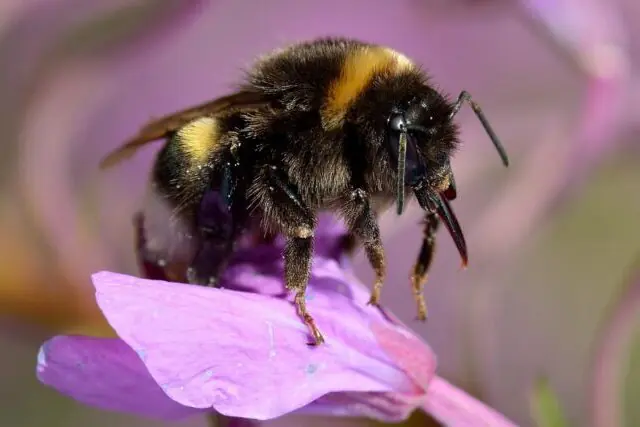
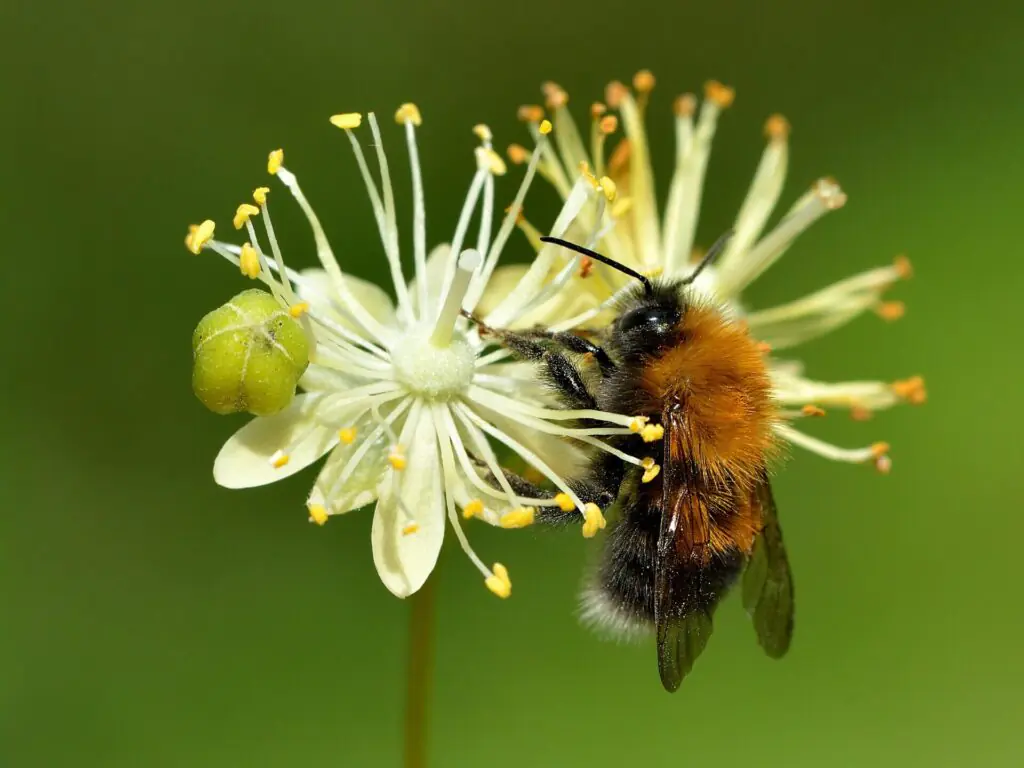
- Bombus_hypnorum_-_Tilia_cordata_-_Keila by Ivar Leidus. Cropped and resized from original: Wikipedia Commons
- Bombus_lucorum_-_Epilobium_angustifolium_-_Keila by Ivar Leidus. Cropped and resized from original: Wikipedia Commons