

UK Butterfly Trends: Winners, Losers and What the Data Really Shows
Long-term data is revealing a clear shift in UK butterfly populations.
The world’s largest insect monitoring programme shows significant changes in butterfly diversity in Britain over the past 50 years, with both encouraging gains and serious declines.
Analysis of more than 44 million butterfly sightings collected since 1976 highlights a complex picture of change:
- Of the UK’s 58 native butterfly species,
- 33 species have declined
- 25 species have increased
This data, from the UK Butterfly Monitoring Scheme, provides one of the most comprehensive insights into long-term insect population trends in the UK.
Climate Change Driving Butterfly Range Expansion
Rising temperatures linked to climate change in the UK are benefiting some butterfly species, particularly those expanding northwards:
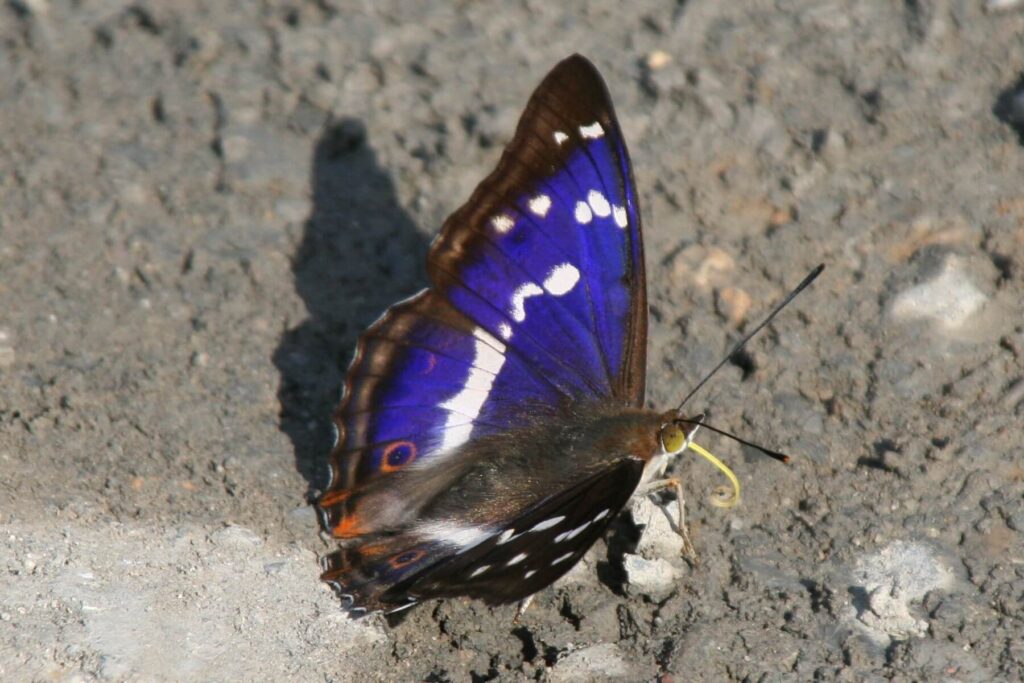
- Purple emperor: +136%
- Red admiral: +330%
- Comma: +178%
Warmer weather is enabling these species to extend their range across Britain, demonstrating how global heating can reshape biodiversity patterns.
Habitat Specialist Butterflies in Sharp Decline
While some species thrive, rare habitat specialist butterflies are experiencing dramatic losses. These species depend on very specific environments such as wetlands, woodlands, and wildflower-rich grasslands.
Notable declines include:
- High brown fritillary: −66%
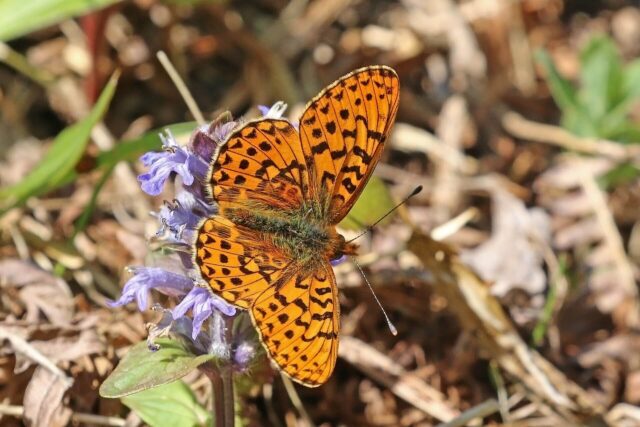
- Pearl-bordered fritillary: −70%
- White-letter hairstreak: −80%
These declines highlight the ongoing crisis in UK habitat loss and biodiversity decline.
“It’s not the insect Armageddon picture that was put forward a few years back,” said Richard Fox, the head of science at Butterfly Conservation. “But the data show very clearly that butterflies have declined in the UK over the last 50 years, and in particular habitat specialist butterflies have declined.”
Woodland Management Loss Linked to Butterfly Declines
The disappearance of traditional practices like coppicing has significantly impacted woodland ecosystems. Without this management:
- Woodlands become denser and shadier
- Flower-rich habitats disappear
- Conditions become unsuitable for many butterflies
As a result, species like the fritillaries have become increasingly rare, underlining the importance of active habitat restoration in the UK.
Pollution and Climate Change: A Harmful Combination
Beyond habitat loss, nitrogen pollution from vehicles is compounding the effects of climate change.
According to Richard Fox, species such as the wall brown and grayling are declining because:
- Warmer temperatures encourage taller grass growth
- Nitrogen pollution accelerates this process
- Taller grass creates cooler microclimates unsuitable for caterpillars
This demonstrates how climate change and pollution interact to impact insect survival.
“The rain is now dilute fertiliser and that’s raining down on our plant communities and causing them to change,” Fox said. “Changes in the composition, structure and even chemical makeup of plants is bound to have knock-on effects on specialist herbivores like our butterfly caterpillars.”
Conservation Success Stories Offer Hope
Despite widespread declines, targeted conservation has delivered remarkable results for some species:
- Large blue: +1,866% (after UK extinction in 1979 and reintroduction)
- Silver-spotted skipper: +300%
- Black hairstreak: +844%
These successes show that evidence-based conservation strategies work when properly implemented.
Citizen Science Powering UK Biodiversity Data
The dataset behind these findings is built on extraordinary public participation:
- 1.5 million kilometres walked by volunteers
- Monitoring at 7,600+ sites across Britain
- Weekly surveys conducted since 1976
This makes the UK a global leader in citizen science and biodiversity monitoring.
Prof Chris Thomas, the former director of the Leverhulme Centre for Anthropocene Biodiversity at the University of York and currently professor of biology at the centre, who is not connected with the UKBMS, said: “The UKBMS scheme itself is exceptional, and should be celebrated. We can all agree that there has been a lot of change, and it is thanks to the UKBMS that we know this. The fact that 43% of species with data have increased over the last 50 years is fairly remarkable given the rates of environmental change.”
Why the UK Butterfly Monitoring Scheme Matters
Experts like Chris Thomas emphasise the importance of long-term data:
The scheme is exceptional and has transformed our understanding of environmental change.
Despite rapid environmental shifts, 43% of monitored species have increased, showing that nature can respond positively under the right conditions.
2025 Butterfly Season: Sunshine Without Success
Interestingly, 2025 was Britain’s sunniest year on record, yet butterfly populations did not peak:
- Ranked only the 20th best year since 1976
- No species recorded its best year
This reinforces a key message: good weather alone cannot offset habitat loss, pollution, and long-term environmental pressures.
Fox added: “It’s not just that the total number of butterflies has gone down, it’s about the diversity that’s being eroded. Just as we have lost family-run shops and traditional skills from the nation’s high streets, so we’ve lost variety and diversity in the butterfly communities that can exist in our damaged and simplified landscapes.
“We have some remarkable species in this country, and we know what we need to do to help them: create more habitat. That is what Butterfly Conservation has been doing for more than 50 years, but we are fighting an increasingly urgent battle and we need more help.”
Protecting UK Butterflies: What Needs to Happen Next
The evidence is clear—while some butterflies are adapting, many are not. To reverse declines, the UK must:
- Restore and protect wildflower-rich habitats
- Reintroduce traditional land management practices
- Reduce pollution and emissions
- Scale up targeted conservation efforts
As conservationists stress, the solutions already exist—they simply need to be implemented at scale.
Support UK Rewilding Efforts
At Natural World Fund, we champion science-led nature restoration to protect and recover the UK’s most threatened species and habitats. The latest butterfly data shows that while some species can adapt, many rely on targeted conservation and active habitat management to survive. From restoring wildflower-rich grasslands and revitalising woodlands to supporting evidence-based conservation projects, we focus on solutions that deliver measurable gains for biodiversity. By investing in nature-based recovery and empowering communities to take action, we’re helping create landscapes where butterflies—and the ecosystems they support—can stabilise, recover, and thrive.
If you care about restoring native wildlife in the UK, support the work of Natural World Fund today.
Image sources
- Apatura iris Weinsberg 20080618 3 by Rosenzweig. Resized from original: Wikipedia Commons
- Pearl-bordered fritillary (Boloria euphrosyne) female by Charles J. Sharp. Resized from original: Wikipedia Commons