

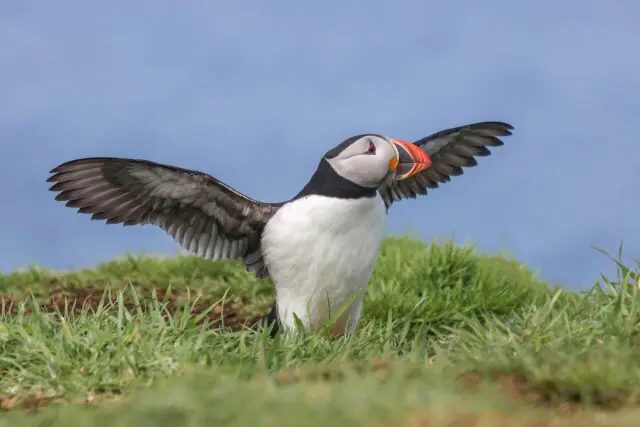
UK Puffin Populations Decline by 25% Since 2000
Populations of Atlantic puffin across the UK have dropped by 25% since 2000, despite ongoing conservation efforts, according to the RSPB.
The decline highlights growing concerns about the health of the UK’s marine ecosystems and the future of seabirds.
Celebrated annually on 14 April, World Puffin Day marks the seasonal return of puffins and other seabirds to nesting sites such as Bempton Cliffs. This iconic location is home to the UK’s largest mainland seabird colony and plays a vital role in conservation awareness.
Sandeel Shortage Threatens Puffin Survival
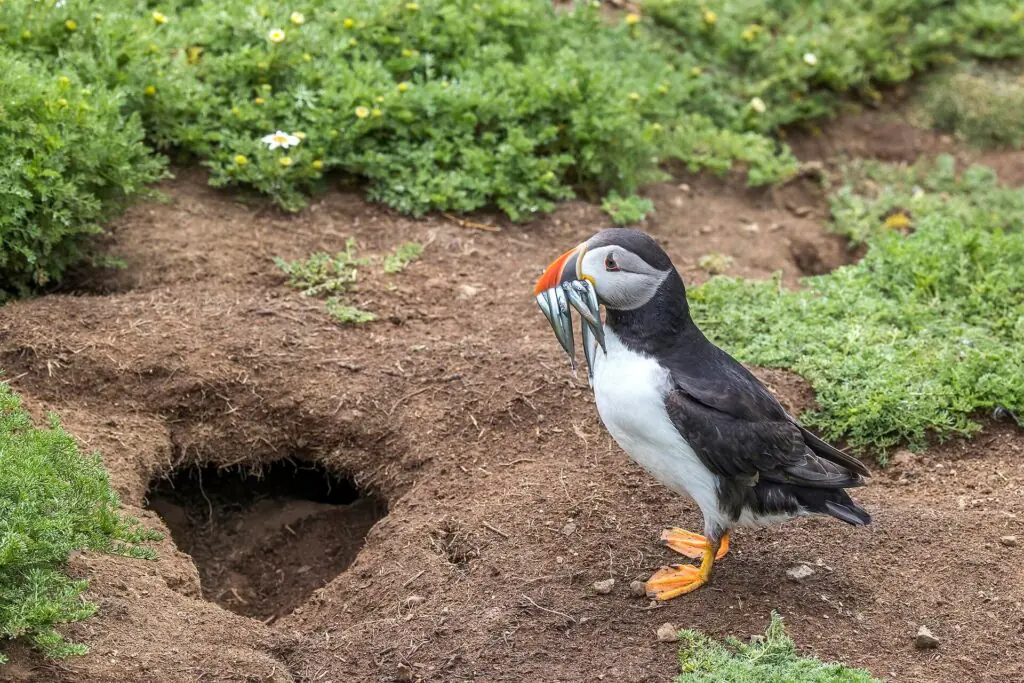
According to reserve manager Dave O’Hara, a key factor behind the decline is the reduced availability of sandeel in the North Sea. Sandeels are a primary food source for puffins, and their scarcity directly impacts breeding success and chick survival.
“Sandeels may be small, but they sit at the very heart of the North Sea food web. Without them, seabirds like Puffins and Kittiwakes simply cannot raise their chicks successfully,” he said.
The RSPB reports that sandeel populations have been under sustained pressure from industrial-scale fishing, climate change, and broader environmental stressors affecting marine biodiversity.
UK Government Bans Industrial Sandeel Fishing
After years of campaigning by the RSPB and conservation groups, the UK Government announced a ban on industrial sandeel fishing in English North Sea waters in January 2024.
This policy became a permanent closure in spring 2024, offering hope for seabird recovery and marine ecosystem restoration.
RSPB’s director for conservation, Katie-Jo Luxton, said: “We cannot take the arrival of puffins and other seabirds back to our shores for granted.
“Our seabirds face many pressures: overfishing and climate change affecting food availability, poorly planned offshore marine development excluding them from key habitats and the ongoing impacts of bird flu.”
“Save Our Seabirds” Campaign Launched on World Puffin Day
World Puffin Day also marked the launch of the RSPB’s Save Our Seabirds campaign, aiming to raise £250,000 for its Marine Recovery Programme. The initiative seeks to tackle key threats facing seabirds and restore fragile marine habitats.
A bespoke sculpture featuring sea kelp and sandeels has been unveiled at the visitor centre at Bempton Cliffs. This creative installation is part of a wider fundraising effort to support seabird conservation and engage visitors with the challenges facing marine wildlife.
O’Hara said: “This sculpture is a way of telling that story — of hope, of recovery, and of the people who have campaigned alongside the RSPB for decades to protect these birds.
“Healthier sandeel populations mean healthier chicks, and that gives Bempton’s seabirds a fighting chance for the future.”
Seabird Decline Across the UK and Ireland
The latest seabird census, published in November 2023, revealed that more than half of seabird species breeding along British and Irish coastlines have declined over the past two decades.
Alarmingly, around one in four puffins have disappeared from UK colonies since 2000, underlining the urgency of conservation action.
Support UK Rewilding Efforts
At Natural World Fund, we support science-led action to restore healthy marine ecosystems by protecting key species like sandeel and rebuilding habitats essential for seabirds such as the Atlantic puffin. By prioritising biodiversity and sustainable seas, we can help reverse seabird declines and secure thriving coastlines for future generations.
If you care about restoring native wildlife in the UK, support the work of Natural World Fund today.
Image sources
- Puffin (Fratercula arctica) outside burrow by Charles J. Sharp. Resized from original: Wikipedia Commons
- 02 Atlantic puffin on Treshnish Isles by Romaniviatores. Resized from original: Wikipedia Commons