

UK Vape Waste Still Exceeds 6 Million Devices a Week Despite Disposable Vape Ban
More than 6 million vapes and vape pods are still being thrown away every week in the UK, despite the ban on disposable vapes introduced in June 2025.
While the ban appears to have reduced sales and waste, the scale of discarded e-cigarettes continues to place serious pressure on UK recycling systems, increase the risk of battery fires, and create environmental and public health concerns.
For environmental charities and campaigners, the message is clear: the vape waste crisis is far from over.
Disposable Vape Ban Has Reduced Waste – But Not Enough
Research by Material Focus found that around 6.3 million vapes and pods were discarded every week in 2025, a reduction from the previous year.
This decline suggests that the UK’s ban on single-use vape sales, which came into force on 1 June 2025, is having some effect. The findings also show a 31% fall in the number of vapes purchased each week, indicating a shift in consumer behaviour.
However, while the ban has helped reduce the number of throwaway devices entering the waste stream, millions are still ending up in bins every week.
Vape Recycling Problems Continue Across the UK
Waste management companies say that vape disposal remains a major challenge.
Veolia reported to Material Focus that it experiences around one fire a day across its vehicles and waste facilities, likely caused by hidden lithium-ion batteries inside discarded vapes. Meanwhile, Biffa said it receives more than 200,000 incorrectly recycled vapes every month through mixed recycling collections.
These figures highlight a growing issue: many people still do not know how to dispose of vapes safely or recycle them correctly.
More Than 1 Billion Vapes Have Been Thrown Away in Four Years
According to Material Focus, more than 1 billion vapes have been discarded in the UK over the past four years.
Its research, carried out with Opinium, also found that 47% of vapers did not know their devices could be recycled.
This lack of public awareness is a major barrier to reducing electronic waste, recovering valuable materials, and preventing environmental harm.
Why Vapes Are Dangerous in Household and Recycling Waste
Vapes contain lithium-ion batteries, which can become highly dangerous when thrown into general waste or mixed recycling.
If these batteries are crushed, punctured or damaged, they can ignite and cause fires in:
- Household bins
- Bin lorries
- Waste transfer stations
- Recycling plants
These incidents put waste workers at risk, damage infrastructure, and increase costs for local authorities and waste operators.
Battery Fires Linked to Vapes Are Rising
There is currently no specific national dataset for lithium battery-related fires in England and Wales, making the full scale of the problem difficult to measure.
However, figures from Scotland show a worrying increase. Freedom of Information data from the Scottish Fire and Rescue Service recorded 69 lithium battery-related fires in 2025, compared with just 20 in 2019.
The 2025 total included fires in:
- 10 homes
- 2 hospitals
- 3 prisons
Although there have been no recorded fatalities in Scotland linked to these fires since records began in 2009, the growing number of incidents is a serious warning sign.
Vape Waste Is Costing the UK More Than £1 Billion a Year
Improperly discarded lithium batteries are estimated to cost the UK more than £1 billion annually due to:
- Fire damage
- Disruption to waste and recycling operations
- Increased insurance and safety costs
- Injury risks to staff
- Environmental clean-up and emergency response
This makes vape waste not only an environmental issue, but also a significant economic burden.
Vape Fires Can Also Harm Local Air Quality
Battery fires linked to discarded vapes can release toxic fumes and pollutants into the air.
In some cases, these fires have caused localised spikes in air pollution that exceeded World Health Organization (WHO) safety limits, creating potential health risks for nearby communities.
This means poor vape disposal does not just affect recycling systems — it can also impact public health and local environments.
Single-Use Vapes Are Still Being Bought in the UK
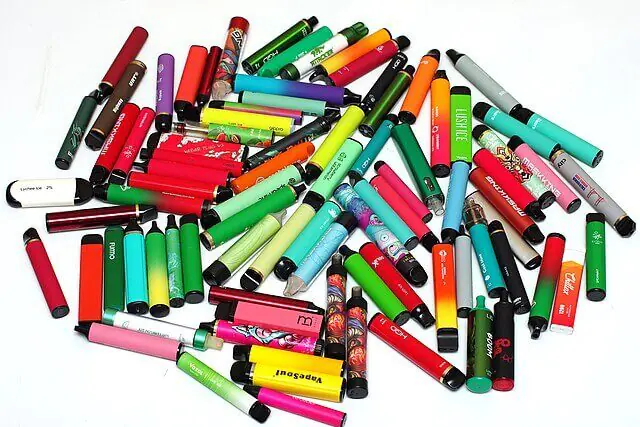
Despite the ban, the research found that an estimated 2.2 million single-use vapes are still being purchased every week.
This raises concerns about:
- Ongoing illegal or non-compliant sales
- Weak enforcement of the disposable vape ban
- Continued demand for throwaway nicotine products
Without stronger enforcement and clearer retailer responsibility, single-use vape waste may continue to circulate for years.
The Market Is Shifting to Rechargeable and “Big Puff” Vapes
The ban has changed the vape market, with many users moving towards rechargeable devices rather than disposable products.
However, these alternatives still present a waste challenge.
Purchases of standard rechargeable vapes dropped by 28%, from 6.3 million a week in 2024 to 4.5 million a week in 2025. This decline may have been offset by the increasing popularity of high-capacity “big puff” rechargeable vapes, which offer several thousand puffs compared with older 600-puff models.
At the same time, refill pods are becoming more common, creating yet another stream of plastic, battery and electronic waste.
Better Vape Recycling and Public Awareness Are Urgently Needed
Material Focus says the UK now needs a comprehensive and accessible vape take-back system to stop millions of devices being thrown away incorrectly.
The organisation is calling for:
- Clear recycling instructions on vape packaging
- Highly visible in-store vape recycling points
- A nationwide public awareness campaign
- Mandatory retailer take-back schemes
- Stronger regulation through vape retail licensing
Scott Butler, Executive Director of Material Focus, described the ongoing issue as a “vapocalypse”, warning that battery fires are continuing to rise across the UK.
“It should be as easy to recycle a vape as it is to buy one,” Butler said. “It is a longstanding legal obligation for all of the stores who are profiting from selling them to offer safe recycling drop-off points and cover the costs of doing that. Vape producers and importers should then cover the costs of recycling.”
He said the Tobacco and Vapes Bill currently progressing through Parliament presents a key opportunity to introduce stronger rules, including making in-store vape recycling a requirement for sellers.
A spokesperson for the Department for Environment, Food and Rural Affairs said: “Single-use vapes get kids hooked on nicotine and blight our high streets – it’s why we’ve taken action and banned them.
“Rogue traders will face serious penalties. Those who show a blatant disregard for the rules and reoffend face unlimited fines or jail time.
“We are determined for more vapes to be recycled, and have made it compulsory for all vape retailers to provide recycling bins.”
The UK Must Act Faster on Vape Waste
The disposable vape ban may have reduced some waste, but it has not solved the wider problem of vape disposal in the UK.
Millions of devices are still being discarded every week, many containing hazardous lithium-ion batteries that can trigger fires, pollute communities, and place huge strain on recycling and waste systems.
Without better enforcement, clearer recycling systems, and stronger public education, the environmental damage caused by vaping will continue long after the ban.
For organisations working to protect nature, reduce waste and improve sustainability, this is a growing issue that cannot be ignored.
At Natural World Fund, we know that the waste crisis is also a nature crisis. Discarded vapes and lithium-ion batteries are harming the environment, putting pressure on recycling systems, and increasing fire and pollution risks across the UK. By calling for better recycling, stronger accountability, and greater public awareness, we can help protect nature, communities, and future generations.
If you care about restoring native wildlife in the UK, support the work of Natural World Fund today.
Image sources
- disposable vapes (1): Wikipedia Commons
- Electronic_Cigarette_Vaping_-_Vape_Cloud_(25587025826) (1): Wikipedia Commons