
West Midlands Tram Stops to Become Wildlife Havens with New Eco Island Scheme
Open spaces at tram stops across the West Midlands are being transformed into thriving wildlife havens as part of an exciting new environmental initiative launching over the next 12 months.
The scheme will introduce a series of “eco islands” featuring native wildflowers and pollinator-friendly planting designed to attract butterflies, ladybirds, bees, and other important insects to urban areas.
First Eco Island Created at Black Lake Tram Stop
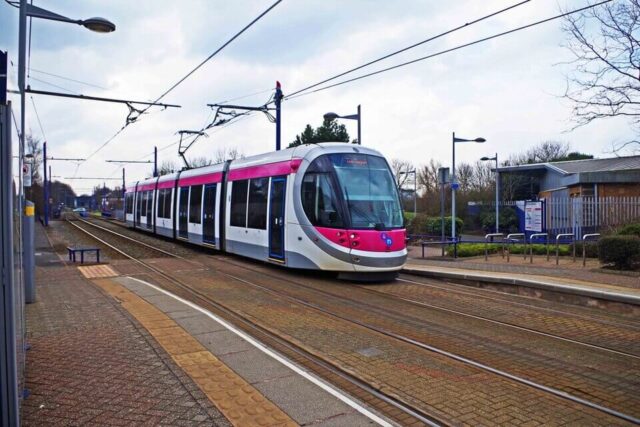
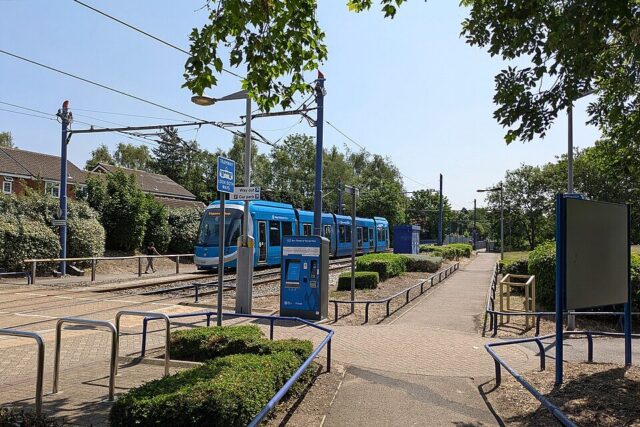
The first eco island has already been completed at Black Lake Tram Stop, where 16 square metres of unused space has been transformed into a vibrant wildlife-friendly habitat.
The project aims to improve biodiversity while enhancing the appearance of tram stops across the region.
“These eco-islands are a low-cost way to deliver a significant boost for the local environment, particularly in built-up areas where important native plants and insects would otherwise struggle to survive,” said Sean Walker, Metro infrastructure manager.
More Wildlife Hotspots Planned Across the Region
Additional eco islands are planned for at least six more tram stops, including:
- Loxdale Tram Stop
- The Crescent Tram Stop
- West Bromwich Central Tram Stop
- Handsworth Booth Street Tram Stop
- Soho Benson Road Tram Stop
- Priestfield Tram Stop
Construction of the remaining eco islands will continue over the coming months, with the full programme expected to be completed within the next year.
Supporting Urban Biodiversity in Built-Up Areas
Sean Walker, Metro Infrastructure Manager, said the eco islands provide a simple yet highly effective way to support local wildlife in heavily urbanised areas.
“They also have the added benefit of enhancing the appearance of the tram stops, bringing a splash of colour in the summer months while providing a year-round sanctuary for a variety of rare species.
“This really is an exciting project that brings a wealth of benefits for the environment and our customers, who can enjoy the sight of beautiful wildflowers on their daily commute.”
“In fact, anyone waiting for a tram at one of the stops will be able to spend a few minutes appreciating the natural beauty to be found in some of the most built-up areas of the region.”
Eco Islands Help Pollinators and Improve Green Spaces
The eco island project highlights the growing importance of urban green spaces in supporting pollinators and improving biodiversity across towns and cities.
By introducing wildflower planting and wildlife-friendly habitats at transport hubs, the initiative will help create healthier ecosystems while making public spaces more attractive for local communities and visitors alike.
Support UK Rewilding Efforts
At Natural World Fund, we support nature-based solutions that help restore biodiversity in urban environments and create healthier spaces for both wildlife and people. Projects like the West Midlands eco islands show how even small green spaces can provide vital habitats for pollinators and other species in heavily built-up areas. By promoting urban wildflower planting, sustainable public spaces, and biodiversity-friendly initiatives, we can help reconnect towns and cities with nature for future generations.
If you care about restoring native wildlife in the UK, support the work of Natural World Fund today.
Image sources
- West Midlands Metro at Black Lake, West Bromwich – geograph.org.uk – 8080464 by Roger D Kidd. Resized from original.: Wikipedia Commons
- Midland Metro tram no. 22 entering the Black Lake Tram Stop, Black Lake, West Bromwich (geograph 4387611) by P L Chadwick. Resized from original.: Wikipedia Commons