


Yangtze River Recovery: How China’s Fishing Ban Is Reviving Biodiversity
The Yangtze River in China—once in steep ecological decline for more than 70 years—is now showing encouraging signs of recovery. A landmark 10-year fishing ban, introduced in 2021, is helping restore fish populations, protect endangered species, and rebuild one of the world’s most important freshwater ecosystems.
The Yangtze, the world’s third-largest river, supports around 400 million people and underpins major industrial regions. For decades, overfishing, pollution, dam construction, and unsustainable practices caused fish stocks to collapse by as much as 85%.
The introduction of a nationwide fishing ban marked a turning point. Early results suggest the policy is working:
- Fish biomass has more than doubled
- Biodiversity has increased by 13%
- Endangered species are beginning to recover
These findings, published in the journal Science, highlight one of the most promising freshwater conservation success stories in recent decades.
Innovative Approach: Using Evolutionary Game Theory
A key reason for the ban’s success lies in its design. Policymakers applied evolutionary game theory principles to balance the interests of:
- Local fishing communities
- Regional authorities
- Central government
By combining strict enforcement with incentives, the strategy encouraged cooperation rather than resistance. This included:
- $3 billion invested in compensation
- New employment opportunities for around 200,000 fishers
- Removal of approximately 100,000 fishing boats
This holistic approach ensured that conservation goals aligned with social and economic realities.
Wildlife Comeback: Species Showing Signs of Recovery
The Yangtze’s biodiversity is beginning to rebound after decades of decline. Notable improvements include:
- A rise in fish populations across the river system
- Growth in species diversity
- Recovery of critically endangered wildlife
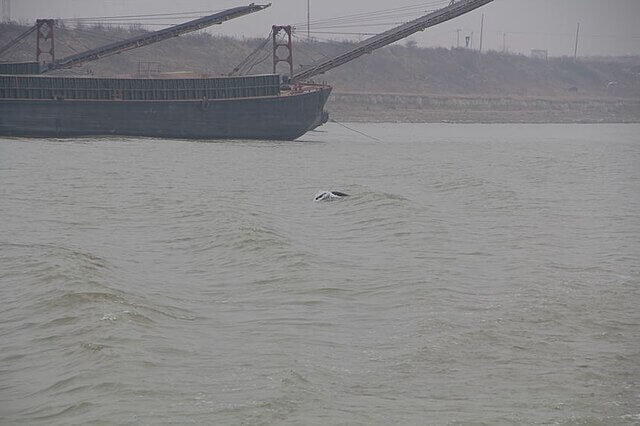
One standout example is the Yangtze finless porpoise, whose numbers have increased from around 400 to 600 individuals.
This progress offers hope following the tragic extinction of the baiji dolphin earlier this century—a stark reminder of the consequences of environmental neglect.
A Global Model for River Conservation
Experts are calling the Yangtze’s recovery one of the most significant freshwater conservation success stories in 20 years. The approach could serve as a model for other major rivers facing similar challenges, such as the Mekong.
The leader of the study, Fangyuan Xiong of the Chinese Academy of Sciences, was upbeat about the findings: “The results reported in this study … provide hope that in an era of global biodiversity decline, ambitious political decisions that support large-scale restoration efforts can help reverse the ecosystem damages of the past and lead to a brighter future.”
By combining science-led policy, economic support, and strong governance, China has demonstrated that large-scale environmental recovery is possible.
Despite the positive trends, the Yangtze ecosystem remains vulnerable. Continued effort is essential to sustain recovery:
- Illegal fishing still poses a threat, particularly in tributaries
- Water quality requires further improvement
- Migratory species need better access past hydropower dams
- Critically endangered species, such as the Chinese sturgeon, remain at risk
Without ongoing enforcement and conservation investment, progress could quickly be reversed.
A Turning Point for Environmental Action in China
The Yangtze River’s revival signals a broader shift in China’s environmental policies. Alongside recent data showing stabilising or falling carbon emissions across major sectors, this recovery suggests meaningful progress in tackling ecological challenges.
While still fragile, the Yangtze’s comeback demonstrates that coordinated, well-funded conservation strategies can reverse even severe environmental decline—and offers a powerful example for global river restoration efforts.
At Natural World Fund, we recognise that freshwater ecosystems like the Yangtze River are under immense pressure from human activity and environmental change. This recovery shows that with the right policies, investment, and community support, nature can rebound. By backing conservation initiatives, restoring critical habitats, and advocating for stronger environmental protections, we can help revive threatened rivers and protect the species and communities that depend on them.