

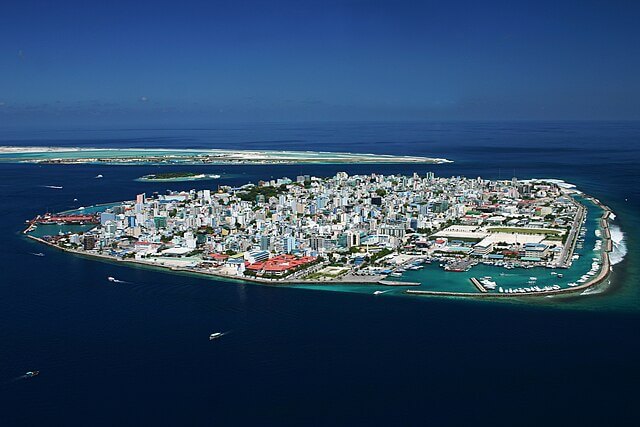
Global Sea Levels Higher Than Previously Estimated, New Research Reveals
New scientific research suggests that global sea levels have been significantly underestimated due to inaccuracies in traditional modelling methods. Updated findings indicate that ocean levels may be much higher than previously understood, raising urgent concerns about the impacts of climate change on coastal regions.
Why Previous Sea Level Models Were Inaccurate
A major issue identified in the research is the widespread reliance on indirect measurement techniques. Instead of using local, real-world sea level data, over 90% of studies analysed depended on land elevation measurements referenced to global geoid models.
Geoid models estimate sea levels based on the Earth’s gravity and rotation, but they do not always reflect actual coastal conditions. As a result, these models have led to consistent underestimations of true sea levels worldwide.
New Findings: Sea Levels Up to 150cm Higher in Some Regions
The study, published in Nature, analysed 385 peer-reviewed papers from 2009 to 2025. It found that:
- Global sea levels are, on average, 30cm higher than previously believed
- In parts of the Global South, including Southeast Asia and the Indo-Pacific, levels may be 100–150cm higher
- Some discrepancies between modelled and actual levels ranged as high as 550–760cm
Minderhoud said: “In reality, sea level is influenced by additional factors such as winds, ocean currents, seawater temperature and salinity.”
These findings highlight significant regional variation and suggest that some of the most vulnerable areas have been underestimated in risk assessments.
“If sea level is higher for your particular island or coastal city than was previously assumed, the impacts from sea level rise will happen sooner than projected before,” said Minderhoud.
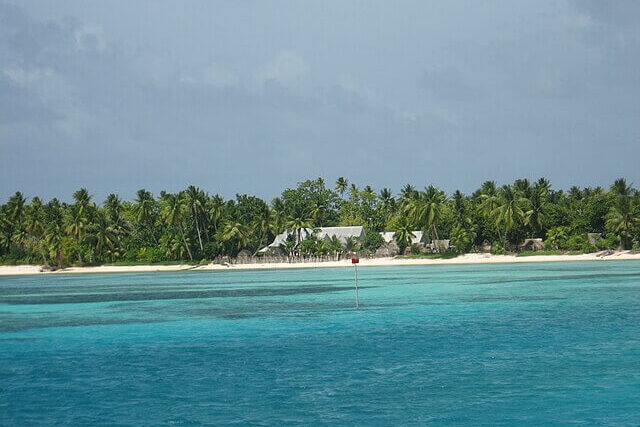
Implications for Coastal Communities and Climate Risk
Rising sea levels are one of the most pressing threats linked to global heating. The Intergovernmental Panel on Climate Change (IPCC) currently estimates sea levels could rise between 28cm and 100cm by 2100.
However, the new research indicates that baseline sea levels are already higher than assumed. This means the real-world impact of future sea level rise could be far more severe.
According to updated calculations:
- A 1 metre rise in sea levels could result in 37% more coastal land falling below sea level
- Up to 132 million people could be affected globally
A Critical “Blind Spot” in Climate Science
Researchers describe the issue as an “interdisciplinary blind spot,” warning that many potentially inaccurate studies have been cited in major climate reports, including those by the IPCC.
This raises concerns that current climate policies and coastal planning strategies may be based on flawed data, potentially underestimating the scale of future risks.
The Need for Improved Coastal Data and Policy Reform
The study provides updated, ready-to-use global coastal elevation datasets that incorporate direct sea level measurements. Researchers are calling for:
- A reassessment of existing coastal hazard studies
- Greater use of localised, real-world sea level data
- Improved accuracy in climate modelling and policy decisions
Ensuring reliable data is essential for protecting vulnerable coastal populations and developing effective climate adaptation strategies.
At Natural World Fund, we believe tackling climate change starts with protecting and restoring the natural systems that shield communities from its impacts. Rising sea levels highlight the urgent need for stronger coastal resilience, better data, and nature-based solutions. By supporting habitat restoration, sustainable land management, and long-term environmental stewardship, we can help safeguard vulnerable coastlines and build a more resilient future for both people and nature.
Image sources
- Kiribati(043): Wikipedia Commons
- Male-total (1): Wikipedia Commons