

England’s Marine Protected Areas Are Failing to Protect Marine Life
Almost 40% of England’s seas are designated as Marine Protected Areas (MPAs), created to safeguard rare habitats and vulnerable species.
According to the UK government, these zones exist to “to protect and recover rare, threatened and important habitats and species from damage caused by human activities.”
However, growing evidence suggests that many of these protected areas are failing to deliver meaningful protection.
“The government claims vast areas of UK waters are protected, but the reality is a national scandal,” said Chris Thorne, senior oceans campaigner at Greenpeace UK.
Industrial Fishing Continues Inside Protected Areas
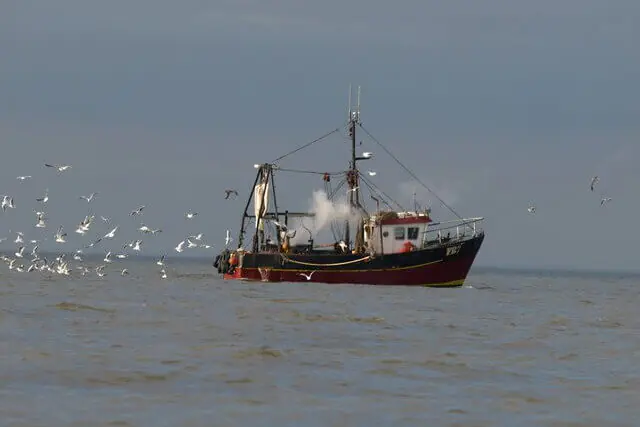
Between 2020 and 2024, industrial fishing vessels caught more than 1.3 million tonnes of fish within England’s MPAs, according to official data. Campaigners argue this undermines the very purpose of these zones, describing them as “little more than lines on a map.”
Large-scale trawlers, including those using destructive seabed-scouring methods, continue to operate freely in areas meant to conserve marine ecosystems.
“Protection means nothing if these hulking industrial trawlers are allowed to devastate crucially important areas. MPAs should be safe havens where our incredible marine life and ecosystems can recover and thrive. Instead, they remain protected only on paper and precious ocean life is being pushed to the brink” Thorne said.
Overfishing Threatens Key Fish Populations
Recent findings highlight the severe decline of several commercially important fish species. Stocks of:
- North Sea cod
- Celtic Sea cod
- Irish Sea whiting
- Irish Sea herring
- North Sea and eastern English Channel horse mackerel
have all fallen to critically low levels—yet many continue to be overfished.
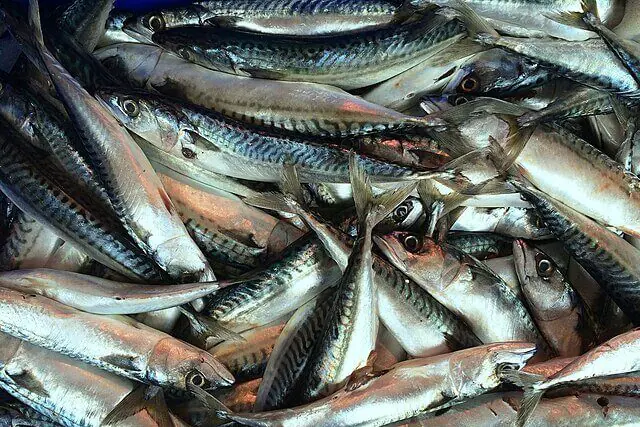
In response to these concerns, Waitrose recently suspended sales of mackerel following advice from the Marine Conservation Society, which warned the species is at risk of collapse.
Destructive Fishing Methods Still Widespread
Analysis by Greenpeace UK reveals the scale of industrial fishing within protected waters:
- Over 1 million tonnes of fish were caught by pelagic trawlers using enormous nets (up to 240m wide)
- An additional 250,000 tonnes were taken using bottom-towed gear
Bottom trawling is particularly damaging, dragging heavy nets across the seabed and destroying fragile marine ecosystems, including coral reefs and seabed habitats.
Weak Enforcement Undermines Marine Protection
Since the 1980s, 78 offshore MPAs have been established around the UK. In 2020, new legislation granted powers to restrict harmful fishing practices in these areas.
Yet progress has been slow. Six years later, key bylaws to ban bottom trawling are still under consultation, allowing industrial vessels to continue operating in some of the UK’s most sensitive marine environments.
The UK’s Department for Environment, Food and Rural Affairs (Defra) has faced questions over why large-scale fishing is still permitted in protected areas—and whether this undermines the purpose of MPAs altogether.
At the time of writing, no official response has been provided.
Why Stronger Marine Protection Matters
Without stricter enforcement and meaningful restrictions, Marine Protected Areas risk becoming ineffective. Protecting marine biodiversity is essential not only for ocean health but also for sustainable fisheries, climate resilience, and future food security.
For organisations like the Natural World Fund, this issue highlights the urgent need for stronger protections, clearer policies, and immediate action to restore the UK’s marine ecosystems.
At Natural World Fund, we see the failure of Marine Protected Areas as a direct threat to UK wildlife. Without stronger protections and an end to destructive fishing, vital marine species and habitats around our coasts will continue to decline.
If you care about restoring native wildlife in the UK, support the work of Natural World Fund today.
Image sources
- Trawler-_639053 (1): Wikipedia Commons
- Mackerel_(Scomber_scombrus) (1): Wikipedia Commons