

Record-Breaking Crane Breeding Success in Scotland
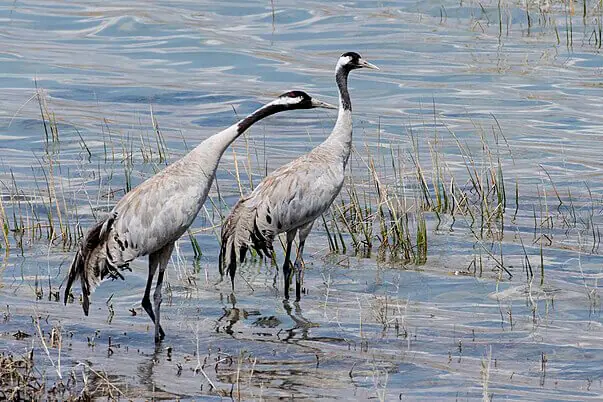
Cranes have experienced their most successful breeding season in Scotland since the 16th century, with a record number of breeding pairs recorded in 2025. According to the Royal Society for the Protection of Birds, a total of 10 pairs of cranes bred across the country, highlighting a major milestone for UK wildlife conservation.
The Common Crane disappeared from Scotland over 400 years ago due to habitat destruction and hunting. However, the species made a remarkable return when cranes were spotted again in Aberdeenshire in 2012.
This re-emergence marks one of the most inspiring wildlife recovery stories in the UK.
UK Crane Population Growth and Breeding Trends
Recent survey data shows that the 10 crane pairs successfully fledged nine chicks in 2025, compared to just four breeding pairs recorded in 2024.
Cranes first began recolonising the UK in 1979, when birds from mainland Europe were seen in Norfolk. Since then, their population has steadily increased, with an estimated 520 cranes now living across the UK.
Ron Macdonald, a RSPB Scotland volunteer who helped carry out the counts, said: “There’s something primeval in the way the crane looks, reminiscent of a pterodactyl that in the distant past probably flew over our ancient woodlands and raised peat bogs.
Why Cranes Are Thriving Again
The recovery of cranes is largely due to improved conservation efforts, particularly the restoration and protection of wetland habitats. These environments provide essential breeding and feeding grounds, helping crane populations to stabilise and grow.
Andrew Stanbury, a conservation scientist at the RSPB, said: “We’re so lucky to live in a time where these birds are once again part of our landscape”.
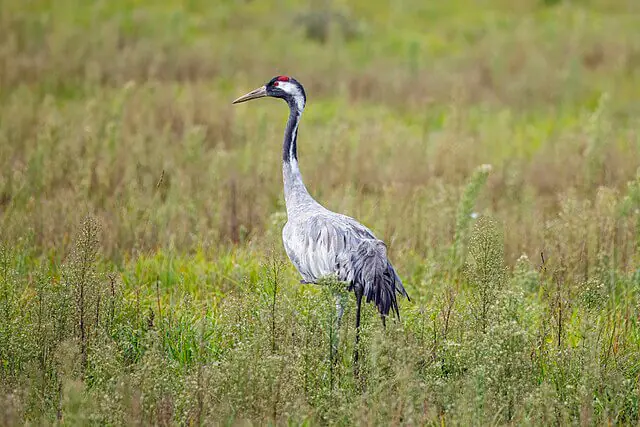
Cranes are among the tallest flying birds in the UK, standing at around 1.2 metres (4 feet) tall. They are well known for their elaborate courtship displays, which include bows, pirouettes and rhythmic movements.
Their distinctive “bugling” call can be heard from up to 3.5 miles (5.6 km) away. Despite their size and vocalisations, cranes are naturally shy and can be difficult to spot in the wild.
MacDonald said: “One of my first sightings of breeding cranes was seeing and hearing a lone crane flying towards an established pair, bugling as it did so.
“Local farmers tell us that they also bugle at night, a melancholy sound that carries some distance if the night is still.”
Conservation Challenges: Cranes Still at Risk
Although crane numbers are increasing, the species remains vulnerable in the UK. Ongoing threats such as habitat loss and environmental change mean that continued conservation work is essential.
Protecting wetlands and supporting biodiversity initiatives will be key to ensuring cranes remain part of the UK’s natural landscape for generations to come.
At Natural World Fund, we see the return of cranes as part of a wider effort to restore UK wildlife and rebuild vital wetland habitats. Species like the Common Crane depend on healthy, protected ecosystems to breed and thrive—and without continued conservation and habitat restoration, their recovery in the UK could be at risk.
If you care about restoring native wildlife in the UK, support the work of Natural World Fund today.
Image sources
- Common_crane_(Grus_grus)_Uckermark (1): Wikipedia Commons
- Grus_grus_-_Common_Crane_04 (1): Wikipedia Commons