

Breakthrough DNA Mapping Offers New Hope for Barbary Macaques
Researchers have announced a world-first scientific breakthrough after successfully mapping the full DNA of a Barbary macaque in Staffordshire—marking a major step forward in global wildlife conservation.
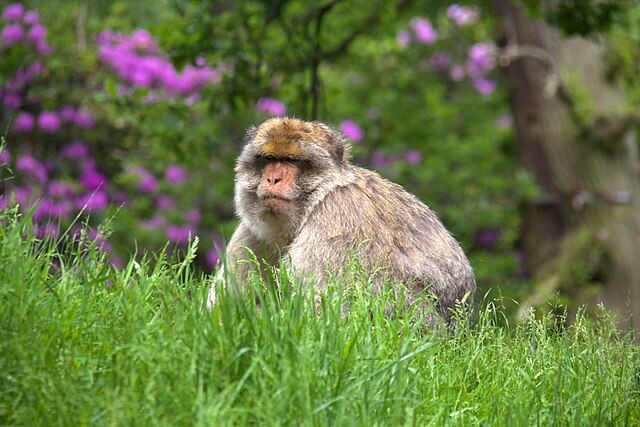
The pioneering genome sequencing was carried out on Crinkle, a Barbary macaque living at Trentham Monkey Forest in Stoke-on-Trent. This achievement represents the first complete genetic mapping of this endangered species, providing scientists with unprecedented insight into its biology.
A Powerful Tool in the Fight Against Extinction
Experts involved in the project describe the discovery as a “powerful new weapon” against extinction. Until now, the lack of a complete genetic reference has made it extremely difficult to:
- Track wild populations accurately
- Assess genetic diversity and health
- Identify the origins of trafficked animals
With this new genomic data, conservationists can now make more informed decisions to protect and restore Barbary macaque populations.
The “Master Key” to Understanding Wildlife Origins
The newly mapped genome is already proving invaluable. Using this “master key,” researchers have successfully traced Crinkle’s ancestry back to wild populations near Ifrane National Park and Khenifra National Park in Morocco—both critical habitats for the species.
This ability to pinpoint origins could play a vital role in combating illegal wildlife trade and improving reintroduction programmes.
“We’re incredibly proud that a Barbary macaque from Trentham Monkey Forest is at the heart of such a groundbreaking scientific achievement,” said Lovatt.
“Crinkle represents not just our forest, but a species facing real threats in the wild.”
Why Barbary Macaques Need Urgent Protection
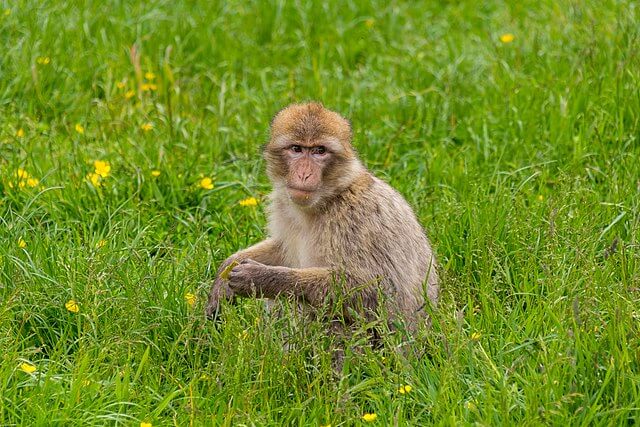
According to scientists, Barbary macaques were once widespread across the Mediterranean region. Today, however, they are confined to fragmented populations in North Africa and Gibraltar, making them increasingly vulnerable to extinction.
Dr Patrick Tkaczynski of Liverpool John Moores University, who contributed to the research, emphasised the urgency of conservation efforts as habitats shrink and populations become more isolated.
“If this kind of science can help identify where trafficked animals have been taken from, it becomes a powerful tool in the fight against wildlife crime,” Lovatt added.
“Ultimately, it gives us a better chance of protecting these incredible monkeys in the wild.”
A Turning Point for Conservation Science
This groundbreaking genetic achievement could transform conservation strategies worldwide, offering new ways to safeguard endangered species through advanced DNA analysis.
By unlocking the genetic blueprint of the Barbary macaque, scientists are better equipped than ever to protect its future—and potentially apply similar techniques to other at-risk species.
At Natural World Fund, breakthroughs like this highlight how science and conservation must work hand in hand to protect endangered species. By supporting cutting-edge research, tackling wildlife trafficking, and safeguarding critical habitats, we can help secure a future for species like the Barbary macaque. With the right action, we can turn knowledge into impact—and ensure wildlife not only survives, but thrives.
If you care about restoring native wildlife in the UK, support the work of Natural World Fund today.
Image sources
- Trentham_Monkey_Forest_4. Photograph by Mike Peel (www.mikepeel.net). Cropped and resized from original.: Wikipedia Commons
- Trentham Monkey Forest 7. Photograph by Mike Peel (www.mikepeel.net). Cropped and resized from original.: Wikipedia Commons