

Farmland Birds in Crisis: UK Countryside Species Face 90% Decline
Farmland birds that once defined the rural landscapes of United Kingdom are now at serious risk of disappearing altogether, according to conservation experts.
Wildlife organisations warn that urgent action is needed to prevent further biodiversity loss across Britain’s countryside.
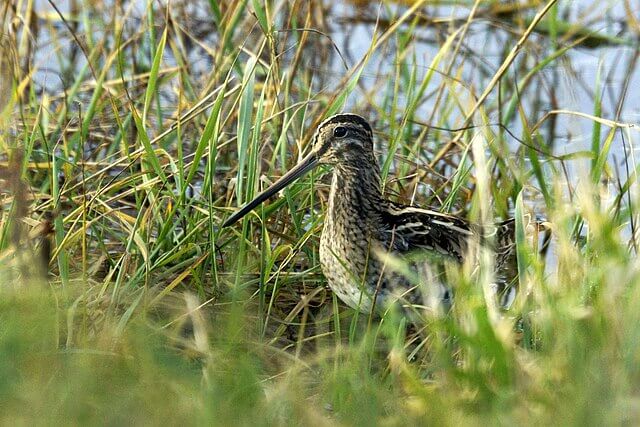
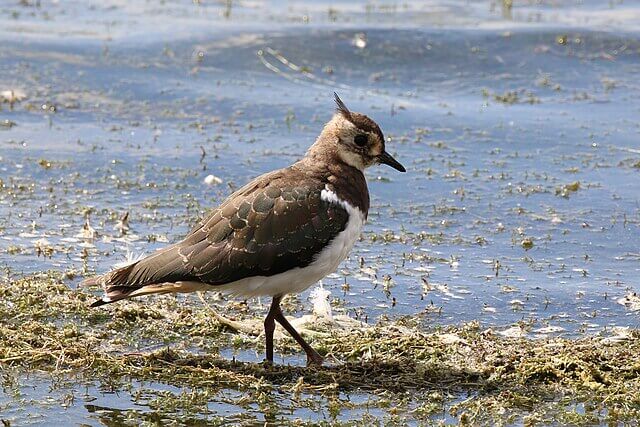
Conservationists at Wiltshire Wildlife Trust report that iconic farmland birds—including Northern lapwing, Common snipe, and Grey partridge—have suffered dramatic population declines of up to 90% in some regions.
These losses are largely driven by habitat destruction, intensive farming practices, and the degradation of traditional nesting and feeding grounds.
“Nature Falling Silent”: Conservation Experts Issue Urgent Warning
Leo Henley-Lock, Director of Conservation and Land Management, described the situation as critical:
“We are witnessing nature falling silent, which should be treated as an emergency and urgent action taken to halt the decline.”
“The song of the skylark and the flash of a lapwing’s wing should be synonymous with spring in Wiltshire, not a memory.
“Farmland birds are a vital part of our natural heritage, yet many are now in serious decline,” he added.
This warning highlights the growing concern that the sounds and sights of Britain’s countryside could soon vanish without immediate intervention.
“The good news is that we know what works – by restoring habitats and working in partnership with farmers and landowners, we can give these birds a fighting chance and bring them back into our landscape.
“It’s a chance to make a real difference for nature at a critical moment,” Henley-Lock added.
The Impact of Farming Policy Changes on Wildlife
Previously, farmers in the UK received government support to adopt nature-friendly land management practices. These initiatives helped protect vital habitats for farmland birds and other wildlife.
However, the closure of the Sustainable Farming Incentive (SFI) last year has raised concerns among conservation groups about the future of biodiversity on farmland.
The Department for Environment, Food and Rural Affairs (Defra) has stated that a replacement scheme is in development. Officials say the new programme will be “simpler” and “fairer,” with over 44,000 multi-year SFI agreements still active and more than half of UK farmers currently enrolled in environmental schemes.
Why Protecting Farmland Birds Matters
Farmland birds are a key indicator of ecosystem health. Their decline signals wider environmental issues that can affect soil quality, pollination, and overall biodiversity.
Protecting these species is essential not only for wildlife but for the long-term sustainability of farming and rural communities.
At Natural World Fund, we see the decline of farmland birds as a warning that our countryside is under pressure. By supporting nature-friendly farming and restoring vital habitats, we can help bring species like lapwings, snipes, and grey partridges back. With the right action, we can ensure a richer, more biodiverse future for the UK’s landscapes.
If you care about restoring native wildlife in the UK, support the work of Natural World Fund today.
Image sources
- Northern lapwing (Vanellus vanellus) Standlake by Charles J. Sharp. Cropped and resized from original: Wikipedia Commons
- Common Snipe (Gallinago gallinago), Haroldswick – geograph.org.uk – 7644674 by Mike Pennington. Cropped and resized from original: Wikipedia Commons