

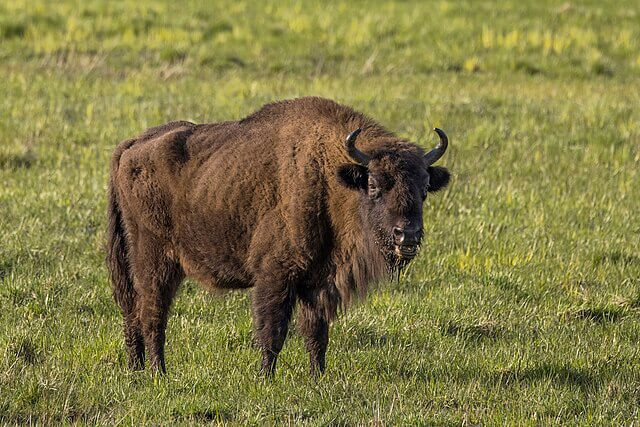
European Bison Transform Blean Woods: A Groundbreaking UK Rewilding Success
A herd of European bison is already having a significant ecological impact in UK woodlands, just a few years after their historic reintroduction. The pioneering project at Blean Woods in Kent is demonstrating how rewilding with keystone species can restore habitats, boost biodiversity, and engage communities with nature.
The introduction of European bison at Blean Woods marks a UK-first conservation initiative, led by Kent Wildlife Trust and Wildwood Kent. The project aims to naturally manage woodland ecosystems, helping to create more resilient landscapes that can adapt to climate change while enhancing carbon storage.
With the addition of newly built “bison bridges,” the herd will soon roam across 200 hectares (500 acres) of woodland, significantly expanding their environmental impact.
How Bison Restore Woodland Ecosystems
European bison play a crucial role as ecosystem engineers, using their natural behaviours to reshape the landscape. Their activities include:
- Grazing on vegetation
- Bark stripping and tree felling
- Creating dust baths
These actions help to open up the woodland canopy, encourage natural regeneration, and create diverse habitats that support a wide range of wildlife species.
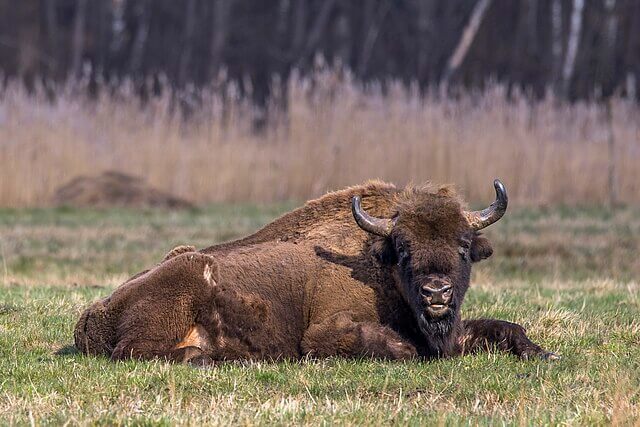
Early Signs of Biodiversity Gains in Blean Woods
Although long-term monitoring is ongoing, conservationists are already observing positive changes in woodland structure and biodiversity. According to bison and conservation grazing ranger Hannah Mackins, visible differences are emerging in areas where the herd has been active.
“Walking through there, we have a lot more light on the woodland floor, we have species growing through that wouldn’t have had before, because it was so dense with trees, bracken and brambles,” she said.
“They are having a great impact already.”
Ongoing wildlife monitoring and research will continue to assess the full ecological impact of the project over time.
Inspiring People Through Rewilding
Beyond ecological benefits, the project has also captured public imagination and raised awareness about nature restoration in the UK.
Alison Ruyter, Wilder Grazing Lead at Kent Wildlife Trust, highlighted the importance of storytelling and public engagement in the project’s success, noting that it has helped people connect with the vision of more wildlife-rich landscapes.
Alison Ruyter, wilder grazing lead at Kent Wildlife Trust, said: “If we hadn’t had that big budget to bring people along, to tell that story, do it in this place, it wouldn’t have had the impact it has had,” adding the project had fired people’s imaginations.
“We are looking at how we can use these elements of nature we’ve lost and bring back something that’s similar, to do the jobs that they used to do to create this ecosystem.”
Rewilding for the Future, Not the Past
Importantly, this initiative is not about recreating the past, but about building future-ready ecosystems. By restoring natural processes and introducing species like European bison, conservationists aim to create dynamic, self-sustaining habitats that support biodiversity and climate resilience for generations to come.
At Natural World Fund, we see projects like the Blean Woods bison reintroduction as part of a wider mission to restore the UK’s natural landscapes and revive thriving, resilient ecosystems. Keystone species such as European bison play a vital role in shaping habitats, creating the conditions needed for wildlife to flourish and ecosystems to recover naturally. By supporting innovative rewilding initiatives, restoring natural processes, and engaging communities with nature, we can help build a richer, more biodiverse future—where wildlife and people thrive together in a changing climate.
If you care about restoring native wildlife in the UK, support the work of Natural World Fund today.
Image sources
- European_bison_(Bison_bonasus)_male_Białowieza_2 by Charles J. Sharp. Cropped and resized from original: Wikipedia Commons
- European_bison_(Bison_bonasus)_female_Białowieza by Charles J. Sharp. Cropped and resized from original: Wikipedia Commons