
Beavers Return to Bedfordshire After 400 Years
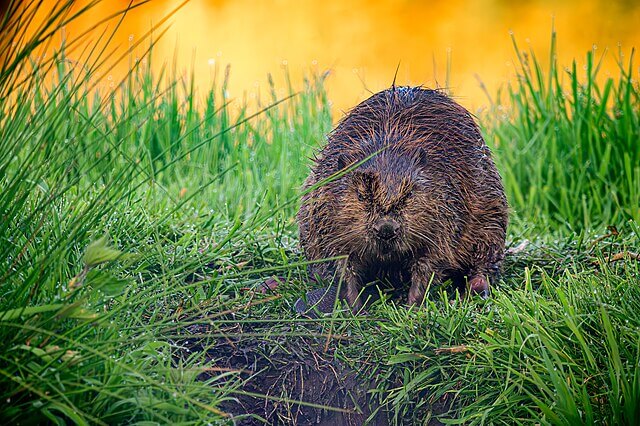
A family of Eurasian beavers has been successfully reintroduced to the Bedfordshire countryside for the first time in over four centuries. The release marks a major milestone in UK wildlife conservation and ecological restoration efforts.
The beaver family—comprising a male, a female, and two kits—was introduced to the Southill Estate near Biggleswade at the end of February, following two years of detailed planning and preparation.
Charles Whitbread, the estate’s owner, said it was a “long and complex journey” and seeing the beavers in their new habitat was “truly wonderful”.
A Landmark Wildlife Restoration Project
The reintroduction was led by Restore, a company specialising in habitat recovery and biodiversity projects. The initiative highlights the growing importance of rewilding in the UK.
Eurasian beavers are widely recognised as “ecosystem engineers” due to their natural ability to reshape landscapes. By building dams, they help restore wetlands, improve biodiversity, and increase resilience to drought—key priorities in modern conservation strategies.
The project required extensive groundwork, including habitat creation and regulatory approvals. A licence for the release was granted by Natural England, secured in partnership with the Beaver Trust.
At Southill Estate, a purpose-built enclosure was developed to support the beavers’ reintroduction. This included:
- Constructing a secure fenced habitat
- Creating a new pond
- Planting willow for food and dam-building materials
- Restoring natural water flow by “re-wiggling” a nearby ditch to enhance habitat complexity
Whitbread said: “This has been a long and complex journey, with challenges we didn’t always know we would overcome and there were moments when we genuinely wondered whether this day would ever come.
“To finally see the beavers released and swimming in the landscape was truly wonderful, and something I will not forget.”
The Beaver Release Process
The release took place in two carefully managed stages to ensure the animals’ wellbeing and adaptation:
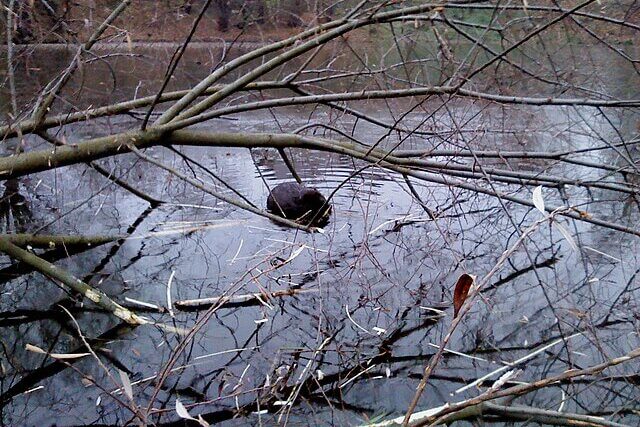
- Stage one: An adult male and two kits were translocated from Scotland
- Stage two: An adult female, rehabilitated over 14 months at Wildwood Trust, was introduced shortly after
This phased approach supports social bonding and increases the likelihood of long-term success in the wild.
The beaver family will be closely monitored under the conditions of their licence to ensure their health and ecological impact are positive.
Estate owner Charles Whitbread described the project as a “long and complex journey,” adding that seeing the beavers thriving in their new environment is “truly wonderful.”
Why Beaver Reintroduction Matters
Beaver reintroduction projects like this play a vital role in:
- Restoring natural ecosystems
- Increasing biodiversity
- Improving water management and flood mitigation
- Building climate resilience in rural landscapes
The return of beavers to Bedfordshire is a powerful example of how nature-based solutions can help tackle environmental challenges across the UK.
At Natural World Fund, we see the return of beavers as a powerful sign that nature can recover when given the right conditions. By supporting responsible rewilding, restoring natural waterways, and working alongside landowners and conservation partners, we can help species like the Eurasian beaver thrive once again. With thoughtful planning and collective action, we can build healthier, more resilient ecosystems for the future of the UK’s wildlife.
If you care about restoring native wildlife in the UK, support the work of Natural World Fund today.
Image sources
- Bóbr (Castor fiber) w stawie bieńczyckim – panoramio by R.Mendakiewicz. Resized from original: Wikipedia Commons
- Biber am Fahrländer See by Stephan Sprinz. Resized from original: Wikipedia Commons