

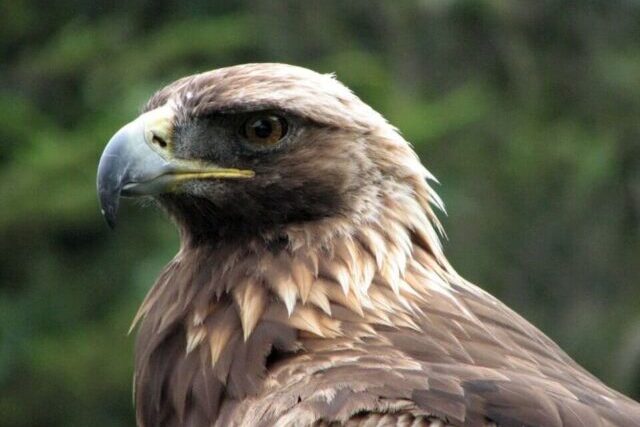
Golden Eagles Set to Return to England’s Skies
Golden eagles could soon soar over England once more, as the UK government commits £1 million to support their reintroduction—potentially as early as next year. This landmark conservation effort marks a major step toward restoring one of Britain’s most iconic birds of prey to its former range.
Once widespread across England and Wales, golden eagles were driven to extinction in the 19th century. Intensive hunting, largely due to fears over livestock predation and impacts on game species, led to the loss of this apex predator from English landscapes.
A New Reintroduction Plan for Northumberland
Following extensive research by Forestry England, Northumberland has emerged as the leading candidate for golden eagle reintroduction. The project builds on the success of earlier initiatives along the Scottish border, where relocated birds have begun to establish a foothold.
“Aside from being Britain’s second largest bird of prey with an impressive two-metre wingspan, the golden eagle is a keystone species that can play a vital role in nature recovery more widely,” said Environment Secretary Emma Reynolds.
A feasibility study assessed 28 potential locations, identifying eight suitable areas based on habitat, climate, and low human disturbance. These include:
- Northumberland (preferred site)
- North Pennines
- Lake District
- Yorkshire Dales
- Forest of Bowland
- South Pennines
- North York Moors
- South West England
Without intervention, experts estimate it could take up to 20 years for golden eagles to naturally expand into England.
The Role of Golden Eagles in Ecosystem Recovery
As apex predators, golden eagles play a vital role in maintaining balanced ecosystems. They help regulate populations of “mesopredators” such as foxes and badgers, contributing to healthier biodiversity overall.
This reintroduction aligns with wider UK conservation goals. The country is currently one of the most nature-depleted in the world, with research indicating that one in six species faces extinction. Previous successful reintroductions—including pine martens, beavers, and rare dragonflies—highlight the potential for reversing biodiversity loss.
Ed Parr Ferris, species recovery manager at Forestry England, said: “Golden eagles are impressive and beautiful birds, and one of our only remaining apex predators in Britain. Any predator applies a pressure on a system to balance all the different other animals that are living in that place … allow[ing] space for rarer animals to survive and to thrive.”
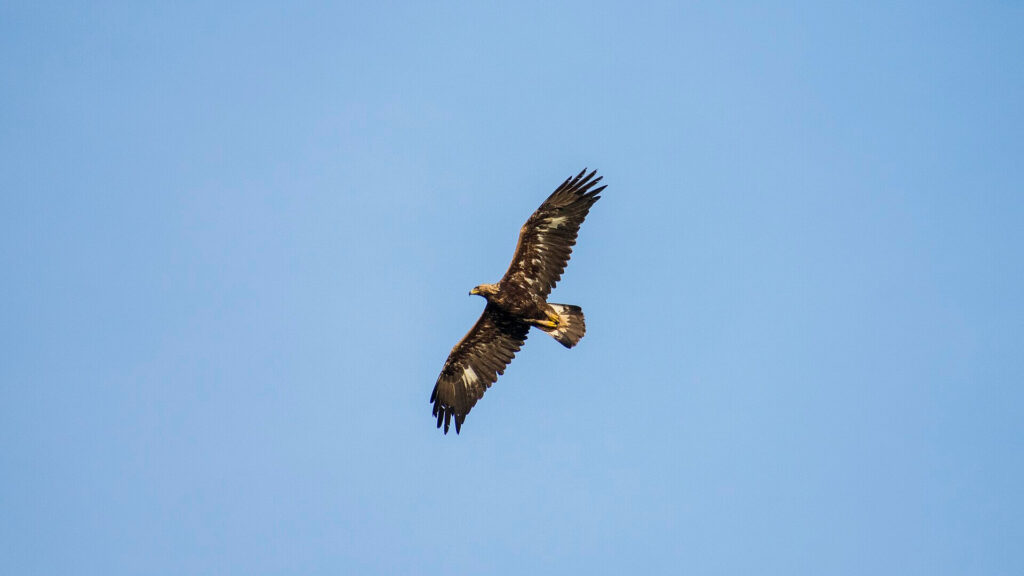
Addressing Concerns from Farmers and Landowners
Despite strong public support, the reintroduction of golden eagles has raised concerns within farming communities—particularly around livestock safety.
Following the re-introduction of the sea eagle, the only other UK apex predator, Scottish farmers reported having to abandon their hill farms because the birds decimated their lamb populations. Alos, the National Farming Union Cymru has previously raised similar concerns of the risks from golden eagles.
However, current research suggests that golden eagles would account for only a small percentage of lamb losses (estimated between 0.15% and 3%). Conservation leaders emphasise that these birds behave differently from other large predators and that lessons from Scotland show coexistence is achievable.
Ed Parr Ferris said: “We do recognise they can take small lambs very occasionally as a part of their diet, but that’s rare, and it’s far more likely that they’ll be taking carrion.”
Engagement with farmers and landowners will be central to the project’s success. A public consultation process will ensure that local voices are heard and that mitigation strategies are developed collaboratively.
Dr Cat Barlow, CEO of RUN, said: “It is really difficult to get people excited about peat restoration. But something like a golden eagle can get new audiences excited, and get them aware of how the whole ecosystem can work together.”
Lessons from Scotland’s Success
Over the past eight years, 28 golden eagle chicks have been successfully relocated from the Scottish Highlands to the southern uplands. This initiative, led by Restoring Upland Nature (RUN), has demonstrated that reintroduction can work with the right planning and community involvement.
Innovative approaches—such as employing a retired gamekeeper and working with shooting estates to build artificial nests—have helped shift perceptions and build local support.
However, Prof Davy McCracken, professor of agriculture ecology at Scotland’s Rural College said 18 months was unlikely to be long enough for a consultation.
“You’ve got to remember that land managers and farmers who may be most concerned about being impacted, have very intensive periods of seasonal activity – times when they can’t necessarily engage effectively in any consultation.”
What Happens Next?
The £1 million programme, led by RUN, will roll out over three years. Initial efforts will focus on consultation and planning, with the possibility of introducing chicks as early as next summer.
National Farmers Union North Regional Board Chair and a farmer himself William Maughan said “thorough, meaningful and clear” engagement with farmers was crucial for the project’s success.
“Farmers cannot be expected to carry the cost, risk, and responsibility of poorly implemented reintroduction projects,” he said.
To protect the birds, exact release locations in Northumberland have not been disclosed. This precaution follows incidents such as the shooting of a reintroduced eagle in the Scottish Borders.
“We have a tendency to look at things in isolation,” Prof McCracken said. “One species on its own might not have a major impact. It’s just being aware there may be cumulative effects […]having two or three additional species reintroduced.”
A Symbol of Hope for Nature Recovery in England
The return of golden eagles represents more than just the revival of a species—it signals a broader commitment to restoring England’s natural heritage. While challenges remain, this initiative offers a powerful opportunity to balance conservation with community needs and create a more resilient ecosystem for future generations.
Support UK Rewilding Efforts
At Natural World Fund, we champion science-led conservation that restores species while supporting people and landscapes. The proposed return of golden eagles highlights the importance of evidence-based reintroduction, careful habitat assessment, and meaningful engagement with local communities. By balancing ecological benefits with practical concerns, we can help ensure that iconic species like the golden eagle thrive once again—strengthening biodiversity and creating healthier, more resilient ecosystems for the future.
If you care about restoring native wildlife in the UK, support the work of Natural World Fund today.
Image sources
- Golden Eagle soaring overhead by The Modern Polymath. Cropped and resized from original.: Wikipedia Commons
- Golden Eagle (Aquila chrysaetos) head by Just Chaos (Jean). Cropped and resized from original.: Wikipedia Commons