
Why You Should Stop Feeding Garden Birds in Summer (UK Guide)
Putting up bird feeders in your garden may feel like a kind way to support wildlife—but new guidance suggests it could actually put certain bird species at serious risk.
According to the Royal Society for the Protection of Birds (RSPB), feeding birds during warmer months can contribute to the spread of deadly diseases.
Seasonal Bird Feeding Advice: What the RSPB Recommends
Millions of UK households regularly feed garden birds to attract wildlife. However, the RSPB now advises taking a break from feeding between 1 May and 31 October.
This is because warmer weather increases the risk of bacteria and parasites thriving on feeders, turning them into dangerous hotspots for disease transmission.
Their key message is simple: “Feed seasonally, feed safely.”
Bird Disease Alert: The Impact of Trichomonosis
One of the biggest threats linked to bird feeders is a disease called Trichomonosis. This parasite affects birds’ mouths, throats, and digestive systems, making it difficult for them to eat, drink, or breathe.
The disease spreads easily:
- Through saliva left on feeders
- Via droppings contaminating food
- From adults to chicks during feeding
Decline of Greenfinches and Other Garden Birds
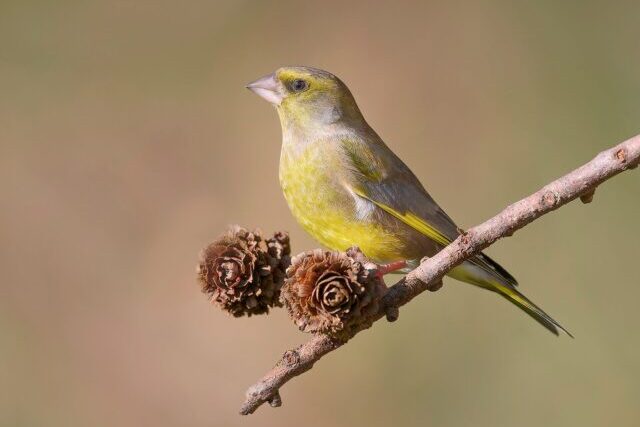
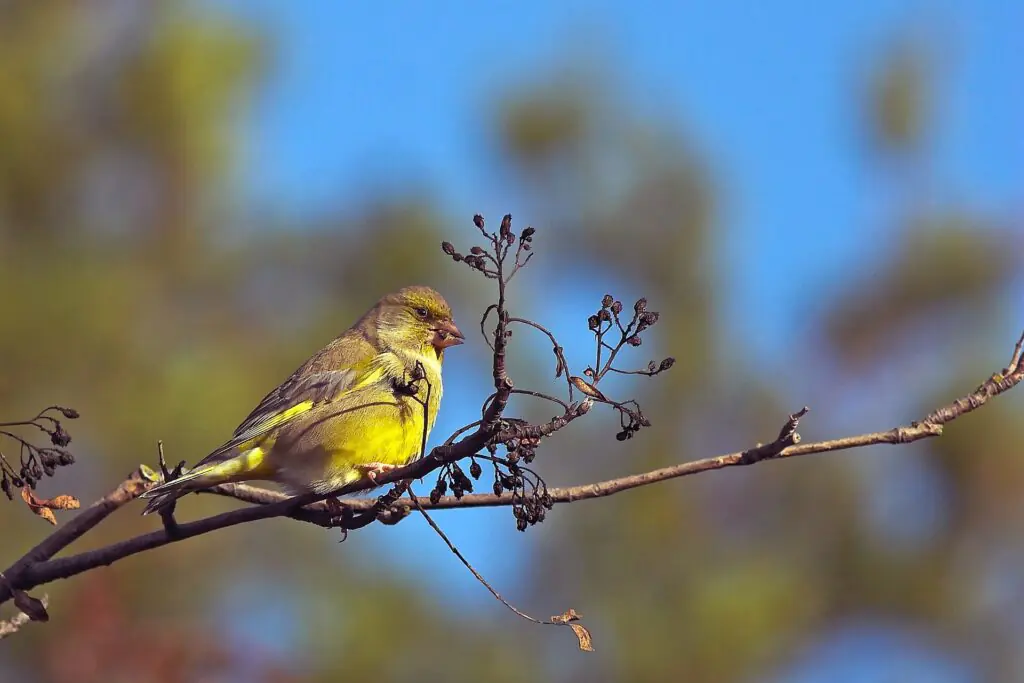
The effects of disease transmission are already visible. Species such as the Greenfinch and Chaffinch have seen sharp population declines.
- Greenfinch numbers have fallen by around two million in the UK
- They are now officially on the UK red list of endangered birds
- In the RSPB’s long-running Big Garden Birdwatch, greenfinches dropped from 7th place in 1979 to 18th in 2025
The Hidden Risks of Bird Feeders in Your Garden
With over 16 million UK households feeding birds—and roughly one feeder for every nine birds—the scale of potential disease spread is significant.
A single infected bird can contaminate a feeder, turning it into a transmission hub for other birds visiting the same spot.
How to Feed Birds Safely (If You Continue)
If you choose to feed birds, follow these RSPB safety tips:
- Offer small quantities (enough for 1–2 days only)
- Stick to foods like mealworms, fat balls, or suet
- Clean feeders at least once a week
- Move feeders regularly to prevent waste build-up
- Provide fresh water daily using clean containers
- Clean bird baths weekly
Why Bird Tables Are No Longer Recommended
The RSPB has also advised against using flat feeding surfaces like traditional bird tables. These allow food waste and droppings to accumulate, increasing infection risk.
As a result, the organisation has phased out the sale of these products.
Bird feeding is a major industry:
- UK households spend around £380 million annually on bird food
- Over 150,000 tonnes of food is used each year
- This amount could sustain three times the breeding populations of common garden birds
Despite this, experts stress that natural food sources are usually sufficient during warmer months.
Balancing Bird Welfare and Human Enjoyment
Feeding birds can boost wellbeing and help people feel more connected to nature. Many enjoy seeing species like sparrows visiting their gardens daily.
Helen Rowe, from the Isle of Dogs in London, says a flock of sparrows often fly to the seeds and fat balls she leaves outside her home.
“It’s really nice to see them from the window – they look very chipper out there,” she says.
Despite this, she says she will stop in the warmer months: “I want to support the birds – I don’t want to do anything that’s going to spread disease.”
The RSPB emphasises that protecting bird health must come first—even if it means changing long-standing habits.
A Necessary Change to Protect UK Wildlife
The updated guidance was developed with scientific input from organisations including the British Trust for Ornithology and the Institute of Zoology.
While the change may be unpopular, the RSPB says it is essential:
“We cannot continue as usual.”
Key Takeaway: Feed Less, Help More
Taking a seasonal approach to bird feeding can play a crucial role in protecting vulnerable species. By reducing feeding during high-risk months and maintaining strict hygiene, you can still support garden birds—without putting them in harm’s way.
Support UK Rewilding Efforts
At Natural World Fund, we support science-led approaches that protect wildlife and ecosystems. Guidance on bird feeding shows that even well-meaning actions can harm nature if done incorrectly. By feeding seasonally and prioritising hygiene, we can help prevent disease and protect vulnerable species—ensuring healthier bird populations for the future.
If you care about restoring native wildlife in the UK, support the work of Natural World Fund today.
Image sources
- CarduelisChlorisBerry by Thermos. Resized from original: Wikipedia Commons
- Greenfinch – Chloris chloris – Male 1 by Caroline Legg. Cropped and resized from original.: Wikipedia Commons