

Common Crane Comeback: How UK Wetlands Are Supporting a Record Breeding Year
A Suffolk nature reserve is playing a key role in the recovery of one of Britain’s most iconic bird species.
At RSPB Lakenheath Fen, conservation efforts are helping boost populations of the common crane during a record-breaking breeding year across the UK.
From Extinction to Recovery: The Return of the Common Crane
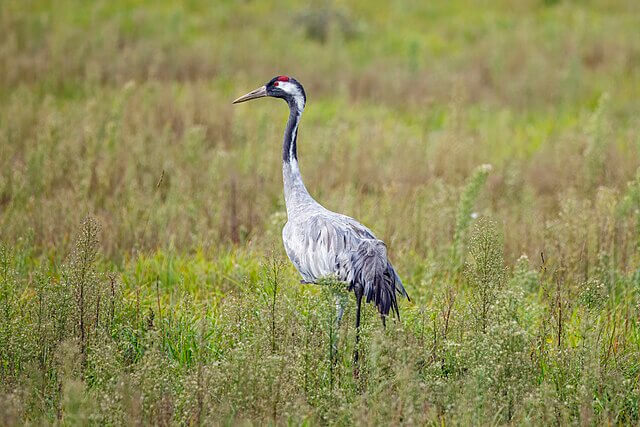
The common crane, the UK’s tallest bird, disappeared in the 1600s due to overhunting and widespread wetland loss. Its gradual return began when small numbers migrated naturally from mainland Europe to the Norfolk Fens.
Today, conservation efforts led by organisations such as the Royal Society for the Protection of Birds are helping rebuild the population. In 2025, a record 37 chicks were born across the UK, contributing to a total population of around 250 birds.
Why Lakenheath Fen Is Critical for Crane Conservation
Since 2007, RSPB Lakenheath Fen has provided a safe and thriving habitat for cranes, with three breeding pairs now established. The reserve’s restored reedbeds and wetlands offer ideal nesting conditions, away from human disturbance.
Key conservation actions include:
- Creating and maintaining wetland habitats
- Managing reedbeds to support nesting
- Introducing open “runways” to help cranes safely take flight
These measures have helped raise 26 chicks at the site since cranes first settled there.
Record-Breaking Breeding Year for UK Cranes
According to the Royal Society for the Protection of Birds, 2025 has been a milestone year, with 87 breeding pairs recorded nationwide.
While this marks significant progress, conservationists stress that recovery remains fragile. Cranes are long-lived, slow-breeding birds, meaning population growth takes time and sustained protection.
Rogers said he believed there was room for additional pairs at Lakenheath, but that the birds can be territorial.
“We might be able to squeeze in additional birds, but it’s a question of how aggressive a new pair is going to be and how tolerant the existing birds are going to be to the new pair,” he said.
“We might be able to get four pairs; we keep our fingers crossed.
“They only lay two eggs so they can only rear a maximum of two chicks a year.
“Then it’s probably three to five years before the young cranes pair off and settle down.
“It usually takes them a couple years to learn to be good parents, so it’s a slow process building up a crane population.”
Ongoing Threats: Climate Change and Habitat Loss
Despite encouraging numbers, common cranes remain vulnerable. Climate change is altering wetland ecosystems, affecting water levels and food availability.
Healthy wetlands are essential for:
- Nesting and breeding
- Feeding and migration stopovers
- Protection from predators and human activity
Without continued habitat restoration, these gains could be reversed.
The Importance of Wetland Restoration in the UK
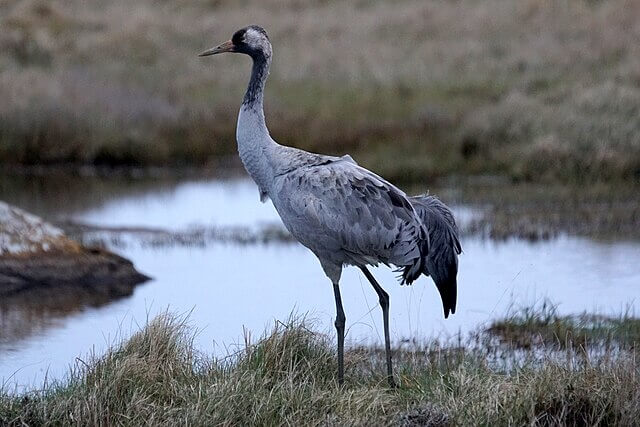
Wetlands like RSPB Lakenheath Fen demonstrate how targeted conservation can bring species back from the brink. These ecosystems not only support birds but also improve biodiversity, store carbon, and reduce flood risk.
The return of the common crane highlights the wider benefits of restoring natural habitats across the UK.
Haydn Fox, assistant warden at RSPB Lakenheath Fen, explained the pairs mate for life and are extremely loyal to each other.
“We know they’re nesting when we start seeing single cranes out in flight,” he said.
“They’re just doing a change over on the eggs, so the other will go and feed, come back and relieve their partner of the duty.”
Fox said it had been hard not to get attached to the pairs at the site, near Lakenheath railway station and just off the River Little Ouse, which forms the border with Norfolk.
“They’re such majestic birds when they’re in flight, they’ve got their own personalities as well,” he said.
“We know the pairs really well here; you shouldn’t humanise them, but naturally we do… it’s lovely to see them all the time.”
A Conservation Success Story Still in Progress
Visitors and birdwatchers continue to celebrate the crane’s return, with many describing it as one of the UK’s greatest wildlife recovery stories.
However, experts emphasise that ongoing conservation, habitat protection, and climate action are essential to secure the future of this remarkable species.
Kevin Middleton is a bird watcher who visits RSPB Lakenheath Fen.
He said he had seen a few of the cranes at the site over the years which “always brightens up your day”.
“They are so big,” he said.
“When you see something that big it’s incredible and it really does make you [think twice] about something so big and heavy going through the sky.”
He said the record numbers of chicks was a “great success story”.
“If you’d have told me when I was seven or eight and first getting into bird watching that I’d be seeing cranes in my home county, I’d have laughed,” he continued.
“But here they are. You do see them and you do hear them as well.
“It is a success story and perhaps one of the few that’s out there at the moment.”
Protecting Nature for Future Generations
The recovery of the common crane shows what is possible when conservation efforts are sustained over time. By protecting wetlands and supporting biodiversity, we can help ensure that species once lost to history continue to thrive in the wild.
Support UK Rewilding Efforts
At Natural World Fund, we support solutions that protect both people and the natural environment. The recovery of the common crane in the UK highlights a vital truth: when we restore and protect natural habitats, wildlife can recover—even after centuries of loss. By investing in wetland conservation, biodiversity protection, and climate resilience, we can help safeguard species and rebuild thriving ecosystems for future generations.
If you care about restoring native wildlife in the UK, support the work of Natural World Fund today.
Image sources
- Common Crane (Grus grus), Haroldswick by Mike Pennington. Resized from the original.: Wikimedia Commons
- Common crane (Grus grus), Naturpark Uckermärkische, Germany by Charles J Sharp. Resized from the original.: Wikimedia Commons