
Sand Dredging in Lagos: Environmental Impact on Coastal Communities
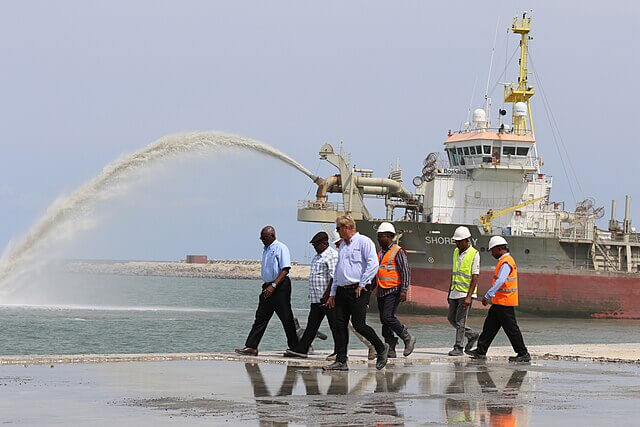
Before sunrise in Lagos, the hum of traffic and generators is matched by another sound—industrial dredging machines pulling sand from the lagoon floor.
This sand fuels rapid urban development, from high-rise buildings to expanding infrastructure. However, behind this growth lies a growing environmental crisis affecting marine ecosystems and local livelihoods.
What Is Sand Dredging and Why Is It Increasing?
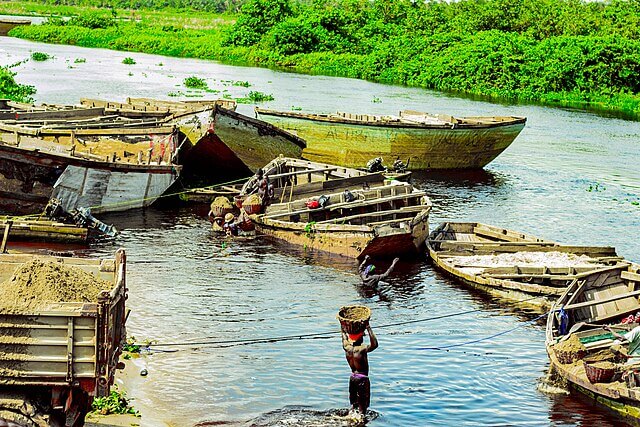
Sand dredging is the process of extracting sand from riverbeds, lagoons, and coastal areas, primarily for use in construction. In Lagos, demand for “sharp sand” has surged alongside population growth and urban expansion.
Although dredging is regulated by government authorities, enforcement challenges mean that illegal and unregulated sand mining continues to rise, putting additional pressure on fragile aquatic environments.
Environmental Damage: Lagoon Ecosystems Under Threat
Research from the Nigerian Institute for Oceanography and Marine Research shows that parts of Lagos Lagoon have been eroded by nearly six metres due to intensive dredging. This includes key waterways between Banana Island and Third Mainland Bridge.
The environmental consequences are severe:
- Increased water turbidity, reducing sunlight penetration
- Destruction of fish breeding grounds
- Disruption of sediment balance and coastal stability
- Loss of biodiversity in marine habitats
These impacts extend far beyond dredging sites, threatening local fisheries and entire ecosystems.
“When you dredge sand at that scale without a proper assessment of its environmental impacts, it destroys or wipes out certain species, which harms fisheries and, ultimately, everyone who depends on them,” says Dr Nnimmo Bassey, director of the ecological thinktank, Health of Mother Earth Foundation (Homef).
Impact on Coastal Communities and Livelihoods
Communities such as Epe, Oto-Awori, Makoko, and Era Town are experiencing the direct effects of environmental degradation.
“We used to cast our nets at 7pm and return before midday the next day with enough tilapia to earn at least 30,000 naira (£16),” says Fasasi Adekunle, who has been fishing there for more than three decades. “Now we go farther, spend more on fuel, and sometimes return almost empty handed.”
For fishers, the lagoon is no longer reliable. Declining fish populations, unpredictable waters, and damaged nets are now common challenges. Fishmongers report shrinking incomes as catches drop and prices fluctuate, placing additional strain on already vulnerable households.
Ajoke Orebiyi, a 42-year-old fishmonger, negotiates for a small quantity of tilapia on the boat of a fisherman who has returned from sea. A decade ago, she says, she would have needed three boatloads to meet demand.
“Before, fishers would return before noon with full nets,” she says. “Now they travel much farther, and spend even more on fuel, only to return with almost nothing.” Her income has fallen by nearly half in five years.
Seasonal flooding is also worsening, with homes gradually being lost to rising water levels and shoreline erosion.
“As Lagos rises, our land washes away,” says Ogbemi Okuku, 20, who lives in Era Town, a community in Oto-Awori located off the Lagos-Badagry Expressway. “They build estates with sand dredged from our waters. But who is building for us?”
Climate Change and Marine Biodiversity Loss
While climate change contributes to shifting fish populations, local experts highlight dredging as a major driver of ecological disruption.
“When the dredgers operate, the water turns cloudy,” says Jeremiah, a 77-year-old fisher in Oto-Awori. “The fish move away, and sometimes we find them floating dead on the surface.”
Changes in water depth, increased murkiness, and altered currents make survival difficult for aquatic species.
“What we know is this: the fish are disappearing,” Adekunle says. “And our children still need to eat.”
According to the Nigerian Conservation Foundation, unregulated dredging threatens critical habitats, including sea turtle nesting areas and migratory bird routes. Conservation groups warn that continued activity could push several regional species towards extinction.
The Global Sand Crisis: A Growing Concern
Sand is the second-most extracted resource globally after water. It is essential for concrete, glass, and asphalt—making it central to modern development.
However, coastal regions like Lagos are particularly vulnerable. Its low-lying geography and exposure to sea-level rise mean that removing sediment from lagoons and shorelines increases the risk of flooding, erosion, and long-term environmental instability.
Dr Joseph Onoja, the director general of the Nigerian Conservation Foundation (NCF), warns that unregulated dredging harms more than just fish, endangering sea turtle nesting sites and migratory bird habitats.
“We are already seeing early signs of ecosystem collapse in fisheries, migratory birds, and endangered sea turtles that nest on our beaches,” he says. “Sand dredging may not be the only cause, but it intensifies pressures such as sea-level rise and stronger waves, which erode the shoreline and displace long-established fishing communities.”
Weak Regulation and Economic Pressures
Despite existing policies, enforcement remains inconsistent. Reports suggest that illegal dredging operations persist due to high profitability and limited oversight.
“Most mechanised dredging is usually carried out at night, allowing operators to work under the radar,” says Akan Okiji, another fisher in Epe. “They also change locations to evade being detected.”
For many, sand mining is an economic necessity. Artisanal workers rely on dredging as a primary source of income, while larger operations are driven by demand from real estate development. This creates a complex challenge where environmental protection and economic survival are deeply intertwined.
“When traditional leaders endorse a dredging company, it becomes very difficult for ordinary people to speak out,” says a community organiser in Oto-Awori. “Many fear the consequences or losing the small benefits they’ve been promised.”
Calls for Sustainable Solutions
Environmental organisations, including Health of Mother Earth Foundation, are advocating for:
- Stronger environmental monitoring
- Restoration of damaged marine habitats
- Stricter enforcement of dredging regulations
- Temporary bans in ecologically sensitive areas
“Development is essential, but it must be sustainable so we don’t destroy the ecosystems that sustain us,” says Onoja. “We’re seeing a breakdown in scientific assessment, EIA approvals, enforcement and even political commitment – and the government must be held responsible.”
Without urgent intervention, the long-term consequences for both people and nature could be irreversible.
Mark Ofua, west Africa representative for Wild Africa, a conservation advocacy organisation, says that dredging is driving local species to extinction, with more than 230 fish species in Nigeria’s inland waters already showing population declines.
“Dredging causes severe environmental destruction, affecting every level of the food chain, and the entire society ultimately feels the impact,” he says.
Protecting Coastal Ecosystems for Future Generations
The situation in Lagos highlights a critical global issue: balancing development with environmental sustainability. Protecting coastal ecosystems is essential not only for biodiversity but also for the millions of people who depend on them for food, income, and shelter.
Addressing unregulated sand dredging is a key step toward safeguarding marine environments and building a more sustainable future.
Supporting Global Rewilding Efforts
At Natural World Fund, we support solutions that protect both people and the natural environment. The crisis unfolding in Lagos highlights a critical truth: how we source the materials that build our cities has lasting consequences for ecosystems, livelihoods, and future generations. By championing responsible resource management, stronger environmental protections, and community-led conservation, we can help restore balance and build a more resilient, sustainable world.
If you care about restoring native wildlife in the UK, support the work of Natural World Fund today.
Image sources
- Local dredging in Lagos, Nigeria by Yemi festus. Resized from original: Wikimedia Commons
- Dredging vessel at work at Dangote refinery site, Lekki Lagos State, Nigeria by GodwinPaya. Resized from original: Wikipedia Commons