

Campaigners Demand Action on the Rise of Glyphosate Use in UK Farming
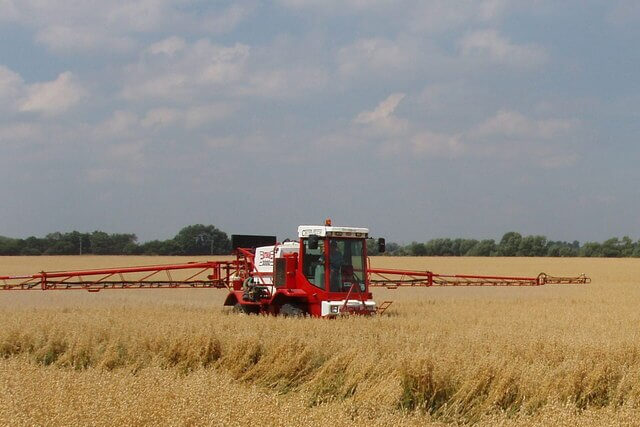
Glyphosate use in modern agriculture can be traced back to innovative Scottish farmers in the 1980s. Facing persistent damp conditions that made it difficult for wheat crops to dry evenly, they began applying glyphosate shortly before harvest. This process, known as pre-harvest desiccation, helped speed up drying by killing the crop in advance.
At the time, glyphosate was considered a breakthrough herbicide—highly effective at eliminating plant life while posing minimal risk to animals. Its success in Scotland quickly led to widespread adoption across colder, wetter farming regions worldwide.
How Much Glyphosate Is Used in the UK?
Today, glyphosate is one of the most widely used herbicides in the UK. Each year, thousands of tonnes are applied not only on farmland but also in public spaces and private gardens.
Recent government data reveals that over 2,200 tonnes of glyphosate were sprayed in 2024, with more than half used on wheat and other cereal crops. Over the past 30 years, usage has increased tenfold, reflecting its growing role in modern agricultural practices.
“The UK’s glyphosate addiction has spiralled out of control,” said Nick Mole of Pesticide Action Network UK, a campaign group which carried out the analysis. “We know that glyphosate has links to a range of cancers and other life-threatening diseases. And that it damages the environment, polluting our waters and harming wildlife.
“The government urgently needs to commit to phase out – and ultimately ban – glyphosate and support farmers and local councils to adopt safe and sustainable alternatives.”
Why Farmers Rely on Glyphosate
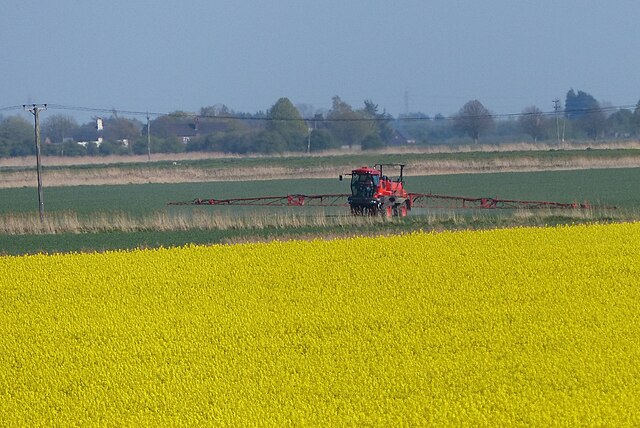
Glyphosate is a broad-spectrum herbicide, meaning it eliminates a wide range of weeds, including grasses and broadleaf plants. This makes it a highly effective and efficient tool for farmers.
“The primary use of glyphosate in the UK is it’s applied before the crop is planted to kill off all the weeds that are growing in the field,” said Helen Metcalfe, an agricultural ecologist at Rothamsted Research in Harpenden, Hertfordshire.
This differs from practices in countries like the United States, where genetically modified (GM) crops are engineered to resist glyphosate and can be sprayed during growth.
Glyphosate and Regenerative Farming
The rise in glyphosate use is partly linked to the shift toward regenerative farming practices. These approaches aim to protect soil health by reducing ploughing, which can damage soil structure and biodiversity.
Instead of mechanically removing weeds through tillage, farmers often use glyphosate as a less disruptive alternative. While this helps preserve soil integrity, it also increases reliance on chemical weed control.
“They’re trying to protect their soil, trying to prevent erosion, trying to build up carbon in the soil and all that good stuff. To be able to do regenerative farming well you need to apply glyphosate” Metcalfe said.
Health Concerns and Legal Challenges
Despite its effectiveness, glyphosate remains highly controversial. In 2015., the World Health Organization classified it as “probably carcinogenic to humans”, sparking global debate over its safety.
In the United States, Bayer—the manufacturer of Roundup, a glyphosate-based herbicide—has agreed to pay $7.25 billion to settle thousands of legal claims alleging a link to cancer. Meanwhile, France has recognised a connection between glyphosate exposure and Parkinson’s disease, offering compensation to affected farmers.
“As with most things, essentially, the more you’re exposed, the more concern there is,” said Wayne Carter, an associate professor at the University of Nottingham who studies the biological impact of pesticides. “Too much is potentially toxic, so you could be exposed through your diet, you could be exposed to an inhalation route; but also you should be mindful of going out there and slopping it around in your garden, basically.”
Regulatory Changes and Future Outlook
Concerns over glyphosate residues in food have prompted regulatory action. In 2023, the European Union banned its use for pre-harvest desiccation, reflecting growing unease about its accumulation in the food chain.
A UK government spokesperson insisted use of glyphosate was subject to strict regulation, adding: “Pesticides are only approved for use if the evidence shows that they won’t harm human or animal health, and won’t have unacceptable effects on the environment.”
However, with its licence periodically reviewed, calls for tighter restrictions—or even a full ban—continue to intensify.
What This Means for the Future of Farming
Glyphosate sits at the centre of a complex debate about food production, environmental protection, and public health. While it offers practical benefits for farmers, its long-term impacts remain uncertain.
As pressure grows for more sustainable and less chemically dependent farming systems, the future of glyphosate use in the UK is likely to remain a key issue for policymakers, farmers, and consumers alike.
Supporting UK Rewilding Efforts
At Natural World Fund, we support solutions that protect both human health and the natural environment. The debate around glyphosate highlights a critical truth: how we grow our food has lasting consequences for ecosystems, soil, and future generations. By backing more sustainable, nature-friendly farming practices, we can help restore balance and build a healthier, more resilient world.
If you care about restoring native wildlife in the UK, support the work of Natural World Fund today.
Image sources
- Spraying the crops near the River Glen by Mat Fascione. Resized from original: Wikipedia Commons
- Spraying oats near Boveney Lock – geograph.org.uk – 897466 by David Hawgood. Resized from original: Wikipedia Commons