

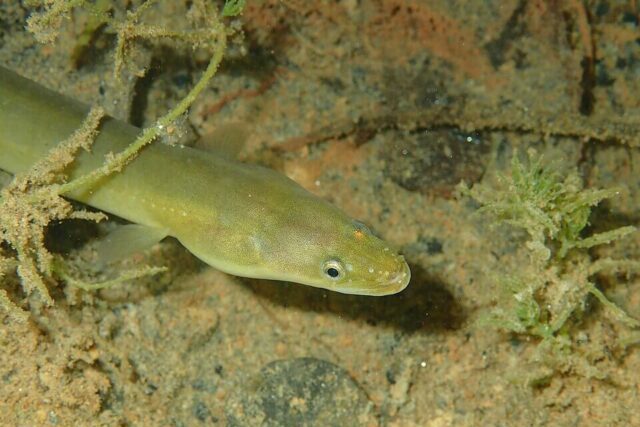
The Comeback of Eels in Britain’s Rivers
Often described as “unusual” or even “unknown,” eels have long suffered from a poor public image due to their slimy appearance. But across Britain’s waterways, these remarkable creatures are undergoing a much-needed revival — and a rebrand.
Once a common sight in UK rivers, eel populations plummeted dramatically in the 1980s, declining by an estimated 94%. Pollution, parasites, and man-made barriers such as dams and weirs severely disrupted their life cycle.
Today, conservationists are working hard to reverse that decline and restore balance to freshwater ecosystems.
Why Eels Matter to Healthy Ecosystems
Eels play a vital role in maintaining biodiversity in rivers and wetlands. As both predators and prey, they help regulate aquatic food chains and contribute to a healthy, balanced ecosystem.
Their recovery is not just about saving a single species — it’s about protecting the wider natural environment that depends on them.
Eel Reintroduction Projects Across the UK
Efforts are now underway across the country to reintroduce eels into suitable habitats. One such initiative is taking place along the River Kennet, which flows through Wiltshire and Berkshire.
Conservationist Dr Emily Best is leading work to support eel populations by installing innovative “eel mops” — artificial habitats made from synthetic rope. These structures provide shelter and protection for young eels, helping them survive in increasingly challenging river conditions.
Dr Best describes eels as “fascinating creatures,” highlighting their ecological importance and unique life cycle.
What Are Eel Mops and How Do They Help?
Eel mops are simple but effective conservation tools. Resembling everyday cleaning mops, they are designed to mimic natural hiding places for young eels.
Placed in rivers, these structures offer a safe refuge from predators and strong currents. They are particularly important for juvenile eels, which need sheltered environments to grow and thrive before continuing their journey.
Best said: “We are really excited that we are supporting the European eel reintroduction on the Kennet by using citizen scientists to help monitor these mop sites.
“We are hoping to monitor six sites across the River Kennet, some in Wiltshire and some over the border in Berkshire, we are looking for volunteers who can help us with this.”
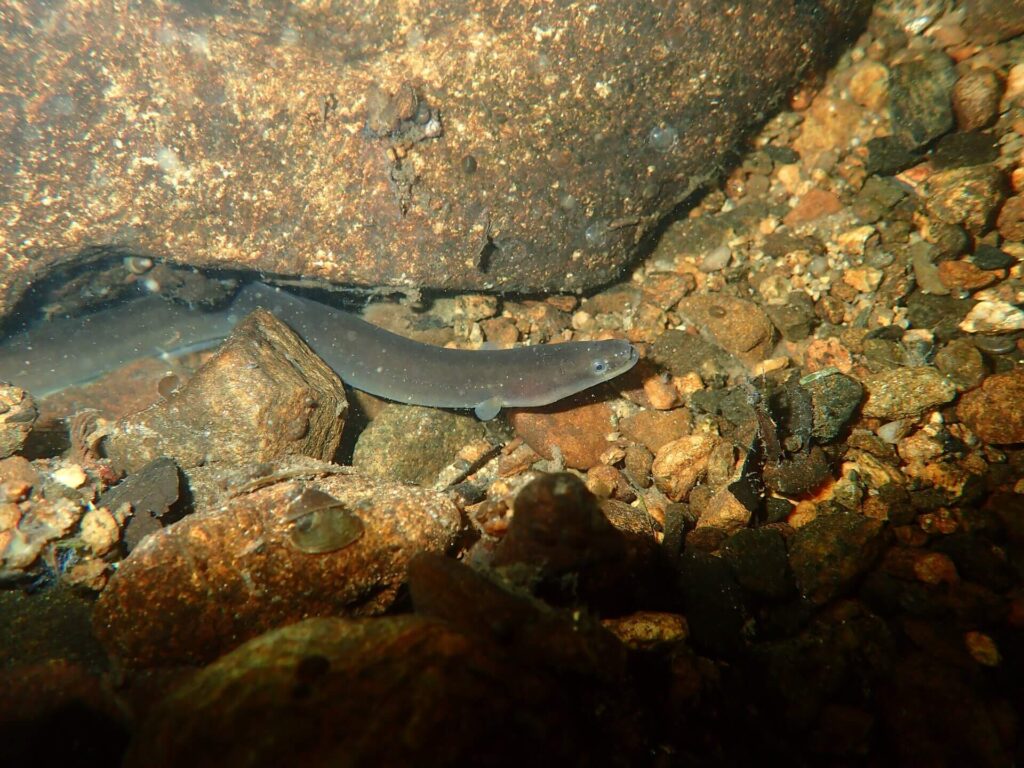
The Incredible Journey of the European Eel
The life cycle of the eel is one of nature’s most extraordinary migrations. Eels are born in the Sargasso Sea in the North Atlantic Ocean. From there, they travel thousands of miles on ocean currents to reach the estuaries and rivers of Europe.
When they arrive, they transform into tiny, transparent “glass eels” before moving upstream into freshwater habitats. After years of growth, they return to the Atlantic Ocean to breed, completing an epic and mysterious journey.
Restoring River Connectivity for Eel Survival
For eels to thrive, rivers must remain accessible and free-flowing. Barriers such as dams and poorly designed infrastructure can block their migration routes, preventing them from reaching feeding and breeding grounds.
Conservation projects like those on the River Kennet aim to improve river connectivity while also providing safe habitats, ensuring eels can complete their life cycle successfully.
Community Engagement and Education
The eel reintroduction project is a collaborative effort involving Action for the River Kennet (ARK), the Thames Rivers Trust, and funding from the National Lottery.
Beyond habitat restoration, ARK is also delivering school programmes and community workshops to raise awareness about eel conservation. These initiatives aim to inspire local communities to value and protect their waterways.
Anna Forbes, ARK education and outreach manager, said: “This project is a fantastic opportunity for ARK to train up new eel volunteers and pilot a new citizen science to help us and the Environment Agency collect new data on eel in the Kennet.
“The European eel is a really important fish that spends the majority of its life in our rivers, yet it is now critically endangered. The aim of the project is to connect communities to their local rivers and eels; whilst improving the future for this special fish.”
Changing Perceptions of an Endangered Species
While some still view eels as strange or unfamiliar, conservationists are working to change that perception. Dr Emily Best emphasises that eels are “absolutely amazing” animals with a crucial role to play in our ecosystems.
She added: “They are really fascinating creatures.”
As restoration efforts continue, Britain’s rivers may once again become thriving habitats for these extraordinary creatures — proving that even the most misunderstood species deserve protection.
Support UK Rewilding Efforts
At Natural World Fund, we support science-led, climate-resilient conservation that restores entire ecosystems — not just individual species. By prioritising biodiversity, river connectivity, and long-term habitat recovery, we can help vital species like eels return and thrive, creating healthier waterways that benefit both people and nature for generations to come.
If you care about restoring native wildlife in the UK, support the work of Natural World Fund today.
Image sources
- Anguilla anguilla France by jujurenoult. Cropped and resized from original: Wikipedia Commons
- Anguilla anguilla Corse by jujurenoult. Cropped and resized from original: Wikipedia Commons