

Sand Dredging in Lough Neagh: New Research Raises Environmental Concerns
New research led by Queen’s University Belfast suggests that sand dredging in Lough Neagh may be causing broader and longer-lasting environmental impacts than previously understood.
Scientists warn that disturbance from commercial dredging activities appears “widespread” and could be affecting the lake’s delicate ecosystem.
What Is Sand Dredging and Why It Matters
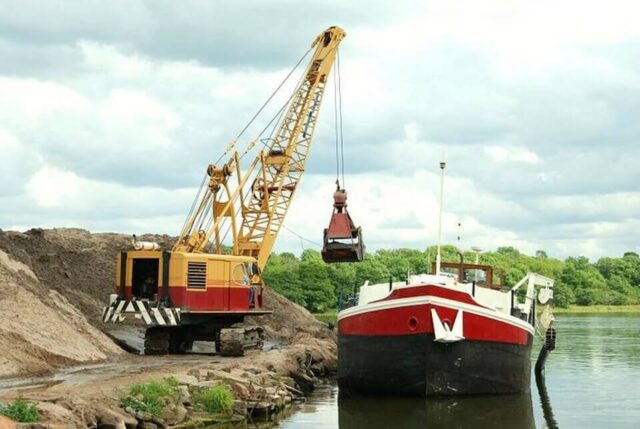
Sand dredging involves extracting sediment from the lakebed, primarily for use in construction materials. Since licences were granted in 2021, several companies have been removing large quantities of sand, paying fees to the Earl of Shaftesbury, the owner of the lough bed.
While dredging supports the building industry, growing evidence suggests it may also contribute to environmental degradation—making it a key issue for conservation and sustainable resource management.
Study Findings: Widespread Disturbance Across the Lake
The research, led by Dr Neil Reid in collaboration with Newcastle University, used a combination of sonar mapping and satellite imagery to assess the extent of dredging impacts. This marks the first time these technologies have been combined to analyse changes in Lough Neagh at this scale.
Key findings include:
- Evidence of widespread physical disturbance across the lough bed
- Signs of deep scarring linked to dredging activity
- Potential disruption to sediment balance and aquatic habitats
Reid said: “We have used sonar to map the bed of Lough Neagh and we have found that where sand is extracted, it can be lowered by 10 to 20 metres and is heavily scarred.”
“But analysis of satellite imagery from space shows that sediment extends far beyond the area where sand is mined and it spreads across half the lake.
“So the boats overflow and over-spill sediment, propellers churn sediment up on the lake bed and there’s run-off from the storage yards.”
Researchers highlight that sedimentation can have “profound negative ecological consequences,” affecting water quality and biodiversity.
Environmental Impact and Algal Bloom Crisis
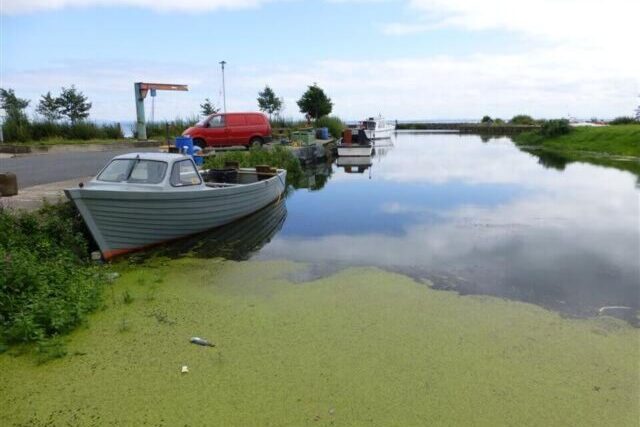
Lough Neagh has experienced recurring blue-green algal blooms over recent summers, turning the water green and raising concerns about toxicity.
These blooms are largely driven by excess nutrients—especially phosphorus—from agriculture, wastewater, septic systems, and industry.
Dredging may exacerbate these issues by disturbing nutrient-rich sediments, potentially worsening water quality and ecosystem health.
Reid added: “In this case it could affect the algal blooms by liberating nutrients from the sediment, it could reduce the water clarity and quality, it could lower the oxygen levels and it could harm wildlife throughout the ecosystem.”
Industry Response and Ongoing Debate
The Lough Neagh Sand Traders (LNST), representing licensed dredging companies, has challenged the findings. A spokesperson stated that previous environmental impact assessments concluded dredging would not harm the integrity of the lough.
A spokesperson said this latest research was incorrect.
“Contrary to its claim, this is not the first assessment of the environmental effects of sand extraction on Lough Neagh.”
The group maintains it will continue operating under existing planning permissions while engaging with regulators as required.
“We will continue to consider all additional research into the habitat and ecology of the Lough as appropriate”.
Solutions: Can Sustainable Dredging Reduce Harm?
Despite the concerns, researchers say there are “practical ways” to limit environmental damage from dredging. These could include:
- Improved monitoring of dredging activity
- Restrictions on extraction zones or volumes
- Enhanced environmental safeguards
Dr Reid emphasised that action is needed to balance economic activity with environmental protection and highlighted “practical ways” to limit any environmental impact
“For example, covering sand piles onshore to limit run-off due to rain erosion, adjusting suction rates to limit the amount of sedimentation in the water and reducing transit speeds or limiting boats to certain corridors to limit the impact spatially.
“So there’s a variety of things that could be employed to reduce the environmental impact of sand-dredging.”
Lough Neagh Action Plan: Restoring the UK’s Largest Lake
Efforts are already underway to restore Lough Neagh through a long-term action plan focused on reducing nutrient pollution and supporting ecosystem recovery.
Addressing both dredging impacts and nutrient inputs will be essential to improving water quality and preventing future algal blooms.
Reid continued: “If the lake is to recover, management cannot focus on nutrients alone while ignoring physical disturbance.
“That places a responsibility on government to ensure that regulation, monitoring, and enforcement reflect the true scale of sand extraction impacts.”
Why Protecting Lough Neagh Matters
As the largest freshwater lake in the UK, Lough Neagh is vital for biodiversity, local communities, and the regional economy. Protecting it from environmental harm—whether from pollution or dredging—is critical to ensuring its health for future generations.
Support UK Rewilding Efforts
At Natural World Fund, we support science-led action to restore the health of Lough Neagh by tackling nutrient pollution, addressing unsustainable practices, and protecting vital freshwater habitats. By prioritising biodiversity, improving water quality, and promoting sustainable management, we can help restore this unique ecosystem and secure a healthier future for wildlife and local communities.
If you care about restoring native wildlife in the UK, support the work of Natural World Fund today.
Image sources
- Boat, Lough Neagh – geograph.org.uk – 3622207 by Kenneth Allen. Cropped and resized from original: Wikipedia Commons
- Sand barge, Lough Neagh (7) – geograph.org.uk – 862405 by Albert Bridge. Cropped and resized from original: Wikipedia Commons