

Restoring UK Oyster Reefs: A Landmark North Sea Rewilding Project
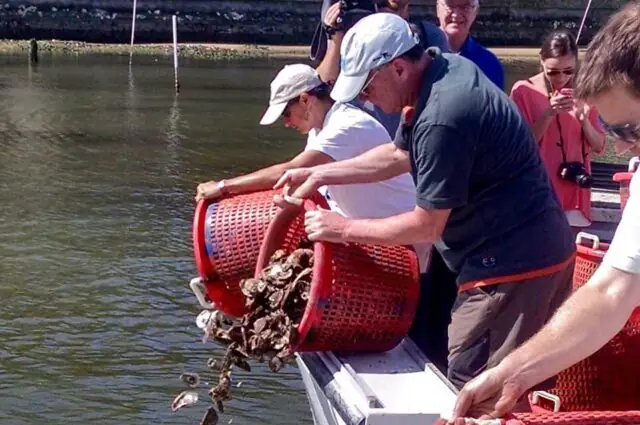
More than 15 million juvenile oysters are set to be released into the North Sea as part of one of the largest marine rewilding projects ever undertaken in UK waters.
Focused around Orkney, this ambitious initiative aims to restore native oyster reefs and revitalise marine biodiversity at scale.
Why Oyster Restoration Matters for Marine Ecosystems
Oyster reefs were once a cornerstone of the UK’s coastal ecosystems, spanning vast areas of seabed. In the North Sea alone, historic oyster beds are believed to have covered areas comparable in size to Wales.
However, overfishing during the Industrial Revolution, combined with pollution, habitat destruction, and climate change, led to a dramatic collapse in oyster populations.
This loss triggered what scientists describe as a “negative cascade,” where the disappearance of oysters disrupted entire marine food webs. Restoring oyster reefs can reverse this damage by supporting fish populations, seabirds, and marine mammals, while improving overall ocean health.
A Trophic Cascade of Climate and Biodiversity Benefits
Marine experts leading the project highlight the potential for a powerful “trophic cascade” — where rebuilding oyster populations delivers wide-reaching ecological benefits.
Healthy oyster reefs act as natural water filters, enhance biodiversity, and create habitats for a wide range of marine species including molluscs, scallops, seaweeds, and algae.
Richard Land, the marine expert leading the project, said: “It won’t just benefit fish and the bay, it will benefit sea mammals, seabirds and the whole environment.”
Beyond biodiversity, oyster restoration plays a role in climate action. Oyster reefs can capture and store carbon dioxide, contributing to long-term carbon sequestration and helping mitigate climate change.
Innovative Oyster Rewilding Techniques in Orkney
This North Sea restoration project uses an innovative rearing process to maximise survival rates. Juvenile oysters are first cultivated onshore on specially designed plates enriched with calcium carbonate.
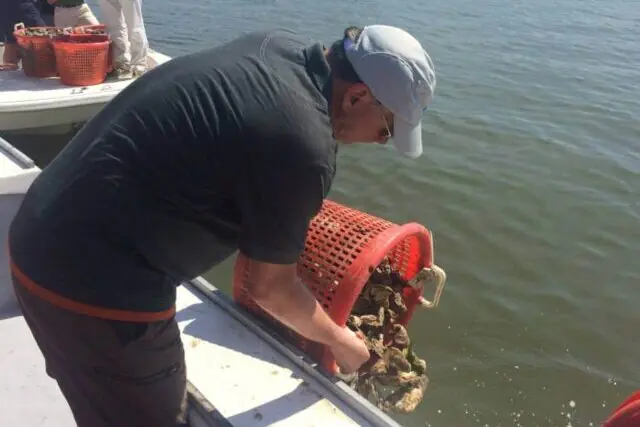
Once established, these oysters are transferred into the sea and suspended on long lines, protecting them from predators during early growth stages.
As the oysters mature, they form complex reef structures that become self-sustaining ecosystems. The long-term goal is to encourage natural spawning, allowing oyster populations to expand organically across UK coastlines.
Carbon Capture Potential of Oyster Reefs
Research suggests that restored oyster reefs could sequester significant amounts of carbon. The Orkney project alone aims to establish a reef covering over 100 hectares, with the potential to capture up to 76 tonnes of CO₂ annually.
However, the true impact lies in long-term ecosystem recovery. Once oyster populations become self-sustaining, carbon capture capacity could increase dramatically — potentially exceeding current levels by over 1,000 times within 15 years.
Dale Vince, the founder of the Green Britain Foundation and one of the backers of the scheme, said: “This whole project actually came from: how do we get nature to do the carbon capture for us? Restoring native oyster beds is a perfect example of how we can work to restore nature and fight the climate crisis at the same time … By reintroducing them, we’re breathing life back into marine ecosystems – creating vital habitats for other marine life and reducing carbon in the atmosphere. It’s a perfect combination.”
A Blueprint for UK and European Coastal Restoration
This initiative is designed not just as a local project, but as a scalable model for wider marine restoration. Backed by leading environmental organisations, it aims to provide a proven framework for reintroducing oysters across the UK and European waters.
By demonstrating how large-scale oyster reef restoration can succeed, the project could accelerate similar efforts in other coastal regions, supporting biodiversity recovery and climate resilience on a broader scale.
“This project is a blueprint for a wider plan to reintroduce oysters to the UK and to European waters,” Land said.
Collaboration Driving Ocean Recovery
The project brings together expertise from conservation groups, marine scientists, and environmental organisations, highlighting the importance of collaboration in tackling the climate and biodiversity crises.
With growing support from policymakers and researchers, oyster restoration is increasingly recognised as a critical tool in rebuilding healthy, resilient marine ecosystems.
Alistair Carmichael, the Liberal Democrat MP for Orkney and Shetland, welcomed the plan. “Efforts to restore and recover historic wildlife in the isles are absolutely welcome,” he said, “particularly if there is an opportunity for carbon sequestration at the same time.
“Orkney has a long and productive history of working the seas that surround us. It is in all our interests to balance the needs and demands on our waters and our seabed so that everyone can benefit from it for generations to come.”
The Future of UK Marine Rewilding
Oyster reef restoration represents a powerful nature-based solution to some of the UK’s most pressing environmental challenges.
Philine Zu Ermgassen, from the University of Edinburgh, said reintroduction schemes were critical to restore oyster populations.
“As oysters are now so few in number, they are unable to recover in many locations without human intervention. It is exciting that hatchery techniques are developing to meet the needs of the growing restoration community. This innovation is key to producing enough oysters from local genetic stocks to support restoration and recovery of this hugely valuable ecosystem.”
By restoring these vital ecosystems, projects like the Orkney initiative are helping to rebuild marine biodiversity, improve water quality, and combat climate change.
As efforts expand, oyster rewilding could play a central role in transforming the health of UK seas for generations to come.
Support UK Rewilding Efforts
At Natural World Fund, we champion science-led marine restoration to rebuild the UK’s most vital coastal ecosystems. Projects like oyster reef recovery in the North Sea show how restoring a single keystone species can unlock wide-ranging benefits for biodiversity, water quality, and climate resilience. By supporting habitat restoration, advancing nature-based solutions, and empowering communities to take action, we’re working towards healthier seas where marine life can recover, regenerate, and thrive.
If you care about restoring native wildlife in the UK, support the work of Natural World Fund today.
Image sources
- Tim Kaine Citizen Day – Oyster Reef Restoration in Norfolk’s Lafayette River 22508 830662276982867 1845212689463275356 n by Office of Senator Tim Kaine. Cropped and resized from original: Wikipedia Commons
- Citizen_Day_Oyster_Reef_Restoration by Senator Tim Kaine. Cropped and resized from original: Wikipedia Commons