

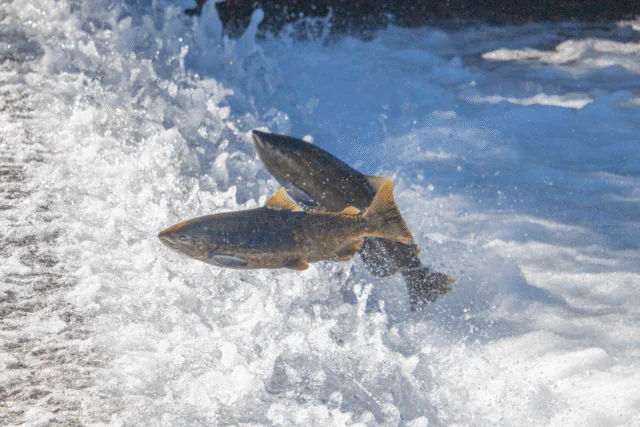
Cocaine Pollution in Rivers: Drug Contamination Affecting Fish Behaviour
Traces of cocaine entering rivers and lakes are raising serious concerns for aquatic ecosystems. New research suggests these pollutants may accumulate in the brains of fish, altering behaviour and potentially threatening long-term fish population health.
Scientists studying juvenile Atlantic salmon discovered that exposure to cocaine and its primary breakdown product, benzoylecgonine, can significantly change how fish behave in the wild.
Salmon exposed to these substances swam longer distances and spread more widely across a lake environment. These behavioural changes suggest drug pollution could influence where fish travel, how they feed, and their exposure to predators.
Pharmaceutical Pollution: A Growing Threat to Biodiversity
Although the full environmental impact remains unclear, researchers warn that contaminated fish may face serious consequences. Increased activity levels could force fish to burn more energy, requiring them to forage more frequently. This behaviour may make them more vulnerable to predators and reduce their chances of survival.
“Largely, we don’t know the consequences, but I expect there to be trade-offs,” said Dr Jack Brand at the Swedish University of Agricultural Sciences. “They may end up in worse condition or have to offset it by foraging a lot more, meaning they spend more time out in the open.”
Experts have previously highlighted pharmaceutical and drug pollution as “a major and escalating risk to biodiversity”. Residues from substances such as cocaine, antidepressants, and methamphetamine are now commonly detected in waterways.
Studies have shown alarming behavioural effects in aquatic species, including:
- Trout exhibiting signs of methamphetamine dependency
- Perch losing their natural fear of predators due to antidepressants
These findings have led scientists to call for greener pharmaceutical design, ensuring drugs break down more safely in the environment.
Widespread Drug Contamination in UK Rivers
Evidence from UK waterways highlights the scale of the issue. In 2019, freshwater shrimp sampled in Suffolk rivers were found to contain traces of dozens of different drugs, including:
- Cocaine
- Methamphetamine
- Antidepressants
- Anti-anxiety medications
- Antipsychotics
While the ecological impact remains under investigation, the presence of such chemical mixtures raises significant concerns for freshwater ecosystems.
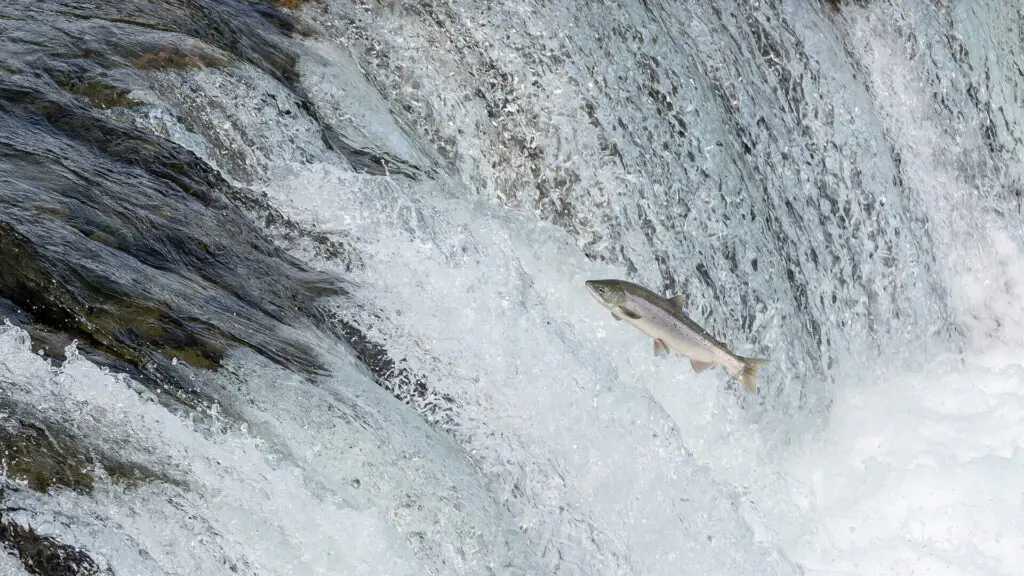
Tracking Salmon in Sweden’s Lake Vättern
To better understand real-world effects, researchers conducted a field experiment in Lake Vättern, Sweden’s second-largest lake; which was published in the journal Current Biology. Hatchery-reared Atlantic salmon were fitted with implants releasing environmentally realistic levels of cocaine or benzoylecgonine, while a control group received no drugs.
Using acoustic tracking technology, scientists monitored the fish over two months. The results showed:
- Drug-exposed salmon became more active over time
- Cocaine-exposed fish swam up to 5km further than control fish
- Fish exposed to benzoylecgonine travelled nearly 14km further
- Contaminated fish ventured significantly farther across the lake
Unexpectedly, the metabolite benzoylecgonine had an even greater behavioural impact than cocaine itself.
“It was really the metabolite, which we know occurs at higher concentrations in the wild, that had the much more profound effect on fishes’ behaviour and movement,” Brand said. “That suggests that if we’re doing risk assessments and not including compounds like these metabolites and derivatives, we may be missing a big chunk of the environmental risk we’re exposing these animals to.”
The Role of Wastewater and Sewage Pollution
Modern wastewater treatment plants can remove many drug residues effectively. However, untreated sewage remains a major source of contamination in rivers and lakes.
Pollutants often enter waterways through:
- Storm overflow discharges
- Misconnected household plumbing
- Raw sewage releases during heavy rainfall
These pathways allow harmful substances to bypass treatment systems and directly impact aquatic wildlife.
Why This Matters for Conservation
Understanding how drug pollution affects wildlife is critical for protecting biodiversity. Changes in fish behaviour can disrupt food chains, migration patterns, and ecosystem balance.
Researchers stress the need for:
- Improved wastewater infrastructure
- Better monitoring of emerging contaminants
- Environmentally safer pharmaceuticals
Prof Leon Barron, who leads the emerging chemical contaminants team at Imperial College London, said: “Better wastewater management, particularly reduced raw sewage discharges, could help lower any risks to wildlife and their ecosystems,” he said.
Without action, invisible pollutants like cocaine residues could have lasting and unpredictable effects on freshwater ecosystems.
Support UK Rewilding Efforts
At Natural World Fund, we champion science-led action to tackle pollution and restore freshwater ecosystems across the UK. Emerging evidence shows that contaminants—from pharmaceuticals to illicit drugs—can disrupt wildlife in ways we are only beginning to understand. That’s why we support research-driven solutions, from improving water quality and reducing sewage pollution to restoring healthy river habitats. By investing in nature-based recovery and empowering communities to take action, we’re working to protect aquatic species and rebuild resilient ecosystems for the future.
If you care about restoring native wildlife in the UK, support the work of Natural World Fund today.
Image sources
- Jumping Salmon, Brooks Falls, Katmai National Park by Christoph Strässler. Cropped and resized from original: Wikipedia Commons
- Chinook salmon adult jumping two 30 November 2021 by Laura Mahoney/USFWS. Cropped and resized from original: Wikipedia Commons