

UN Warns Climate Change Is Pushing Food Systems Towards Crisis
Extreme heat is increasingly threatening global food production, with the UN warning that rising temperatures are putting the livelihoods of more than one billion people at risk.
A major new report report from the Food and Agriculture Organization and the World Meteorological Organization says worsening heatwaves on land and at sea are pushing food systems in some regions “to the brink”.
The report highlights how climate change is making farming more dangerous, reducing crop yields, stressing livestock and damaging fisheries worldwide. Scientists warn that without urgent adaptation measures, food insecurity could worsen significantly in the coming decades.
Farmers Facing Dangerous Working Conditions
According to the report, extreme temperatures could make it unsafe for farmers to work outdoors for as many as 250 days each year in some of the world’s hottest regions.
Areas most at risk include:
- India and South Asia
- Tropical regions of sub-Saharan Africa
- Parts of Central and South America
Agricultural workers are increasingly exposed to dangerous heat stress, particularly during long hours of physical labour in direct sunlight. Experts say improved weather forecasting and mobile phone warning systems could help farmers prepare for extreme heat events before they occur.
Livestock Heat Stress Is Increasing Mortality Rates
Rising temperatures are also severely affecting livestock farming across many countries.
Heat stress in common farm animals begins at around 25°C, leading to increased mortality and reduced productivity. Dairy cows produce less milk during heatwaves, while milk quality also declines due to lower fat and protein content.
Pigs and chickens are especially vulnerable because they cannot regulate body temperature effectively through sweating. During extreme heat, these animals can suffer:
- Digestive system failure
- Organ damage
- Cardiovascular shock
- Higher death rates
Researchers warn that prolonged heatwaves could place major pressure on industrial livestock systems worldwide.
Crop Yields Falling as Temperatures Rise
Extreme heat is already reducing yields for several major crops.
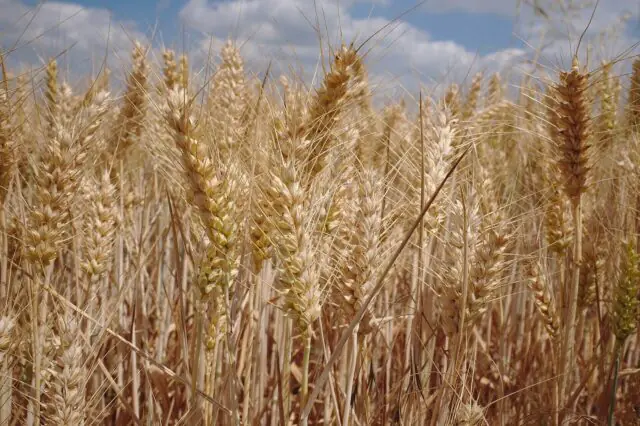
Most agricultural crops begin to experience declining productivity once temperatures rise above 30°C. Heat damage weakens plant structures, disrupts growth and can trigger toxin production in crops.
The report found:
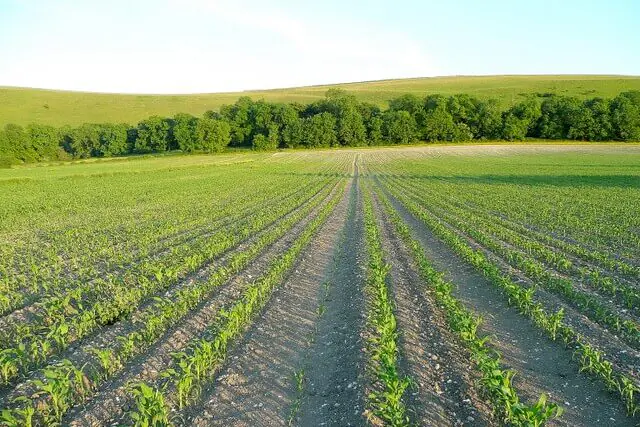
- Maize yields in some regions have fallen by around 10%
- Wheat production has declined by nearly the same amount
- Crop losses are expected to worsen beyond 1.5°C of global warming
Scientists say food production systems will become increasingly vulnerable as climate change accelerates.
Ocean Heatwaves Are Damaging Fisheries
Marine ecosystems are also under growing pressure from rising temperatures.
Ocean heatwaves reduce oxygen levels in seawater, making it harder for fish populations to survive. In some areas, this is already causing major population declines and threatening seafood supplies relied upon by millions of people worldwide.
The report warns that warming oceans could have long-term consequences for both biodiversity and coastal economies.
Experts Call for Better Climate Adaptation Measures
Climate and agriculture experts say governments must act quickly to protect farmers and food supplies from worsening heat extremes.
Richard Waite of the World Resources Institute said farmers urgently need access to better forecasting tools, climate advice and early warning systems to prepare for extreme weather.
“Without adaptation, extreme heat will cut crop and livestock yields, forcing more land into agriculture to maintain food production. That would drive even higher emissions from land use change, which in turn would make climate impacts on agriculture even worse,” he said. “What’s needed is the opposite: scaling solutions that help farmers maintain and sustainably increase productivity, even in a changing climate, so we can break that vicious cycle rather than reinforce it.”
Morgan Ody from La Via Campesina called for stronger protections for agricultural workers, including:
- Access to shade, water and rest breaks
- Limits on working hours during extreme heat
- Compensation for climate-related losses
- Increased investment in climate adaptation
She also argued for a shift away from intensive industrial farming towards more nature-friendly agricultural methods.
“Farmers, agricultural workers and small-scale fisherfolk – especially women and elderly people among them – whose livelihoods depend on daily work in fields, rivers and oceans, are highly vulnerable to extreme heat, which also threatens their health and lives. These extreme weather events are driven in large part by industrial monocultures and livestock systems that emit large amounts of greenhouse gases,” she said.
More Diverse Farming Systems Could Improve Resilience
Experts say modern industrial food systems are especially vulnerable because they rely heavily on a small number of staple crops and large quantities of fertilisers and chemical inputs.
Molly Anderson, an expert with the IPES-Food, said more diverse farming systems would be better equipped to cope with climate shocks.
She called for the restoration of:
- Trees and natural shade on farms
- Mixed crop systems
- Greater biodiversity
- Integrated livestock and crop farming
She said: “The risk of simultaneous crop failures from extreme heat could ripple through food prices, supply chains and economies. Adaptation has limits – the only durable response is to tackle fossil fuels, accelerate the shift to renewable energy, and invest massively in adaptation.”
Tim Lang, emeritus professor of food policy at the University of London, warned that while the harshest impacts may initially affect already hot countries, developed nations and temperate regions will also face growing food security risks as global temperatures continue to rise.
“The acceleration of climate uncertainties poses dire challenges for food growers worldwide,” he said.
“The British Isles are not immune to the effects. Places we’ve got food from will dry up. Land use here will be changed. Water dependencies are exposed. Crops that started off well will fail to thrive. Productivity will be disrupted. Regular patterns of growing and consuming will be forced to change. Anyone who thinks climate change won’t affect us should think again.”
Climate Change and Food Security Are Closely Linked
The report reinforces growing concerns that climate change is becoming one of the greatest long-term threats to global food security.
Without stronger climate adaptation measures, experts warn that extreme heat could continue to reduce agricultural productivity, increase food prices and place millions more people at risk of hunger and economic hardship worldwide.
Support UK Rewilding Efforts
At Natural World Fund, we support sustainable farming and climate adaptation measures that help protect both people and nature from the growing impacts of extreme heat. As rising temperatures threaten crops, livestock and global food security, we believe nature-friendly agriculture, resilient ecosystems and better protection for rural communities are essential for the future. By promoting biodiversity, restoring healthy landscapes and supporting climate-resilient food systems, we can help build a more sustainable and secure future for generations to come.
If you care about restoring native wildlife in the UK, support the work of Natural World Fund today.
Image sources
- Wheat crop – geograph.org.uk – 5838283 by Bob Harvey. Resized from original: Wikipedia Commons