

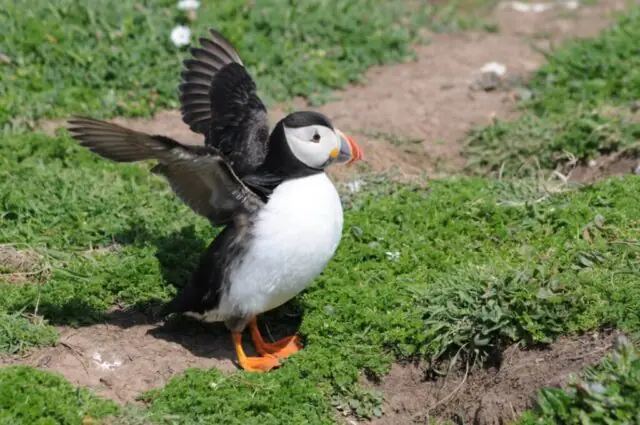
Puffin Population Reaches New High on Skomer Island
A record-breaking number of puffins has been counted on Skomer Island for the second consecutive year, highlighting the island’s growing importance for UK seabird conservation.
The Wildlife Trust of South and West Wales (WTSWW) confirmed that 52,019 puffins were recorded during this year’s annual seabird survey — around 8,000 more than the previous record set in 2025.
Conservation teams described the result as a “very pleasant surprise”, as such a large increase had not been expected.
Why Skomer Island Is So Important for Seabirds
Located less than a mile off the coast of Pembrokeshire in south-west Wales, Skomer Island is internationally recognised as one of the UK’s most important seabird breeding sites.
Its isolated location helps protect nesting birds from predators and human disturbance, creating ideal conditions for species to thrive.
Alongside its growing puffin population, the island also supports:
- Around 350,000 breeding pairs of Manx shearwaters
- Thousands of guillemots and razorbills
- Breeding kittiwakes and fulmars
- Marine mammals, reptiles, and the unique Skomer vole
The island covers approximately 1.13 square miles (2.92 square kilometres) and is carefully managed for wildlife conservation.
How Puffins Are Counted on Skomer Island
Each spring, wardens, volunteers, and researchers from the WTSWW carry out a detailed seabird census to monitor returning breeding populations.
The island is divided into seven survey sections, with teams counting every puffin seen on land, at sea, and in flight using binoculars and manual recording methods.
Timing is critical during the survey process:
- If counts are carried out too early, many birds may not yet have returned
- If conducted too late, puffins will already be incubating eggs inside burrows
Importantly, the same counting method has been used since the 1980s, allowing conservationists to compare more than 40 years of puffin population data and track long-term trends accurately.
Leighton Newman, Skomer Island Warden for WTSWW, said: “After the tragic number of seabirds washing up on beaches across southern Europe earlier this year… it’s a very pleasant surprise to see the puffin population thriving.”
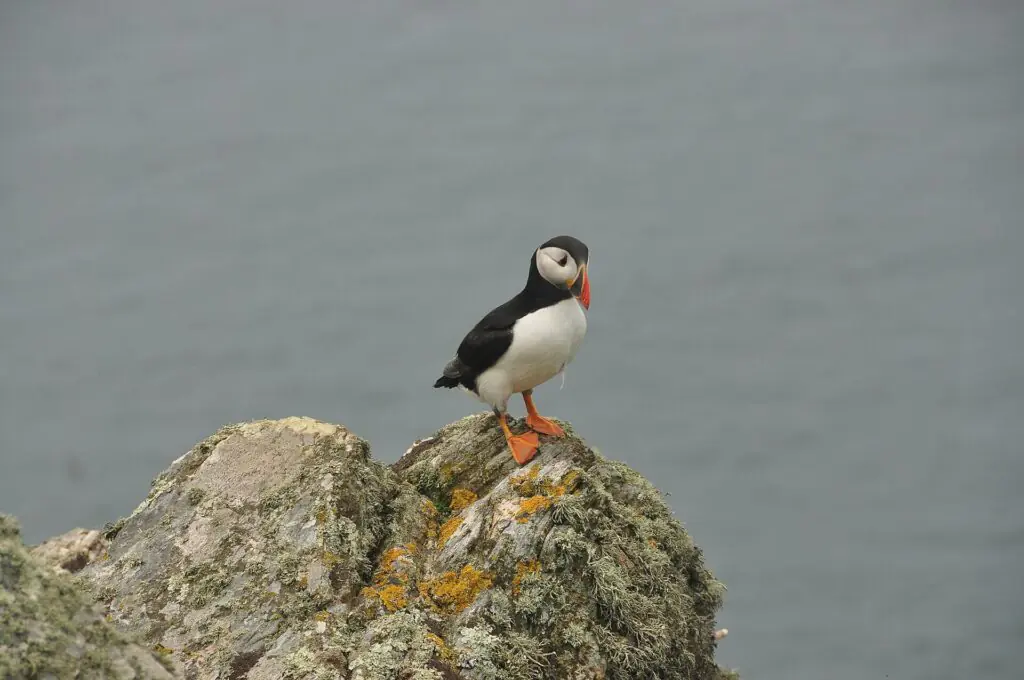
Seabirds Continue to Face Major Threats
Despite the positive news from Skomer Island, seabird populations across the UK and globally remain under pressure.
According to conservation groups, puffins are among the fastest-declining seabird species in several regions due to a combination of threats, including:
- Marine pollution
- Climate change
- Invasive predators
- Bird flu outbreaks
- Pressure from offshore renewable developments
- Declining fish stocks
Long-term monitoring projects like those on Skomer help scientists detect population changes early and identify emerging environmental threats before serious declines occur.
Newman said: “Puffin numbers are declining at many sites around the UK, but Skomer bucks the trend – and it’s thanks to long-term monitoring work that we know this.
“It’s special that Skomer is a refuge for so many seabirds and it’s a privilege to be able to work to protect them, but we want to see seabird populations thriving across the UK.”
Visiting Skomer Island
Visitors can reach Skomer Island by boat from the Pembrokeshire coast between April and September.
Boat trips typically operate every 30 minutes between 10:00 BST and 12:00 from April to August, with return journeys beginning from 15:00 onwards. September services run less frequently depending on demand.
There are:
- No shops on the island
- No permanent residents
- Limited overnight accommodation available through the WTSWW hostel
Anyone visiting must bring their own food and supplies.
The island’s seasonal staff live there for around nine months each year to support conservation work and manage visiting wildlife enthusiasts.
Support UK Rewilding Efforts
At Natural World Fund, we support long-term conservation and habitat protection projects that help vulnerable wildlife recover and thrive. Success stories like the growing puffin population on Skomer Island demonstrate the importance of protecting breeding habitats, monitoring species over time, and safeguarding marine ecosystems for future generations.
If you care about restoring native wildlife in the UK, support the work of Natural World Fund today.
Image sources
- Puffins_on_Skomer_(7566) by Nilfanion: Wikipedia Commons
- Puffin on Skomer – geograph.org.uk – 6155578 by Philip Halling. Resized from original: Wikipedia Commons