

Cornwall Glyphosate Debate Sparks Backlash Over Weedkiller Use
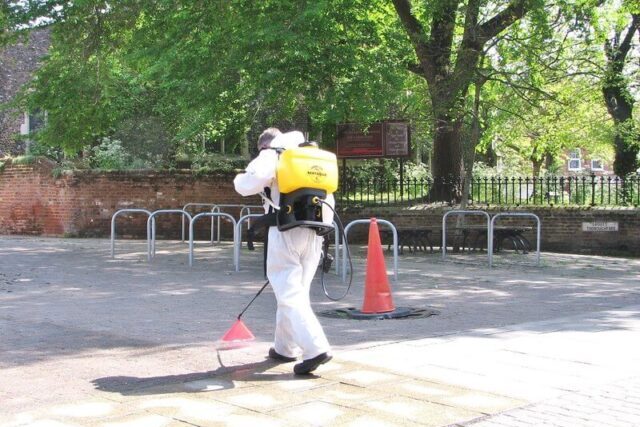
A major environmental debate has erupted in Cornwall after council leaders proposed reintroducing the controversial weedkiller glyphosate to tackle overgrown pavements and kerbsides across the county.
The decision by Cornwall Council has triggered protests, petitions, and growing concerns from residents, environmental campaigners, and health professionals worried about the impact on wildlife, pollinators, waterways, and public health.
Cornwall Council Plans Limited Return to Glyphosate
Cornwall has spent much of the past decade reducing its reliance on glyphosate, a widely used herbicide that has faced increasing scrutiny worldwide over possible links to environmental harm and human health risks.
However, council leaders now argue that weeds on urban roads, pavements, and kerbsides have become difficult to manage without chemical assistance. Officials say a “limited reintroduction” of diluted glyphosate is necessary after years without routine weed control.
According to the council, the herbicide would be applied in targeted droplets rather than widespread spraying and would not be used on grass verges or public green spaces.
Councillors supporting the move say the issue is not simply cosmetic. Overgrown weeds can damage pavements, create trip hazards, and obstruct drainage systems, potentially affecting public safety.
Public Protests and Petitions Against Glyphosate
The proposal has sparked fierce opposition across Cornwall. Thousands of residents have signed petitions demanding the council halt the scheme, while dozens of protesters gathered outside County Hall in Truro ahead of a council debate on the issue.
Campaigners argue that glyphosate use could threaten Cornwall’s rich biodiversity, including bees and other vital pollinators. Concerns have also been raised about chemical runoff entering rivers and coastal waters, particularly around popular seaside destinations such as Newquay.
Lesley Fitt, who was wearing a gas mask to make her point, said: “The dangers of glyphosate are well known. Nature needs weeds. They’re an important part of the cycle of life.”
More than 200 health professionals reportedly signed a letter objecting to glyphosate use near schools and healthcare facilities.
Marianne Daysh sported floppy ears to highlight her belief that glyphosate could harm mammals such as rabbits and hedgehogs. She said: “My grandchildren pick wildflowers for me. What if they’re covered in weedkiller?”
Green councillor Drew Creek described the proposal as a “significant policy reversal” and highlighted concerns surrounding the herbicide’s classification by the World Health Organization as a “probable human carcinogen” in 2015.
Wildflowers and Pollinators at the Centre of the Debate
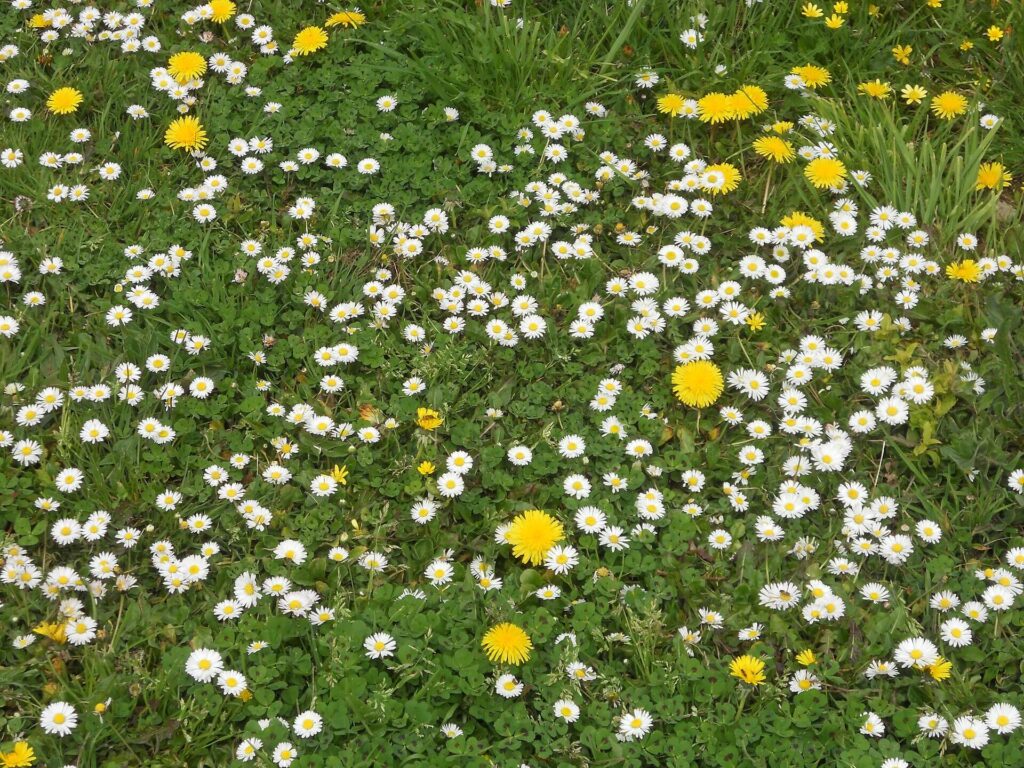
For many residents, the argument goes beyond weed control. Supporters of a glyphosate-free approach say roadside plants such as dandelions, daisies, and wild garlic provide important habitats and food sources for pollinators.
“It’s a retrograde step. I’m furious,” said Nichola Andersen, a beekeeper, who turned up in her protective suit and held up a sign reading “Bees need weeds”.
Another beekeeper, Oliver Baines, said: “Other places across the country are moving away from glyphosate. We’re going the opposite way. Anyway, they aren’t weeds – they are wildflowers and the bees love them.”
Environmental groups have increasingly promoted the idea that allowing some urban wild growth can support biodiversity while improving resilience for insects facing habitat decline.
Council officers insist that the proposed three-year recovery phase would have a “negligible impact” on pollinator habitats, but critics remain unconvinced.
The report said: “National regulators currently allow glyphosate to be used in the UK, and evidence indicates that when it is applied carefully, in a targeted way and only on hard surfaces, public exposure – and therefore health risk – is very low.”
Local Communities Explore Alternatives
Several smaller councils across Cornwall are now exploring non-chemical alternatives to weed management.
The town council in Penryn plans to organise volunteer groups to clear pavements manually, while Redruth is considering similar community-led solutions.
One resident even suggested using a “community goat” to naturally control vegetation growth.
Council officers said various non-chemical approaches had already been tested but were unable to manage Cornwall’s extensive network of urban roads effectively on their own.
Councillors Vote to Pause Glyphosate Plans
Following a heated debate, councillors voted in favour of pausing the glyphosate programme while further discussions take place.
The decision is advisory rather than legally binding, meaning Cornwall Council’s cabinet will ultimately decide whether to continue with the weedkiller rollout or change direction.
The council’s environment and climate portfolio holder, Loic Rich, indicated the cabinet may reconsider the proposals in light of the public response.
He said: “It’s an advisory but it would be morally wrong of us to ignore such a clear message. Over the next day or two we’ll be reflecting on what happened.”
Balancing Public Safety and Environmental Protection
The Cornwall glyphosate controversy highlights a wider national debate over how local authorities should manage public spaces while protecting wildlife and reducing chemical use.
Across the UK, councils are increasingly under pressure to balance public safety, maintenance costs, biodiversity protection, and growing public concern about pesticides.
The UK government has also encouraged moves away from chemical pesticide use, while the Health and Safety Executive continues assessing whether glyphosate should remain authorised for use in Great Britain.
Support UK Rewilding Efforts
At Natural World Fund, we support nature-friendly approaches that help protect biodiversity, pollinators, and local ecosystems while encouraging sustainable solutions for communities. The growing debate in Cornwall reflects the wider challenge of balancing environmental protection with practical land management in towns and cities across the UK.
If you care about restoring native wildlife in the UK, support the work of Natural World Fund today.
Image sources
- Daisies and dandelions, Newport, Isle of Wight, England by ITookSomePhotos. Cropped and resized from original: Wikipedia Commons
- Spraying weed killer at Grouts Thoroughfare – geograph.org.uk – 6455014 by Evelyn Simak. Cropped and resized from original: Wikipedia Commons