

Brazil’s Atlantic Forest Records Lowest Deforestation Level in 40 Years
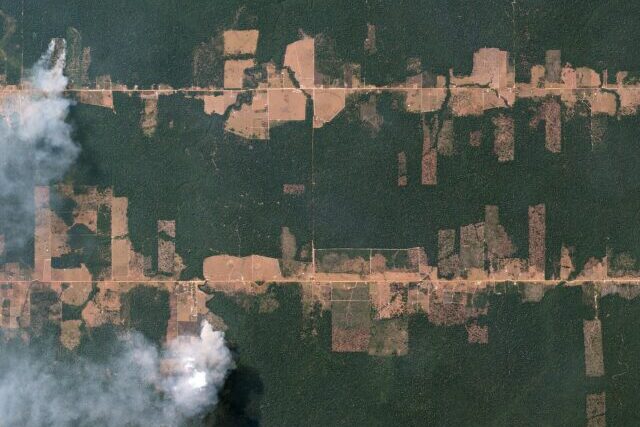
Brazil’s Atlantic forest, the country’s most threatened biome, recorded its lowest level of deforestation in 2025 since monitoring began four decades ago, according to a new report.
The Atlantic forest is Brazil’s most populous biome, home to around 80% of the country’s population and major cities including Rio de Janeiro and São Paulo. Last year, deforestation fell to 8,658 hectares, marking the first time annual forest loss has dropped below 10,000 hectares since records began in 1985.
Conservation groups have welcomed the milestone, saying it demonstrates significant progress in protecting one of the world’s most biodiverse and heavily degraded ecosystems. However, environmentalists warn that political and legislative changes could still threaten future gains.
Deforestation Falls by 40% in a Single Year
Data released by the environmental organisation SOS Mata Atlântica and its partners revealed a substantial decline in forest loss between 2024 and 2025.
One long-term monitoring programme showed deforestation fell by 40%, dropping from 14,366 hectares in 2024 to 8,658 hectares in 2025. During the administration of former president Jair Bolsonaro, annual deforestation exceeded 20,000 hectares in each of his final two years in office.
A second monitoring system, which has been operating since 2022, reported a 28% decline, with forest loss decreasing from 53,303 hectares to 38,385 hectares. This represented the lowest figure recorded since the programme began.
According to SOS Mata Atlântica, the differences between the two datasets are due to the satellite technologies used. The newer monitoring system provides more precise measurements, while the older system offers a longer historical perspective.
Atlantic Forest Remains Under Pressure
Despite the encouraging decline, environmental experts stress that deforestation remains a serious concern.
“It’s a very worrying scenario,” said Luís Fernando Guedes Pinto, executive director of the NGO SOS Mata Atlântica, who added that, with a victory for Bolsonaro, “Brazil could lose the opportunity to be a global environmental leader”.
Pinto also warned of the risks posed by a potential change in government following Brazil’s presidential election later this year.
“We have seen the return of a policy to combat deforestation under the current government … [If Flávio Bolsonaro wins] there is a risk of returning to a path of rising deforestation across all biomes, because his political group – the same as his father’s – is anti-science, denies climate science, and sees nature and forests as obstacles to development,” said Pinto.
Many environmental groups remain concerned that policies similar to those implemented during Jair Bolsonaro’s presidency could lead to increased forest destruction, weakened environmental oversight and greater pressure on Indigenous territories.
Why the Atlantic Forest Is So Important
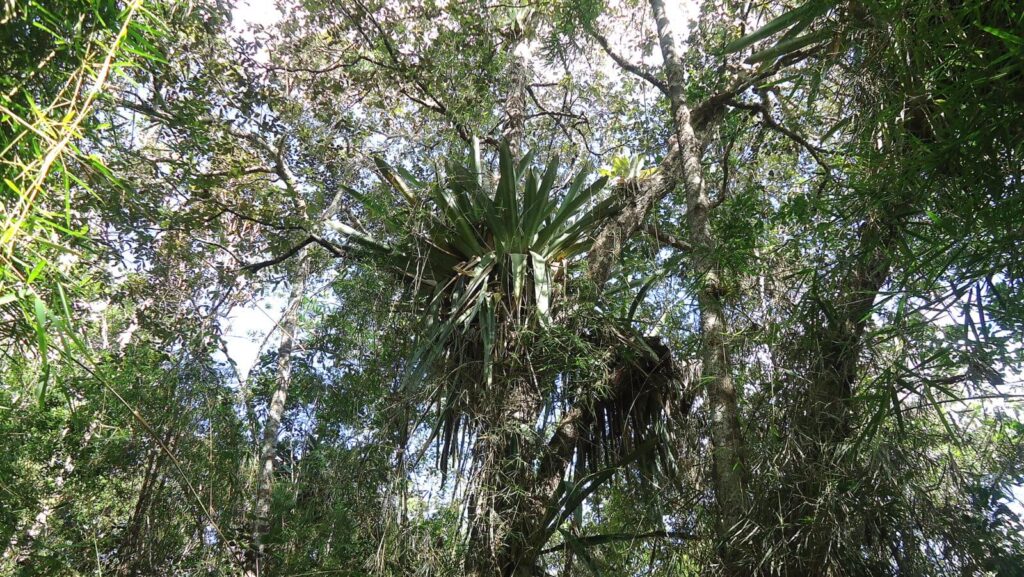
The Atlantic forest is Brazil’s third-largest biome after the Amazon rainforest and the Cerrado savanna. However, it is also the country’s most urbanised and heavily degraded ecosystem.
Today, only around 24% of its original forest cover remains. By comparison, approximately 80% of the Amazon and around 50% of the Cerrado still survive.
The biome supports exceptional biodiversity, provides vital ecosystem services and supplies water resources for many of Brazil’s largest cities. Conservationists argue that protecting the remaining forest fragments is essential for wildlife, climate resilience and human wellbeing.
Despite recent progress, Pinto noted that “deforestation is still high” in the biome, adding that “in the Atlantic forest, every fragment lost makes a huge difference”.
Could Zero Deforestation Be Achieved?
Environmental organisations believe the Atlantic forest could potentially achieve “zero deforestation” within the next three years if current trends continue.
According to SOS Mata Atlântica, recent reductions have been driven by a combination of public pressure, civil society mobilisation, stronger environmental policies and improved enforcement measures.
Conservationists see the latest figures as evidence that coordinated action can significantly reduce forest loss when supported by effective governance and public engagement.
New Environmental Law Sparks Concern
Despite the positive deforestation results, environmental groups warn that a recently approved law could undermine future conservation efforts.
The legislation, described by critics as one of the biggest setbacks to Brazil’s environmental protections since environmental licensing requirements were introduced in the 1980s, significantly weakens federal oversight of deforestation approvals.
Although President Luiz Inácio Lula da Silva vetoed parts of the bill, his vetoes were overturned by Brazil’s largely conservative congress at the end of 2025.
Under the new law, states are no longer required to obtain prior approval from the federal environmental agency before authorising deforestation. Instead, those decisions can be made entirely at the local level. The law’s constitutionality is currently being challenged in Brazil’s supreme court.
Malu Ribeiro, director of public policy at SOS Mata Atlântica, said the law is a “distortion” that puts Brazil at odds with the Paris agreement and could exacerbate climate disasters. “Weakening protection instruments now risks everything we have spent years building,” she added.
Future of Brazil’s Atlantic Forest Hangs in the Balance
The latest figures demonstrate that deforestation in Brazil’s Atlantic forest is moving in the right direction, with 2025 recording the lowest level of forest loss in four decades.
However, conservationists warn that continued progress will depend on strong environmental policies, effective enforcement and political support for forest protection. As debates over environmental legislation and the upcoming presidential election intensify, the future of one of Brazil’s most threatened ecosystems remains uncertain.
.
Support Environmental Conservation Efforts
At Natural World Fund, we support efforts to protect and restore vital forest ecosystems that provide habitats for wildlife, store carbon and help regulate the climate. The significant reduction in deforestation within Brazil’s Atlantic forest demonstrates the positive impact of strong environmental policies, conservation action and public engagement. Protecting the world’s remaining forests is essential for safeguarding biodiversity, strengthening climate resilience and securing a sustainable future for generations to come.
If you care about restoring native wildlife, support the work of Natural World Fund today.
Image sources
- Atlantic_forest,_northeastern_Bahia,_Brazil_(6774206040) by Alex Popovkin. Cropped and resized from original: Wikipedia Commons
- Fishbone_Deforestation,_Rondônia,_Brazil by Planet Labs, Inc. Cropped and resized from original: Wikipedia Commons