
Stoats Reach Orkney’s Outer Isles as Invasive Species Spreads to Rousay
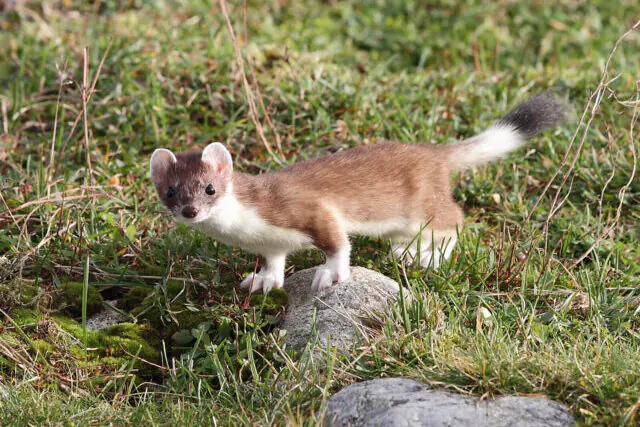
Conservationists have confirmed that invasive stoats have spread from mainland Orkney to the outer island of Rousay, raising fresh concerns for native wildlife and ongoing eradication efforts.
The non-native predator was detected on Rousay last week after being photographed by a camera operated by the Orkney Native Wildlife Project (ONWP), a £15 million stoat eradication programme established in 2019.
Project officials described the discovery as “desperately disappointing”.
Invasive Stoats Expand Beyond Mainland Orkney
Stoats were first discovered in Orkney in 2010. Until now, they had remained confined to the Mainland and the South Isles, which are connected by the Churchill Barriers.
The latest sighting marks the first confirmed spread to one of Orkney’s outer islands, creating new challenges for conservationists working to protect the area’s unique wildlife.
Sarah Sankey, project lead for the ONWP, said:
“We always knew there was a high risk of stoats travelling to more islands and I am actually quite amazed that it’s taken until now to do that.”
How Did the Stoat Reach Rousay?
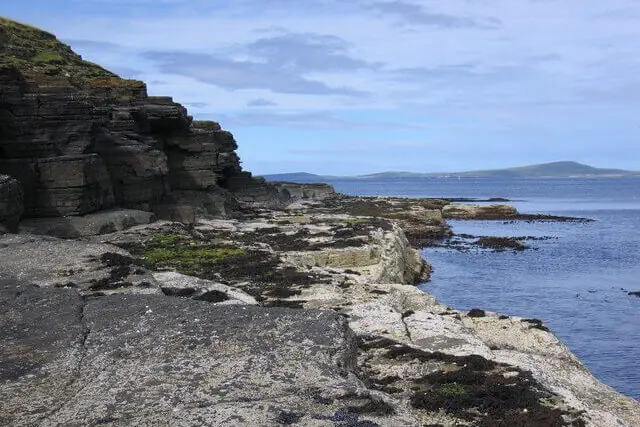
It remains unclear how the animal arrived on Rousay. However, the ONWP noted that the island lies just 1.8 miles (3km) from the mainland, making it possible for a stoat to swim across.
Project representatives have also suggested the animal may have been accidentally transported by human activity or potentially released illegally.
While investigators hope to determine how the stoat reached the island, their immediate focus is on locating and removing it before a population becomes established.
Sankey warned:
“It took less than 10 years for stoats to spread 58,000ha and become the world’s largest stoat eradication, so we can’t sit on our laurels.”
Rapid Response Following Early Signs
The first indication of stoat activity came in early April when scat was discovered on Rousay.
In response, the ONWP quickly deployed a network of traps, trail cameras and AI-enabled cameras designed to alert staff when animals approach.
The presence of a stoat was eventually confirmed through two images captured by a remote camera.
Why the Discovery Is a Concern for Wildlife
The potential impact on Rousay’s wildlife depends largely on how many stoats are present and whether females have reached the island.
Sankey explained:
“Stoats don’t live very long, so a single male by itself is not going to do too much damage – it can’t grow the population.
“Worst case scenario is that we have more than one stoat, and obviously a female in the mix would mean more stoats.
“This is the breeding season so it’s a bad time for this to be happening.
We don’t know if it’s male or female, it’s very difficult to tell from the camera footage.”
The timing is particularly concerning because the ONWP recently reported encouraging signs of recovery among several native species.
In March, the project announced its highest recorded numbers of Orkney voles, hen harriers and short-eared owls since eradication efforts began.
Threat to Rare Orkney Wildlife
Conservationists warn that the arrival of stoats could pose a significant threat to Rousay’s important wildlife populations.
A project spokesperson said:
“Even by Orkney’s high standards, Rousay is an important place for nature – from breeding seabirds to birds of moorland, peatland and lochans like curlews, red-throated divers, hen harriers and short-eared owls.
“It’s also one of the nine islands in Orkney that is home to the Orkney vole, found nowhere else on earth.”
The Orkney vole is found only in the Orkney Islands and is considered one of the region’s most distinctive native species.
Why Eradication Remains the Preferred Option
Although some have questioned whether controlling stoat numbers might be more realistic than eliminating them entirely, Sankey believes long-term population management would be costly and ineffective.
Speaking on BBC Radio Orkney, she said:
“Stoats are quite productive – their breeding strategy means they can increase their numbers quite quickly, so we would never be able to just contain stoats to the Orkney mainland.
“”We tried costing it up and you would be looking at probably a million pounds forever to control stoats on Orkney.
Together with that, there’s a high risk of failure, so it’s not really financially feasible to do that, hence us following that eradication route.”
Conservationists now face a race against time to remove the stoat before it can establish a breeding population and threaten some of Orkney’s most important native wildlife species.
Support UK Environmental Conservation Efforts
At Natural World Fund, we support efforts to protect native wildlife and prevent the spread of invasive non-native species that threaten vulnerable ecosystems. The discovery of stoats on Rousay highlights the importance of conservation action, biosecurity measures and habitat protection in safeguarding unique species such as the Orkney vole, ground-nesting birds and other native wildlife. Supporting biodiversity conservation is essential for maintaining healthy, resilient ecosystems for future generations.
If you care about restoring native wildlife, support the work of Natural World Fund today.
Image sources
- Saviskaill_cliffs by S. Allison. Cropped and resized from original: Wikipedia Commons
- Røyskatt_(Mustela_erminea_erminea),_Lista,_Norway by Marton Berntsen. Cropped and resized from original: Wikipedia Commons