

UK Weather Extremes Linked to Declines in Migratory Warblers, BTO Data Reveals
The UK experienced a year of dramatic weather contrasts, with a mild, wet and stormy winter followed by one of the warmest and driest springs on record. Summer then became the hottest ever recorded, particularly across England and Wales. While such conditions may seem favourable for wildlife, new evidence suggests that many migratory birds struggled during the breeding season.
Data collected by bird ringers and analysed by the British Trust for Ornithology (BTO) indicates that several species of migratory warblers experienced significant declines in 2025. The findings highlight the complex relationship between climate, habitat quality and bird populations, raising concerns about how increasingly extreme weather patterns may affect wildlife in the future.
Extreme UK Weather in 2025
The UK’s weather in 2025 was characterised by sharp seasonal contrasts. Winter brought frequent storms and heavy rainfall, while spring was exceptionally warm and dry. These conditions were followed by the hottest summer recorded since records began, with England and Wales experiencing particularly high temperatures.
Although warmer weather can benefit some species, prolonged heat and drought can reduce insect populations, dry out breeding habitats and affect food availability for birds raising young. For migratory species that have travelled thousands of miles from Africa, successful breeding depends on finding suitable conditions upon arrival.
Migratory Warblers Suffer Significant Declines
According to BTO ringing data, seven of the UK’s eight regularly monitored migratory warbler species experienced declines during the breeding season.
The most severe reductions were recorded in:
- Willow warbler
- Blackcap
- Garden warbler
- Common whitethroat
These species showed significant falls in numbers compared with previous years.
Other species also recorded declines, although at a less severe rate:
- Sedge warbler
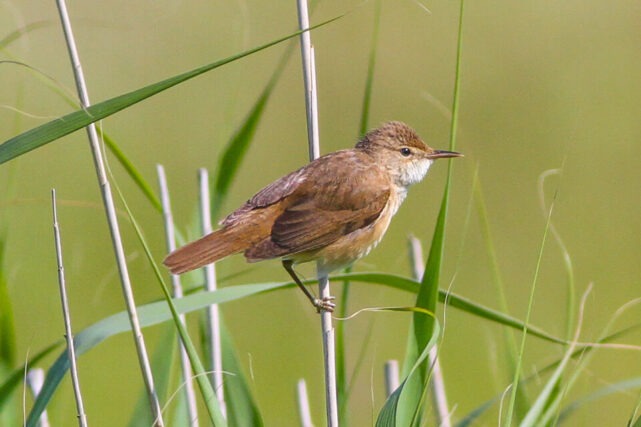
- Reed warbler
- Lesser whitethroat
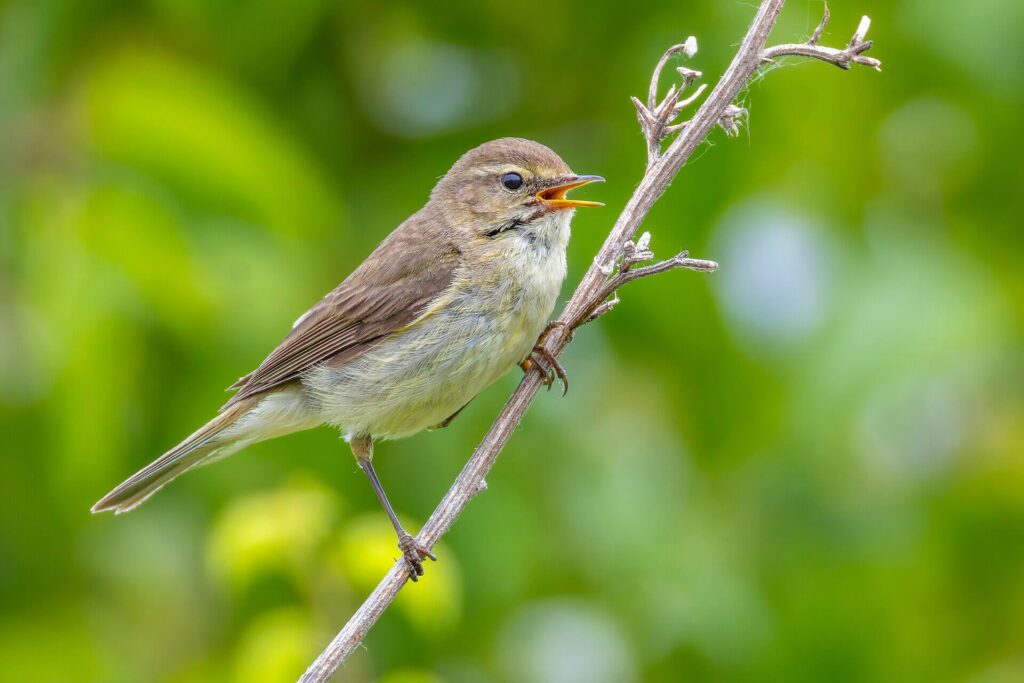
The only species to buck the trend was the chiffchaff, which showed an increase in numbers.
Why Did Chiffchaffs Fare Better?
The chiffchaff differs from many other migratory warblers because it winters much closer to the UK. Large numbers spend the winter in North Africa and the Iberian Peninsula, while some individuals remain in southern Britain throughout the colder months.
Because they travel shorter distances and arrive earlier in spring, chiffchaffs may be better positioned to adapt to changing weather conditions than species undertaking longer migrations from sub-Saharan Africa. Their increase in numbers contrasts sharply with the declines recorded among other migratory warblers.
Mixed Results for Other Bird Species
The BTO’s annual Breeding Bird Surve also revealed contrasting trends among other common British birds.
Pigeons and doves demonstrated particularly mixed fortunes. While populations of woodpigeons and stock doves continued to increase, the UK’s smaller dove species continued to struggle.
Both collared doves and turtle doves recorded further declines, continuing a long-term downward trend that has raised conservation concerns. The turtle dove remains one of Britain’s most threatened farmland birds, facing pressures from habitat loss, reduced food availability and changing environmental conditions.
Climate Change and Bird Population Trends
Scientists caution against linking changes in bird populations to a single season’s weather. Bird numbers can be influenced by a wide range of factors, including habitat loss, land-use change, food availability, predation and conditions encountered during migration or in wintering grounds overseas.
However, the findings come as climate change continues to increase the frequency and intensity of extreme weather events across the UK and beyond. Hotter summers, prolonged droughts, severe storms and shifting seasonal patterns may place additional pressure on wildlife already facing numerous environmental challenges.
For migratory birds, success depends on conditions across multiple countries and continents. Adverse weather at any stage of their annual journey can affect survival rates and breeding success.
The Importance of Long-Term Bird Monitoring
The latest results demonstrate the value of long-term wildlife monitoring programmes. By collecting data year after year, organisations such as the BTO can identify emerging trends and help scientists understand how environmental changes are affecting bird populations.
Thousands of volunteers contribute to bird ringing schemes and surveys across the UK, providing essential information that supports conservation efforts and informs policy decisions. As climate change continues to reshape ecosystems, this monitoring will become increasingly important for protecting Britain’s birdlife.
What These Findings Mean for Conservation
The decline of several migratory warbler species serves as a reminder that favourable weather for people does not always translate into favourable conditions for wildlife. While some species may adapt to changing climates, others may struggle as temperatures rise and weather patterns become more unpredictable.
Protecting and restoring habitats, both in the UK and along migratory routes, will be crucial in helping birds cope with future environmental changes. Continued research and monitoring will also play a vital role in identifying which species are most at risk and what conservation measures are needed to support them.
.
Support UK Environmental Conservation Efforts
At Natural World Fund, we support efforts to protect bird populations and the habitats they depend on. The declines recorded among several migratory warbler species highlight the growing challenges wildlife faces from climate change, habitat loss and environmental pressures. Supporting habitat restoration, species monitoring and nature-friendly land management can help create a more resilient future for Britain’s birds and wider biodiversity.
If you care about restoring native wildlife, support the work of Natural World Fund today.
Image sources
- Common_Chiffchaff_2025_05_24_01 ¡by Alexis Lours. Resized from original: Wikipedia Commons
- Eurasian_Reed_Warbler by Ron Knight. Resized rom original: Wikipedia Commons