

Europe Removes Record Number of River Barriers as Restoration Efforts Accelerate
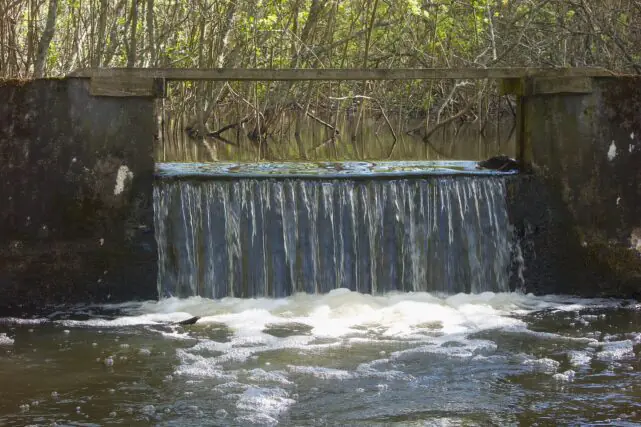
Across Europe, rivers are being reconnected at an unprecedented rate as countries remove obsolete dams, weirs and other barriers that have disrupted natural waterways for decades. New analysis shows that 2025 was a record-breaking year for river restoration, with hundreds of structures dismantled to allow rivers to flow freely once again.
The growing movement reflects increasing recognition of the importance of healthy river ecosystems for wildlife, biodiversity and climate resilience.
Iceland Removes Its First River Dam
In western Iceland, a significant milestone was reached when an ageing dam on the River Melsá was removed, becoming the first official dam removal project in the country’s history.
Located a few miles downstream from a lava field, the structure had originally been built to generate electricity for a nearby farm. However, despite falling into disrepair many years ago, it continued to block fish migration and disrupt the river’s natural flow.
Hydraulic machinery was used to dismantle the barrier, allowing the river to flow freely for the first time in decades.
“It wasn’t providing any electricity; the old power house had sheep living in it,” said Hamish Moir, a river engineer from CBEC, a Scottish firm that provided technical support for the demolition in December.
Moir described the restoration project as a rewarding example of how rivers can quickly recover when artificial barriers are removed.
To see the river restored to its natural state was “really rewarding”, he said.
Record Number of River Barriers Removed Across Europe
The Iceland project forms part of a much larger trend occurring throughout Europe.
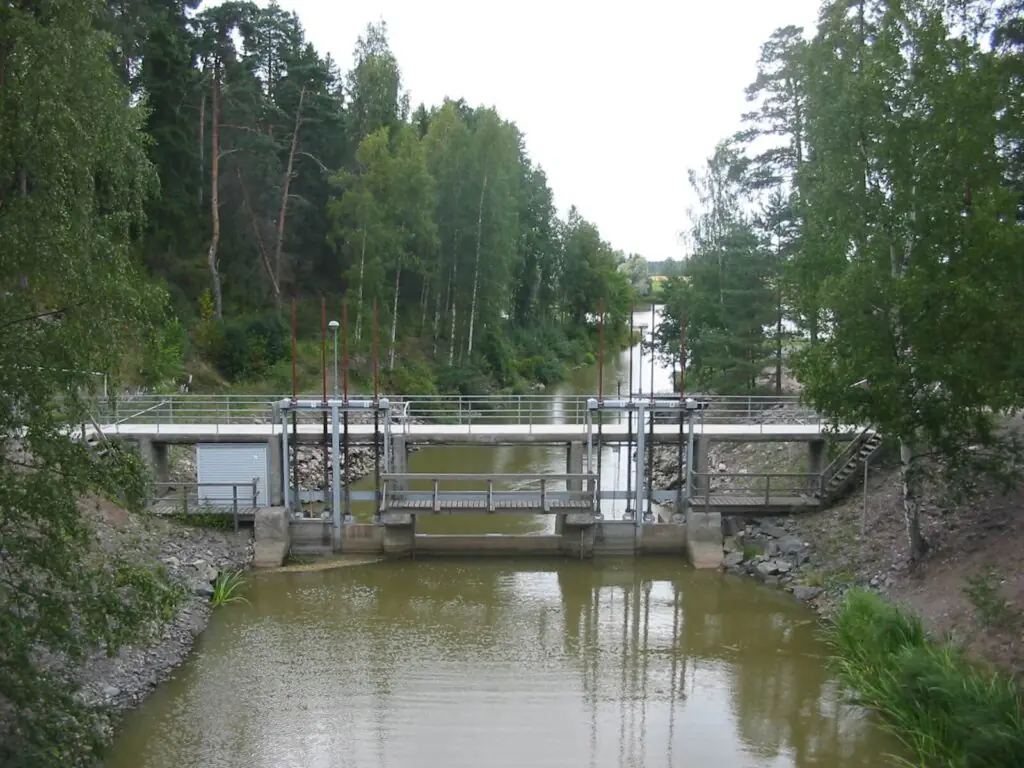
According to new figures from Dam Removal Europe, a record 602 river barriers were removed across the continent during 2025. The total includes dams, weirs, sluices and culverts that had previously fragmented waterways and prevented rivers from functioning naturally.
The number of removals increased by 11% compared with the previous year, highlighting growing momentum behind river restoration projects.
As a result of these removals, approximately 2,324 miles (3,740 kilometres) of rivers were reconnected in 2025 alone, helping the European Union move closer to its target of restoring 15,500 miles of rivers to a free-flowing state by 2030.
Why Free-Flowing Rivers Matter
For centuries, many European rivers were modified to support industry, transport, agriculture and energy production. While these developments contributed to economic growth, they often came at a significant environmental cost.
Chris Baker, director of the European branch of Wetlands International, explained the scale of the challenge.
“For centuries, Europe treated rivers as engines for economic growth – damming them for mills and hydropower, straightening them for navigation, and burying them beneath cities. We built our prosperity by fragmenting our rivers, but the ecological price has been enormous.”
River barriers can disrupt fish migration routes, alter natural water flows, prevent the movement of sediments and reduce habitat quality for many species.
River Restoration Projects Growing Rapidly
The latest report shows that river barrier removals have increased dramatically over the past five years.
Since the first official European count was recorded in 2020, annual removals have increased sixfold. More countries are now joining restoration efforts, with both Iceland and North Macedonia removing river barriers for the first time during 2025.
Several countries led the way in restoring river connectivity:
- Sweden removed 173 barriers
- Finland removed 143 barriers
- Spain removed 109 barriers
- The UK removed 35 barriers
Many of the structures dismantled were relatively small, with more than three-quarters measuring less than two metres in height. These obsolete barriers often no longer serve any useful purpose, making them cost-effective targets for removal.
The Impact of Dams on Freshwater Wildlife
River fragmentation is considered one of the major threats facing freshwater ecosystems worldwide.
When rivers are blocked, migratory fish can struggle to reach breeding grounds, while changes in water flow and sediment transport can damage habitats for countless species.
Researchers believe river barriers have contributed significantly to the decline of freshwater migratory fish across Europe. Populations of these species have fallen by an estimated 75% since 1970.
Notable projects completed in 2025 included the reconnection of the Kriva and Pčinja rivers in North Macedonia and the removal of an obsolete six-metre-high dam on Norway’s Vinstra River.
By restoring natural river processes, conservationists hope to improve conditions for fish, insects, birds and other wildlife that depend on healthy freshwater ecosystems.
Balancing River Connectivity and Invasive Species Risks
While restoring river connectivity offers major ecological benefits, scientists note that there can also be challenges.
Research published last year highlighted what has been described as a “connectivity conundrum”. Artificial barriers can sometimes slow the spread of invasive species, meaning that removing them may create new pathways for non-native plants and animals to expand into previously isolated areas.
Ellen Dolan, a biologist at Queen’s University Belfast and lead author of the study, emphasised the need for careful planning.
“While initial improvements in connectivity can be rapid, stressors such as invasive species can eventually accumulate and erode longer-term conservation value. With careful preparation, monitoring and long-term management, these risks can be minimised.”
Experts say that effective monitoring and long-term management are essential to maximise the benefits of river restoration while reducing potential ecological risks.
Europe’s Rivers Still Face Major Challenges
Despite recent progress, Europe’s rivers remain heavily fragmented.
More than one million barriers are estimated to exist across European waterways, with tens of thousands believed to be obsolete and no longer serving their original purpose.
Recognising the environmental importance of reconnecting freshwater habitats, the European Union’s Nature Restoration Law, which came into force in 2024, specifically includes measures aimed at removing unnecessary barriers and restoring river connectivity.
Global Momentum for Dam Removal
Europe is not alone in pursuing river restoration.
In the United States, waterways are fragmented by more than 550,000 dams and approximately 300,000 road-related barriers. Around 70% of American dams are believed to have exceeded their average design lifespan.
According to American Rivers, 100 dams were removed across the United States during 2025.
Meanwhile, China has undertaken major restoration efforts along the Yangtze River, where hundreds of dams have been removed in recent years to improve ecological conditions and support fish populations.
These projects demonstrate a growing international recognition that healthy, connected rivers are essential for biodiversity conservation and ecosystem resilience.
A Changing Attitude Towards Obsolete Dams
Environmental organisations involved in river restoration argue that attitudes towards ageing infrastructure are beginning to change.
Rather than viewing obsolete dams as permanent features of the landscape, many communities are recognising the environmental costs associated with maintaining structures that no longer serve a useful purpose.
As Chris Baker explained:
“People increasingly understand that obsolete dams are not monuments that must stay for ever. Many are simply ageing industrial relics causing ongoing ecological damage.”
With hundreds of river barriers already removed and restoration efforts accelerating across Europe and beyond, reconnecting rivers is becoming an increasingly important tool in protecting freshwater wildlife and restoring natural ecosystems for future generations.
Support UK Environmental Conservation Efforts
At Natural World Fund, we support efforts to protect bird populations and the habitats they depend on. The declines recorded among several migratory warbler species highlight the growing challenges wildlife faces from climate change, habitat loss and environmental pressures. Supporting habitat restoration, species monitoring and nature-friendly land management can help create a more resilient future for Britain’s birds and wider biodiversity.
If you care about restoring native wildlife, support the work of Natural World Fund today.
Image sources
- Hovirinnankosken_pato by Urjanhai. Cropped and resized from original: Wikipedia Commons
- Dam_fräkenbotten by Jörgen Eriksson. Resized from original: Wikipedia Commons