

Himalayan Balsam Removal Efforts Step Up as Communities Urged to Join ‘Balsam Bashing’ Teams
A conservation organisation is encouraging local communities to help tackle one of the UK’s most widespread and damaging invasive plant species, Himalayan balsam.
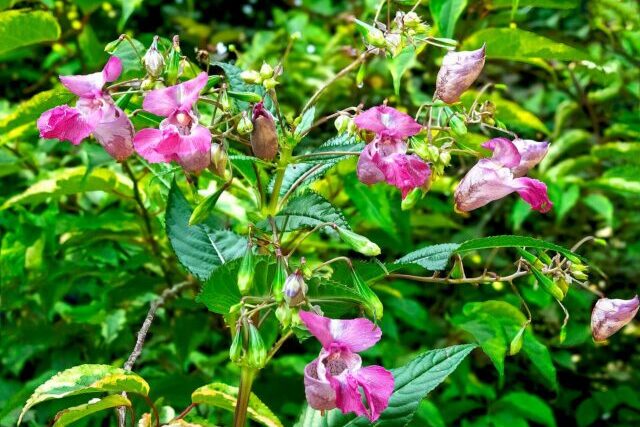
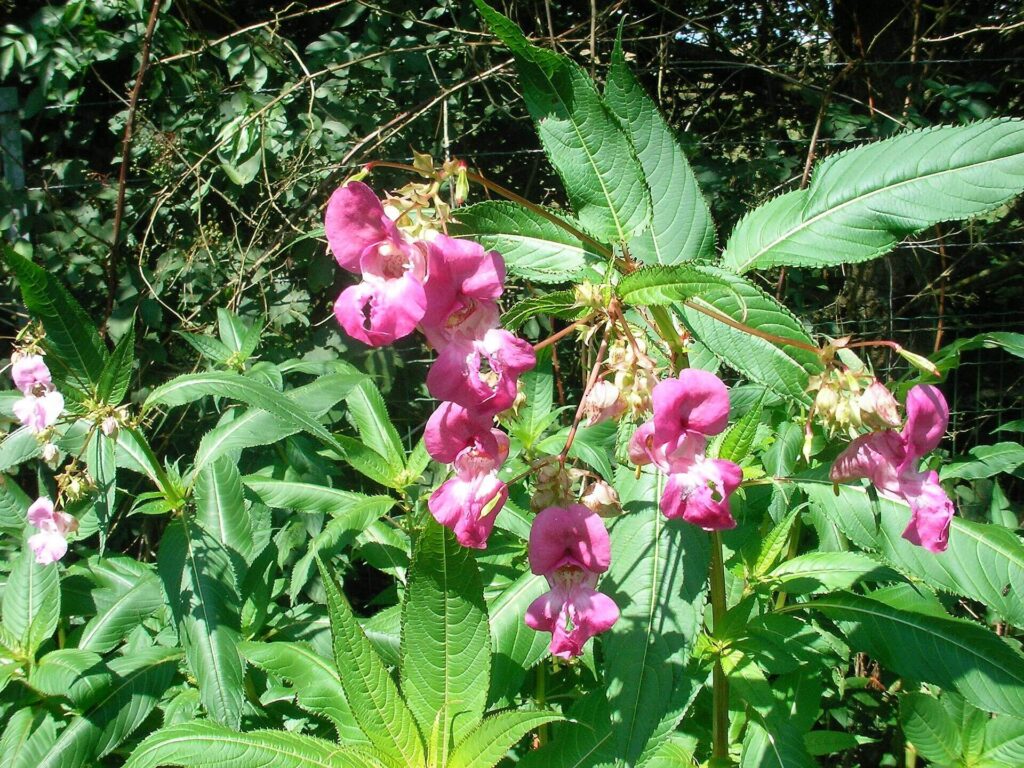
Recognisable by its distinctive pink bonnet-shaped flowers and tall, hollow stems, Himalayan balsam has become a familiar sight along rivers, streams and wetlands across the country. However, environmental groups warn that the plant poses a significant threat to native wildlife and river ecosystems.
Why Himalayan Balsam Is a Problem for UK Wildlife
The West Cumbria Rivers Trust (WCRT) is calling on volunteers to form local “balsam bashing” teams to help remove the invasive species before it spreads further.
Originally native to the Himalayan mountain region, Himalayan balsam was introduced to the UK during the Victorian era as an ornamental garden plant. Over time, it escaped cultivation and spread extensively throughout the countryside, particularly along waterways.
According to WCRT, the plant outcompetes native vegetation by growing rapidly and dominating riverbanks. This reduces biodiversity and leaves riverbanks vulnerable once the plant dies back during winter.
Without the stabilising root systems of native plants, bare soil becomes exposed to erosion, increasing sediment levels in rivers and potentially harming water quality and important habitats used by fish and other wildlife.
Community ‘Balsam Bashing’ Campaigns
To combat the spread of Himalayan balsam, WCRT is providing training sessions and practical support to volunteers. The organisation is helping communities identify areas where the plant is most prevalent, as well as upstream source locations where control efforts can be most effective.
The trust recommends that removal work begins in June and continues throughout the summer growing season, before the plants have a chance to produce and disperse seeds.
The Scale of the Himalayan Balsam Challenge
Izzie Mullin, an invasive species project officer with WCRT, highlighted the extent of the problem.
“It’s been an issue for a long, long time and it’s everywhere across the country.
“But we’re trying to tackle it strategically in our area, which includes the Derwent, Ellen and South Lakes catchments, with community groups working from the top of a catchment down.
“Every plant produces between 800 and 2,000 seeds, and they can pop up to six metres away and spread quite rapidly, also falling into streams and then settling across the floodplain.”
The plant’s remarkable ability to reproduce and disperse seeds makes long-term management particularly challenging. Seeds can travel considerable distances via waterways, allowing new infestations to establish rapidly downstream.
How to Remove Himalayan Balsam Safely
Mullin explained that removing Himalayan balsam is relatively straightforward when carried out correctly.
“It’s a really short-rooted plant so it’s very easy to pull out,” she added.
“But it’s always important to make sure you don’t take it off-site, so put all the dead plants in a pile.”
The recommended method is to pull the plant from the ground by hand and then destroy it by crushing or stamping on the stems. Volunteers are advised to leave the uprooted plants on-site in a pile to prevent accidental spread to new locations.
Protecting Rivers and Native Biodiversity
Conservation groups believe that coordinated community action can play a major role in reducing Himalayan balsam populations and protecting vulnerable river ecosystems. By targeting infestations strategically from the upper reaches of catchments downstream, volunteers can help limit seed dispersal and support the recovery of native plants and wildlife.
Further information about Himalayan balsam removal and volunteer opportunities is available through the West Cumbria Rivers Trust.
Support UK Environmental Conservation Efforts
At Natural World Fund, we support efforts to protect and restore rivers, wetlands and other habitats affected by invasive non-native species. The spread of Himalayan balsam demonstrates how introduced plants can outcompete native vegetation, reduce biodiversity and increase pressures on freshwater ecosystems. Supporting community conservation projects, habitat restoration and effective invasive species management can help safeguard wildlife, improve river health and strengthen the resilience of natural environments for future generations.
If you care about restoring native wildlife, support the work of Natural World Fund today.
Image sources
- Balsamine_de_l’Himalaya_(Impatiens_glandulifera)_(4) by Gzen 92. Cropped and resized from original: Wikipedia Commons
- (MHNT)_Impatiens_glandulifera by Didier Descouens. Cropped and resized from original: Wikipedia Commons