

Illegal Bird of Prey Killings Persist Across Britain Despite Decades of Protection, RSPB Report Finds
Some of Britain’s rarest and most iconic birds of prey continue to be illegally killed despite decades of legal protection, according to a new report from the Royal Society for the Protection of Birds (RSPB).
The report, due to be published on Wednesday, documents 921 confirmed incidents of raptor persecution between 2015 and 2024. More than half of those incidents occurred on or near land managed for gamebird shooting, the charity says.
The findings have renewed calls for tighter regulation of shooting estates and stronger protections for birds of prey across England and Wales.
Hundreds of Confirmed Attacks on Protected Birds
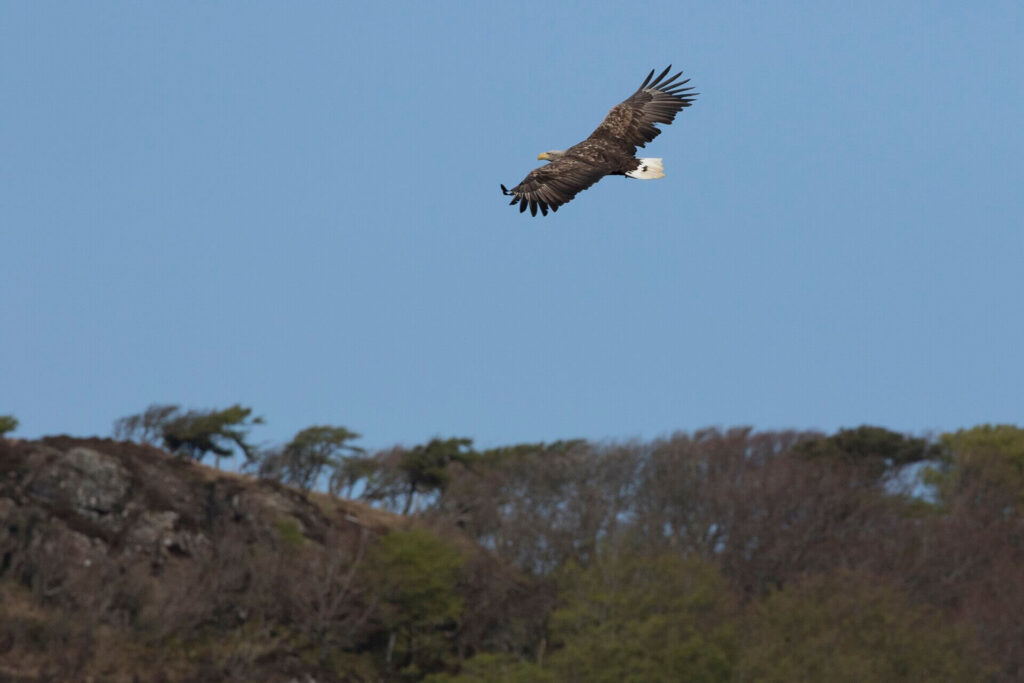
According to the RSPB, the recorded incidents involve a range of protected species, including eagles, red kites, peregrine falcons, hen harriers, goshawks and barn owls.
The charity states that only cases supported by forensic evidence, eyewitness testimony or video footage are classified as confirmed incidents.
Over the past decade, investigators have continued to uncover evidence of illegal persecution despite ongoing conservation efforts and existing wildlife protection laws.
Why Birds of Prey Are Being Targeted
Mark Thomas, head of the RSPB’s investigations unit, believes financial motivations remain a major driver behind many of these crimes.
According to Thomas, birds of prey are often targeted because they can prey on young pheasants, partridges and grouse that are raised or managed for shooting. Reducing predator numbers can increase the number of gamebirds available for paying customers.
The RSPB argues that this long-standing conflict between wildlife conservation and gamebird management continues to contribute to illegal persecution.
RSPB Calls for Licensing of Gamebird Shooting Estates
The charity is urging the introduction of a licensing system for gamebird shooting in England and Wales, similar to measures already introduced for red grouse shooting in Scotland.
Under the proposed system, estates could face licence suspension or removal where evidence suggests protected birds have been illegally killed, even when criminal prosecutions prove difficult to secure.
The RSPB believes this would provide stronger incentives for estates to prevent wildlife crime on their land and improve accountability across the sector.
Recent Convictions Linked to Bird of Prey Persecution
The RSPB’s investigations unit, which includes former police officers and bird experts, has helped secure three convictions during the past year.
Two of the cases involved protected birds being beaten to death after becoming trapped. One incident involved a buzzard, while the other involved a goshawk.
Although certain live-capture traps are legally permitted for controlling pest species such as crows and pigeons, operators are required to inspect traps regularly and release non-target species unharmed.
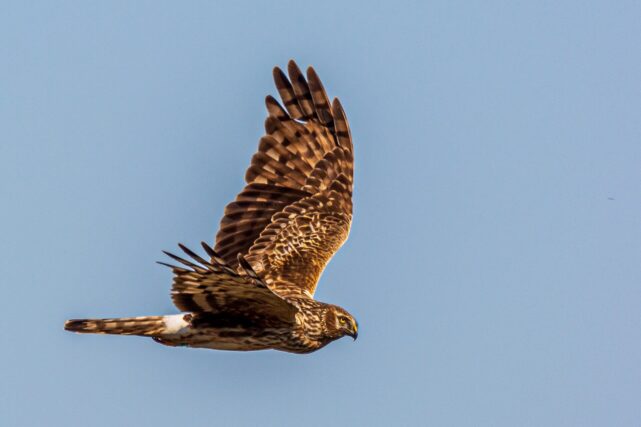
A third case centred on a hen harrier roost in the Yorkshire Dales, where covert surveillance captured evidence of an attempted attack on one of the UK’s rarest birds of prey.
Investigators recorded footage showing head gamekeeper Racster Dingwall arriving with a shotgun, while hidden audio captured discussions about killing protected birds and concerns over satellite tracking devices.
Dingwall later admitted offences connected to an attempt to kill a protected hen harrier and was ordered to pay a fine of £1,520.
Shooting Organisations Reject Claims of Widespread Persecution
Representatives of the shooting industry strongly reject suggestions that persecution is widespread.
They argue that offences are committed by a small minority and should not be used to characterise the wider sector.
Dr Marnie Lovejoy, of the British Association for Shooting and Conservation (BASC), told the BBC:
“What we should do is strengthen law enforcement to prosecute individuals who commit these crimes. They have no place in the modern shooting community.”
Lovejoy argued that introducing licensing requirements would create additional regulation for responsible shooting estates and those working within the sector.
She also highlighted the industry’s contribution to conservation projects, stating that shooting interests invest around £500 million annually in nature recovery and habitat management initiatives.
Government Considering Future Measures
The UK Government has not formally endorsed the RSPB’s licensing proposals but has indicated it is willing to explore potential options with conservation groups and the shooting sector.
A spokesperson for the Department for Environment, Food and Rural Affairs (Defra) told the BBC:
“Many estates already meet high environmental standards, and we want all estates to achieve these same high standards.”
The statement suggests that discussions around licensing and other regulatory measures are likely to continue.
Ongoing Debate Over Conservation and Grouse Shooting
Professor Davy McCracken of Scotland’s Rural College has spent more than three decades studying upland land management and wildlife conservation.
He believes the conflict between protecting birds of prey and managing land for grouse shooting is largely driven by economic considerations.
“That is where the root of the conflict actually lands.”
However, he also agrees that persecution is carried out by only a minority of people involved in game shooting and warns that focusing solely on illegal activity can overlook conservation efforts undertaken elsewhere within the industry.
Protecting Britain’s Birds of Prey
Birds of prey play a vital role in maintaining healthy ecosystems by regulating prey populations and contributing to ecological balance. While conservation efforts have helped some species recover in recent decades, illegal persecution remains a significant challenge.
The latest RSPB findings highlight the continuing debate over how best to protect vulnerable raptors while balancing the interests of land management, conservation and gamebird shooting across the UK.
Support UK Environmental Conservation Efforts
At Natural World Fund, we support efforts to protect birds of prey and the landscapes they depend on. The illegal killing of protected raptor species highlights the ongoing pressures wildlife faces from human activity, land-use conflicts and weak enforcement of environmental laws. Strengthening wildlife protection, improving monitoring and promoting responsible, nature-friendly land management can help safeguard Britain’s birds of prey and support healthier, more resilient ecosystems for wider biodiversity.
If you care about restoring native wildlife, support the work of Natural World Fund today.
Image sources
- White_Tailed_Sea_Eagle_-_geograph.org.uk_-_5362805 by Malcolm Neal. Resized from original: Wikipedia Commons
- Weibliche_Kornweihe_(circus_cyaneus)_-_Spiekeroog,_Nationalpark_Niedersächsisches_Wattenmeer by Stephan Sprinz. Resized from original: Wikipedia Commons