

Dartford Warbler Numbers Reach Record High on RSPB Reserves Following Heathland Restoration
More than 50 years after the Dartford warbler came close to disappearing from the English countryside, the species is showing encouraging signs of recovery.
New survey results reveal that the number of Dartford warblers recorded on RSPB nature reserves has reached its highest level on record, highlighting the importance of long-term habitat restoration and conservation efforts.
Peter Robertson, the reserve’s senior site manager, said:
Being able to hear those calls is the perfect reminder that the hard work is paying off. Helping to maintain then increase numbers, and reverse population declines of species like the Dartford Warbler is very rewarding.”
Record Numbers of Dartford Warblers Recorded in 2025
The latest survey found 264 pairs of Dartford warblers across RSPB-managed reserves in 2025, representing a 44% increase over the past five years. The figures mark the highest number ever recorded on RSPB reserves and provide a positive example of how targeted conservation work can help vulnerable species recover.
A wider heathland bird survey estimates that the UK population now stands at around 4,100 Dartford warblers.
The Dartford Warbler: A Heathland Specialist
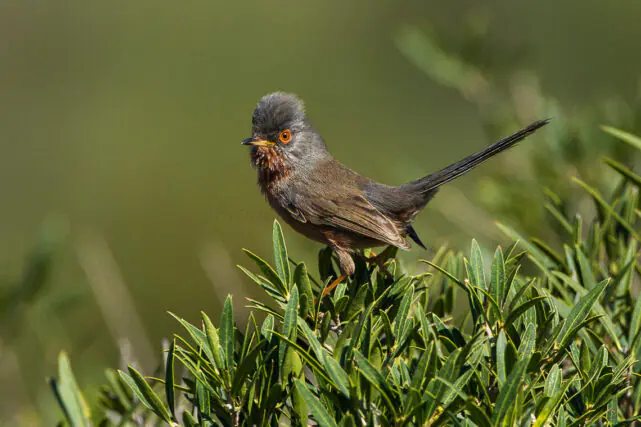
The Dartford warbler is a small, elusive bird typically found on lowland heathland in southern England. Birdwatchers may occasionally spot the species perched atop gorse bushes while delivering its distinctive scratchy song.
The species is recognised by its grey-brown plumage, russet-coloured breast, striking red eye ring and long tail. Dartford warblers depend heavily on mature heathland habitats, particularly areas with dense gorse that provide food, nesting sites and protection from predators.
As a ground-nesting species, the Dartford warbler is especially vulnerable to severe winter weather, which has historically had a significant impact on population numbers.
From the Brink of Extinction to Recovery
During the 1960s, a series of harsh winters caused the Dartford warbler population to collapse. At one point, only a handful of breeding pairs remained in Dorset, leaving the species on the verge of extinction in England.
Since then, conservation organisations, land managers and volunteers have worked to restore and protect heathland habitats, creating conditions that allow the species to recover.
The RSPB credits much of the recent population growth to extensive habitat restoration carried out on its reserves.
Restoring Lowland Heathland Across Southern England
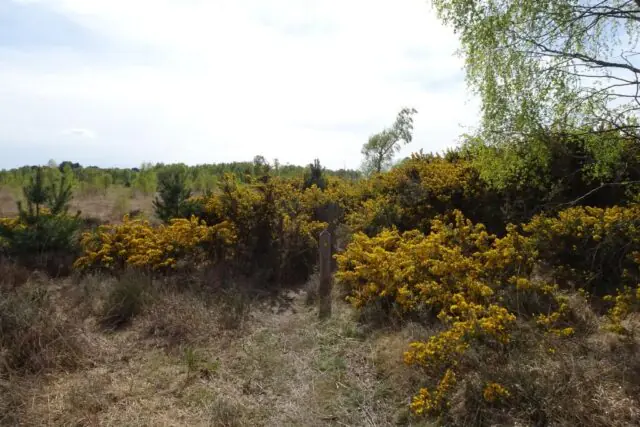
Lowland heathland is one of the UK’s rarest and most threatened habitats. According to the RSPB, around 80% of this habitat has been lost since the 1800s due to forestry, agriculture and changing land use practices.
To reverse this decline, RSPB staff and volunteers have undertaken a range of restoration projects, including:
- Removing non-native conifer plantations
- Returning former arable land to heathland
- Reconnecting fragmented heathland sites
- Encouraging the growth of mature gorse vegetation
These measures help create larger, more resilient habitats that support not only Dartford warblers but a wide variety of heathland wildlife.
Why Gorse Is Essential for Dartford Warblers
Dense, spiky gorse is a critical component of Dartford warbler habitat. The thorny vegetation provides safe nesting locations and valuable shelter throughout the year.
Gorse also supports abundant insect life, including spiders and caterpillars, which form a key part of the bird’s diet. Dartford warblers are skilled hunters that forage among the dense branches in search of prey hidden within the vegetation.
Without healthy gorse stands, the species would struggle to find suitable breeding and feeding areas.
RSPB Arne Leads the Way
Dorset’s RSPB Arne reserve recorded the highest number of Dartford warblers, with 97 breeding pairs counted in 2025.
Peter Robertson said:
“Restoration of heathland across RSPB Arne has been on a landscape scale. Staff and volunteers have helped connect and enlarge fragmented patches of heathland to give wildlife, such as the Dartford warbler, the space to thrive. The sound of Dartford warblers singing is everywhere now.”
The results demonstrate the success of large-scale habitat restoration projects in supporting species recovery.
Strong Numbers Across Other RSPB Reserves
Dartford warblers were recorded at 14 RSPB reserves across southern England. Significant populations were also found at:
- RSPB Minsmere, Suffolk – 41 pairs
- RSPB Aylesbeare, Devon – 25 pairs
- RSPB Farnham Heath, Surrey – 23 pairs
- RSPB North Warren, Suffolk – 17 pairs
- RSPB Broadwater Warren, Kent – 15 pairs
Notably, both Farnham Heath and Broadwater Warren were conifer plantations just two decades ago, demonstrating how habitat restoration can transform landscapes and benefit wildlife.
A Positive Future for Heathland Wildlife
The recovery of the Dartford warbler highlights the value of sustained conservation investment and habitat management. While lowland heathland remains one of Britain’s most threatened habitats, the latest survey results show that targeted restoration work can help reverse declines and create thriving environments for wildlife.
As heathland restoration projects continue across southern England, conservationists hope the Dartford warbler’s recovery can serve as a model for protecting other species that depend on these rare and valuable landscapes.
Support UK Environmental Conservation Efforts
At Natural World Fund, we support efforts to restore and protect vital habitats that help wildlife recover and thrive. The resurgence of the Dartford warbler demonstrates how long-term conservation action, habitat restoration and dedicated volunteer work can reverse declines in vulnerable species. Protecting and reconnecting heathland landscapes will remain essential for safeguarding Dartford warblers and the many other plants and animals that depend on these unique ecosystems.
If you care about restoring native wildlife, support the work of Natural World Fund today.
Image sources
- Gorse_on_Strensall_Common_-_geograph.org.uk_-_8026039 by DS Pugh. Resized from original: Wikipedia Commons
- Dartford_Warbler_-_Arenzano_-_Italy_322_(26073040874) by Francesco Veronesi. Resized from original: Wikipedia Commons