

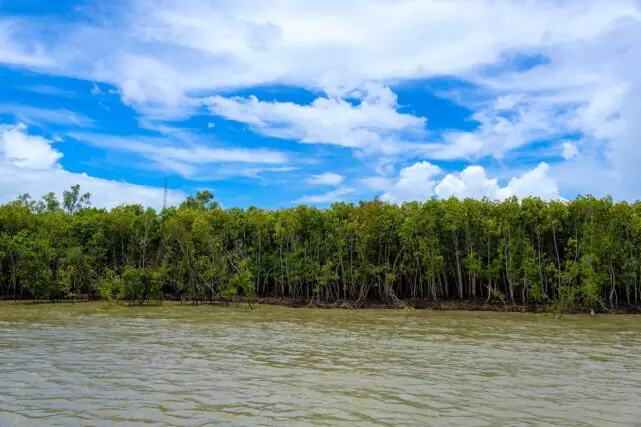
Global Mangrove Forests Make Remarkable Recovery as Conservation Efforts Pay Off
The world’s coastal mangrove forests are making an encouraging comeback after decades of decline, according to new research. Once rapidly cleared for aquaculture, agriculture and coastal development, these vital ecosystems are now expanding in many regions thanks to stronger legal protections, restoration efforts and growing public recognition of their importance.
Scientists say the recovery is particularly significant because mangroves protect coastal communities from storms, support marine biodiversity and store vast amounts of carbon, making them one of the planet’s most valuable natural defences against climate change.
Mangroves Rebounding After Years of Loss
For decades, mangrove forests were disappearing at an alarming rate as they were cleared for fish farms, housing developments and other human activities.
Between the 1980s and 2010, more than 12,000 square kilometres of mangroves were lost across Asia, Africa and the Americas—an area roughly the size of Jamaica.
However, researchers have now found that since 2010 the world has been gaining more mangroves than it has been losing. Net losses since the 1980s have fallen dramatically to around 849 square kilometres, reflecting a major reversal in global trends.
Why Mangroves Matter for People and Wildlife
Mangroves provide a wide range of environmental benefits that extend far beyond their coastal habitats.
They can store up to five times more carbon dioxide than many land-based forests, helping to reduce greenhouse gases in the atmosphere. Their dense root systems also slow incoming waves, reducing the impact of storm surges and tsunamis on nearby communities.
At the same time, these roots create ideal nursery habitats for fish and numerous other marine species, offering protection from predators and abundant feeding opportunities that support healthy coastal ecosystems.
Natural Regeneration Driving Global Recovery
While restoration projects have contributed to the rebound, researchers say one of the biggest reasons for the improvement is the natural ability of mangrove forests to regenerate when human pressures are removed.
As deforestation has slowed in several countries, mangroves have been able to expand naturally, helping stabilise forest cover in Indonesia and increase it in Myanmar, two nations with some of the world’s largest mangrove ecosystems.
Tsunami and Cyclone Changed Public Perceptions
Researchers believe major natural disasters helped increase awareness of the value of mangrove protection.
In Indonesia, the devastating Indian Ocean tsunami of 2004 highlighted the role mangroves can play in shielding coastlines.
Lead author Dr Zhen Zhang from Tulane University explained:
“Some islands were covered by mangroves and after the tsunami those islands were [still] protected very well, so that increased public awareness about the importance of protecting mangroves.”
Myanmar experienced a similar shift following Cyclone Nargis in 2008, while a national logging ban introduced in 2016 also contributed to protecting existing forests.
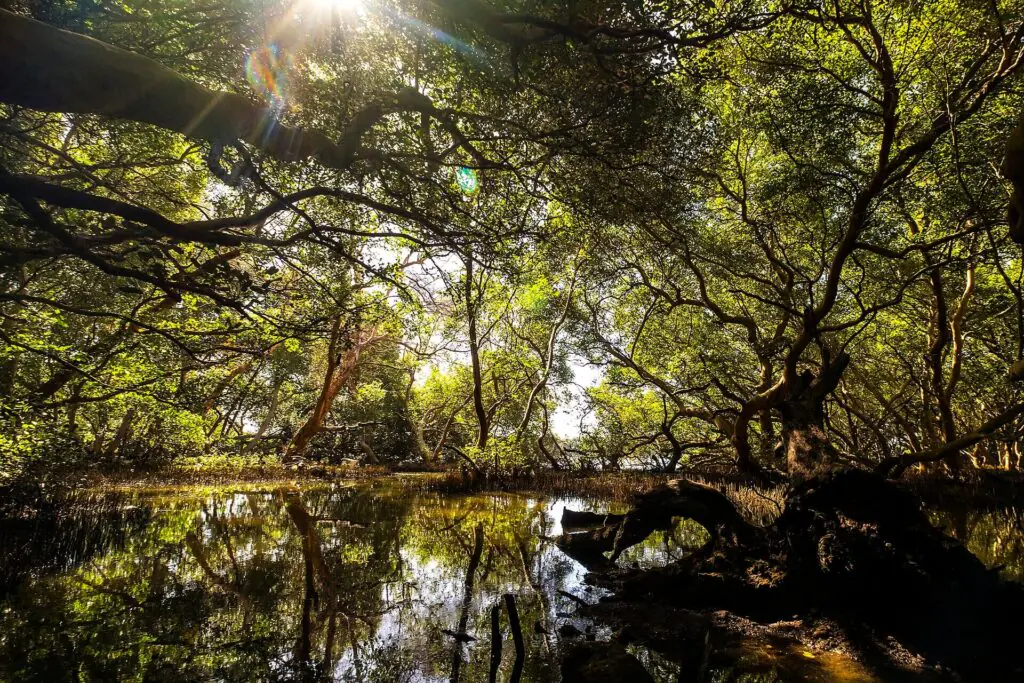
Satellite Technology Reveals More Mangroves Than Previously Known
The study also benefited from advances in satellite monitoring technology.
Researchers used imagery from the Landsat satellite system, allowing them to detect canopy changes with greater precision and identify many previously overlooked areas of mangrove growth.
Commenting on the findings, Prof Elizabeth Robinson, director of the Grantham Research Institute, said:
“This imagery came from the Landsat satellite “which is highly sensitive to canopy changes, and provides globally consistent observations that previous assessments may have missed.”
She added:
“This is a considerable advance on earlier global assessments.”
Some Growth May Reflect Problems Elsewhere
Although expanding mangrove forests are generally positive news, researchers caution that some growth may be linked to environmental degradation upstream.
In countries including Brazil, nutrient-rich sediments carried into rivers have encouraged mangrove expansion along coastlines. However, those nutrients may result from deforestation and mining activities further inland, which wash nitrogen and other materials into waterways.
Dr Pete Bunting from Aberystwyth University noted:
“This is good news for mangroves – there are more of them than we thought, and they are showing their resilience.”
He added:
“But it is only really good news if it is not a complete mess upstream.”
West and Central Africa Continue to Face Serious Threats
Despite the encouraging global picture, mangrove destruction remains severe in several regions.
West and Central Africa have become major hotspots for losses, with pollution and industrial activity continuing to damage coastal ecosystems.
Referring to Nigeria’s coastal wetlands, Dr Pete Bunting said:
“The Niger Delta is the poster child for mangrove pollution impact.”
He continued:
“Oil pollution is having massive impacts – and if you look at Google Earth you can see straight lines through the mangroves where the pipelines are.”
In addition to human activities, tropical cyclones continue to cause significant annual losses in mangrove forests from Australia to the Caribbean.
Healthier Mangrove Forests Offer Hope for the Future
Alongside expanding coverage, many existing mangrove forests are becoming healthier. The study found that since the 1980s the proportion of closed-canopy mangroves—the densest and most carbon-rich form of these ecosystems—has increased by nearly 20%.
Researchers believe this demonstrates that conservation measures and reduced deforestation are making a measurable difference.
Summarising the overall trend, Dr Zhen Zhang said:
“We are moving in the right direction because you can see a very clear trend of decreased loss rate.”
He concluded:
“So, I think we are going the right way.”
Protecting Rare Animals and Their Habitats in the UK
At Natural World Fund, we support conservation projects that protect vulnerable habitats and the wildlife that depends on them. The challenges facing Farlington Marshes highlight the growing pressures that climate change, rising sea levels and ageing infrastructure can place on important coastal ecosystems. Supporting habitat restoration, wetland conservation and long-term environmental management can help safeguard these valuable landscapes for future generations.
If you care about restoring native wildlife, support the work of Natural World Fund today.
Image sources
- Mangrove_Forests_in_the_Philippines by FroyR. Cropped and resized from original: Wikipedia Commons
- Dense_Mangrove_Forest_of_the_Sundarban_Tiger_Reserve_during_High_Tide,_West_Bengal,_India_03 by Kingshuk Mondal. Cropped and resized from original: Wikipedia Commons