

Bottlenose Dolphins Turn to Trawlers as Overfishing Depletes Adriatic Sea Food Supply
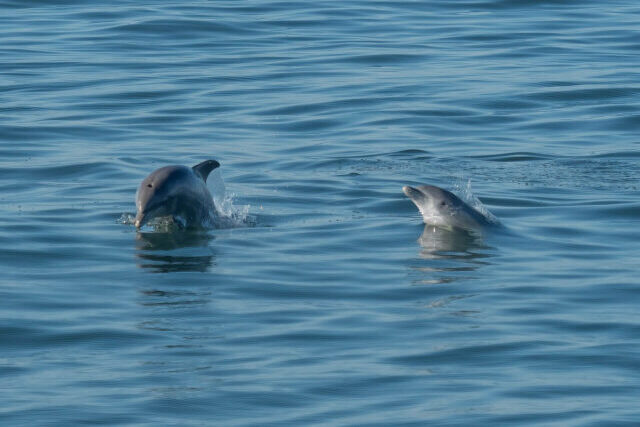
Baby bottlenose dolphins in the Adriatic Sea are learning to follow fishing trawlers from their mothers as natural prey becomes increasingly scarce, according to new research.
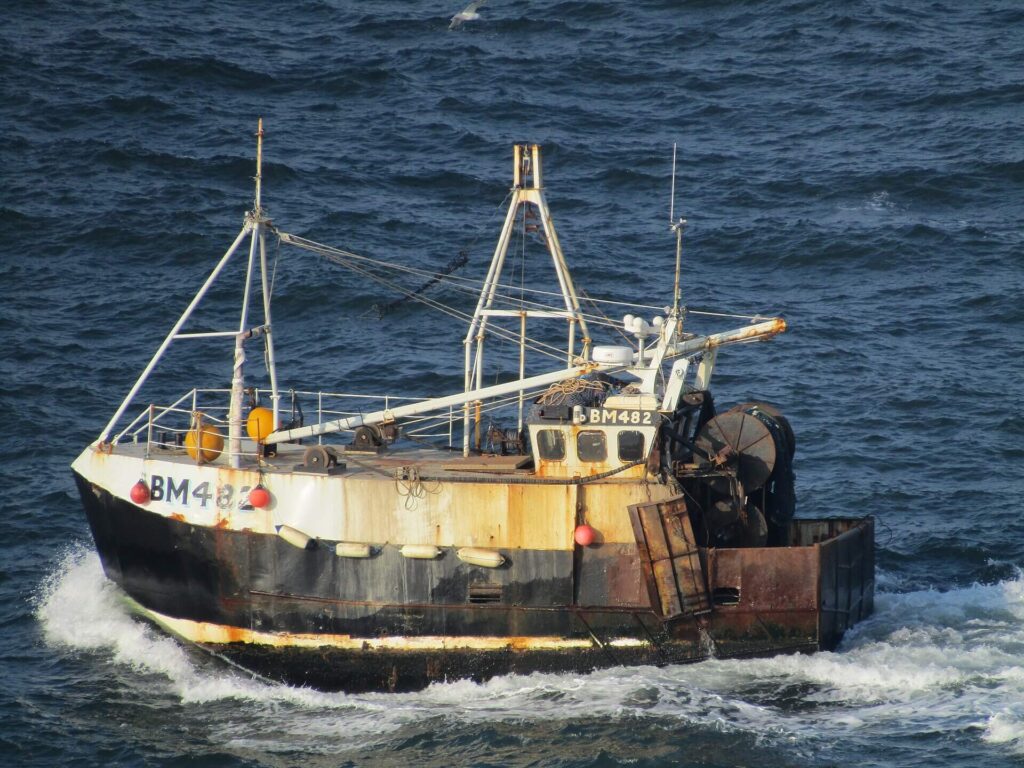
Scientists say the growing reliance on trawlers highlights the severe impact of overfishing in the Mediterranean, with dolphins increasingly scavenging discarded fish and other unwanted catch instead of hunting naturally.
Dolphins Increasingly Depend on Fishing Boats
Researchers monitored offshore trawlers in the Adriatic Sea over 148 days, conducting 859 inspections across two regions and multiple types of fishing vessels.
While bottlenose dolphins have long been known to follow fishing boats, the study found the behaviour has intensified dramatically over recent decades.
A study carried out during the 1990s found dolphins following around 10% of trawlers in the Adriatic. In the latest research, scientists recorded dolphins trailing as many as 76% of trawlers in one study area.
Giovanni Bearzi, co-author of the study and president of Dolphin Biology and Conservation in Italy, said:
“These days the easiest way to find [bottlenose dolphins] is to look for trawlers.
“Many of them are followed by the dolphins that go to forage and scavenge in their wake.
“When I say scavenge, I mean that they also feed on discards and unwanted organisms. Dolphins are following the trawlers because natural prey is very hard to find. Why is it hard to find? It’s overfished.
“The Mediterranean Sea is one of the areas with the highest rates of fishing worldwide. The fishing pressure in the Mediterranean is twice the level considered sustainable by the FAO [UN Food and Agriculture Organization].”
Overfishing Is Changing Dolphin Behaviour
The researchers say the dolphins’ behaviour mirrors that seen in other wildlife populations where food sources have been depleted by human activity.
Animals facing shortages of natural prey often begin exploiting food associated with people. Examples include polar bears scavenging rubbish dumps and marine mammals feeding behind commercial fishing vessels.
Although bottlenose dolphins are highly adaptable predators and may find it easier to catch fish around trawlers, scientists warn that this strategy comes with significant risks.
Following Trawlers Carries Serious Risks
Dr Randall Reeves, one of the study’s authors and chair of the Committee of Scientific Advisors at the US Marine Mammal Commission, said:
“It is known that bottlenose dolphins are occasionally injured or killed by trawl gear, and that foraging behind trawlers can affect dolphins’ diet, social organisation and communication.
“Dolphins may also suffer hearing damage that results from chronic exposure to the noise of trawlers. However, finding sufficient prey away from trawlers in an overfished sea may be too difficult. It appears that for these animals, taking the risks is better than going hungry.”
The findings suggest that many dolphins now face a difficult trade-off between exposure to dangerous fishing operations and the challenge of finding enough food elsewhere.
Baby Dolphins Learn the Behaviour from Their Mothers
Researchers also discovered that young dolphins are learning this feeding strategy through observation rather than instinct.
Bearzi explained:
“The baby dolphins follow the trawlers with their mothers, watch the adults foraging and learn that kind of behaviour. It is transmitted culturally.”
This cultural transmission means the behaviour could become increasingly widespread as new generations adopt the same survival strategy.
Mediterranean Marine Ecosystem Shows Signs of Decline
Scientists say the growing dependence on trawlers reflects the wider deterioration of the Adriatic’s marine ecosystem.
Bearzi pointed to the disappearance of another familiar marine mammal as evidence of the changing environment.
“The common dolphins are not common any more,” Bearzi said. “Except for a very few hotspots in the Adriatic, they have virtually vanished. One species has gone and that is not a good sign. It’s a warning sign.”
The loss of common dolphins and the changing behaviour of bottlenose dolphins both underline the pressures facing Mediterranean marine biodiversity.
Scientists Call for Less Destructive Fishing
The researchers argue that reducing destructive fishing practices would allow fish populations to recover, benefiting both marine ecosystems and the dolphins that depend on them.
Bearzi said:
“When I was younger, I just wanted to study the behaviour of dolphins. I wouldn’t even think about human encroachment back then. But what we saw [in past research] is entire communities of dolphins disappearing. If you stop destructive fishing, the marine resources would bloom very quickly. Dolphins would be able to feed again on their natural prey, as they did for centuries in this same area.
“Fish less. Fish in less destructive ways. This is really the message.”
The study, Bottlenose Dolphin Reliance on Trawlers in Prey-depleted Adriatic Sea Regions, was published in Frontiers by Giovanni Bearzi, Silvia Bonizzoni, Nathan B. Furey and Randall R. Reeves, who have spent decades studying dolphin behaviour in the Mediterranean.
“The UK may account for just 1% of current global emissions, but we’re responsible for 100% of our own emissions, and we have the opportunity to show global leadership by bringing them down.”
Protecting Wildlife for Future Generations
At Natural World Fund, we believe healthy oceans depend on sustainable fishing, thriving marine ecosystems and the protection of wildlife that has evolved alongside them. Supporting conservation science and promoting responsible stewardship of our seas can help ensure dolphins and countless other marine species continue to thrive in their natural habitats for generations to come.
If you care about restoring native wildlife, support the work of Natural World Fund today.
Image sources
- Brixham_Trawler_BM482_off_Berry_Head (1): Wikipedia Commons
- Bottlenose_dolphins_(00986) by Rhododendrites.: Wikipedia Commons