

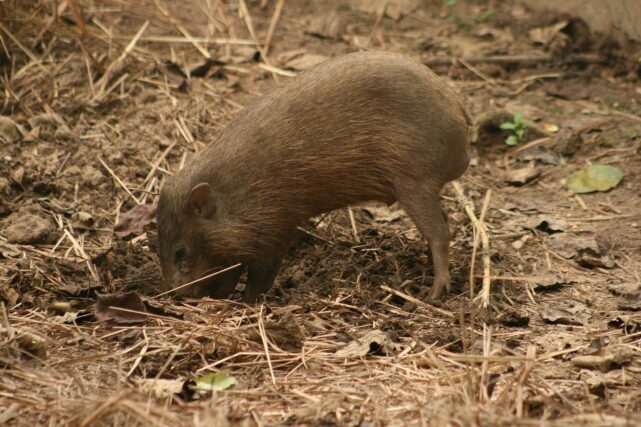
World’s Smallest and Rarest Pygmy Hogs Released Into the Wild in India
Fifteen of the world’s smallest and rarest pigs have been released into the wild in India as part of a long-running conservation programme that has helped pull the species back from the brink of extinction.
The latest reintroduction, led by Jersey’s Durrell Wildlife Conservation Trust, marks another milestone in efforts to restore the endangered pygmy hog population in Assam’s Manas National Park.
Pygmy Hog Saved From the Brink of Extinction
The Durrell Wildlife Conservation Trust has been working in the Kuribeel grasslands of Manas National Park, Assam, to protect the critically endangered pygmy hog.
In 1996, six pygmy hogs were taken from the grasslands to establish a captive breeding programme designed to prevent the species from disappearing forever.
The Pygmy Hog Conservation Programme was created to protect the tiny mammals, which were once believed to be extinct.
However, the species was dramatically rediscovered in 1971 when a small group was found sheltering from a grassland fire in a neighbouring tea plantation.
Nearly 200 Pygmy Hogs Successfully Reintroduced
Since the programme began, conservationists have bred and released 194 pygmy hogs into the wild.
They have also spent the past eight years restoring grassland habitat. There had been no signs of a wild pygmy hog population there for around a decade.
Rebecca Brewer, chief executive of the Durrell Wildlife Conservation Trust, said the organisation was delighted with the progress.
“proud” to lead the initiative that had “saved the pygmy hog from extinction and helped the wild population to grow and thrive in their historic home once again”.
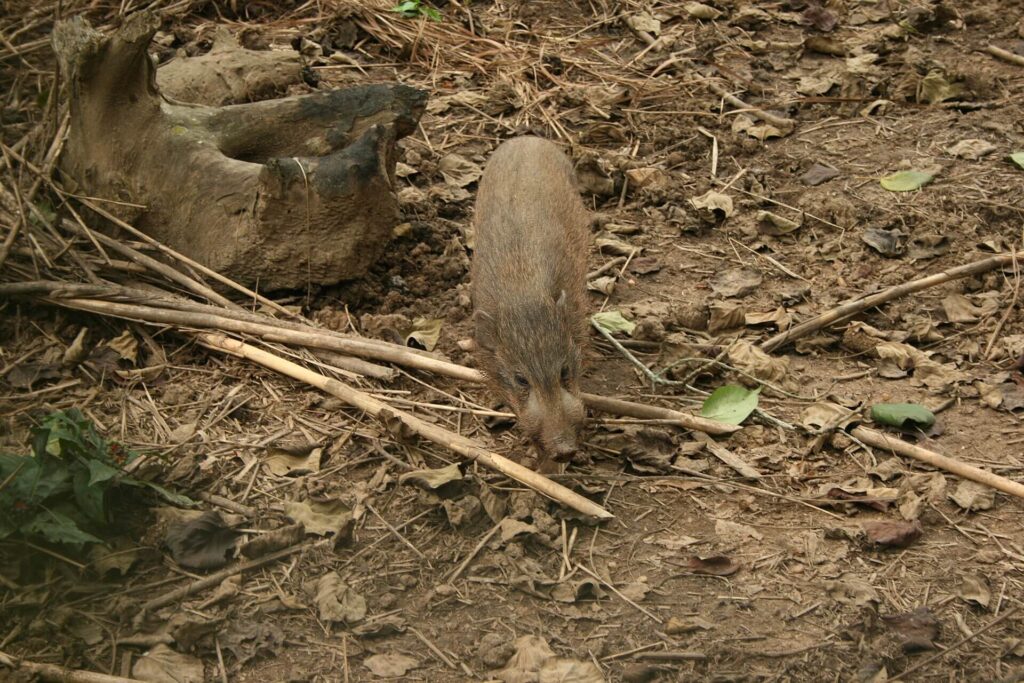
Conservationists Aim for 300 Wild Pygmy Hogs by 2040
The team plans to release another 80 pygmy hogs over the next five years.
Their goal is to rebuild a wild population of 300 animals by 2040.
Monitoring released animals remains a crucial part of the conservation effort.
Dr Parag Jyoti Deka, director of the conservation programme, said post-release monitoring would continue to improve.
“The most recent release involving camera-trap and sign surveys along with a radio-telemetry tracking of five pygmy hogs to assess their behaviour, survival, and habitat use after reintroduction,” he said.
Deka added every additional step taken would allow them to “learn and create a better, stronger future for this fascinating species”.
Grassland Restoration Benefits Wildlife
The project not only protects one of the world’s rarest mammals but also helps restore Assam’s threatened grassland ecosystems, benefiting many other native species.
Dr Vinay Gupta, principal chief conservator of forests and chief wildlife warden of Assam, described the programme as a significant success.
He said the reintroduction was a “remarkable conservation achievement” and such efforts “are vital for restoring grassland ecosystems and safeguarding threatened species”.
The continued restoration of Manas National Park’s grasslands, combined with captive breeding and carefully monitored releases, offers renewed hope that the pygmy hog will once again establish a secure future in the wild.
Protecting Freshwater Wildlife and River Ecosystems
At Natural World Fund, we support evidence-based conservation and habitat restoration that helps restore healthy rivers and protect the wildlife that depends on them. Success stories like the pygmy hog show that long-term conservation, habitat restoration and species recovery programmes can bring animals back from the brink of extinction. Healthy ecosystems are vital for biodiversity, whether they are grasslands, forests, wetlands or rivers. By restoring degraded habitats and protecting native species, we can strengthen nature’s resilience and ensure wildlife has the best chance of thriving in a changing world.
If you care about restoring native wildlife, support the work of Natural World Fund today.
Image sources
- Pygmy_Hog_Research_and_Breeding_Centre_IMG_3698 by PJeganathan. Resized from original: Wikipedia Commons
- Pygmy_Hog_Research_and_Breeding_Centre_IMG_3756 by PJeganathan. Cropped and resized from original: Wikipedia Commons