
Cornwall Seagrass Restoration Project Aims to Revive Marine Habitats
A major new conservation project is set to restore marine habitats in Cornwall, rebuild native oyster populations and create healthier underwater ecosystems in Falmouth Bay.
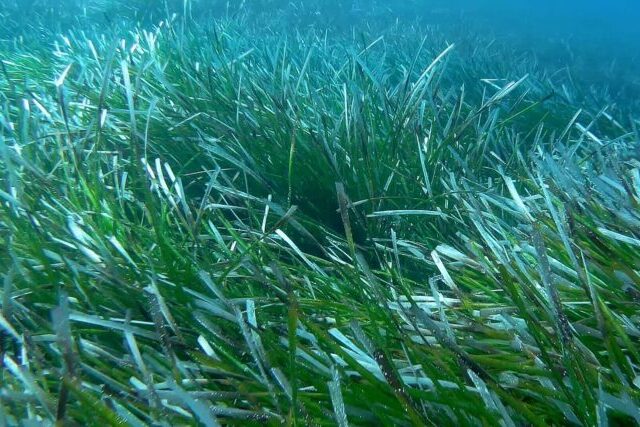
The £1.8 million Mor Nature initiative will become the largest seagrass restoration project ever undertaken in the UK, with plans to restore 10 hectares of seagrass meadow in Falmouth Bay over the next three years.
Led by Cornwall Wildlife Trust (CWT) in partnership with the Ocean Conservation Trust (OCT), the project aims to tackle biodiversity loss, improve water quality and strengthen the resilience of Cornwall’s coastline.
Restoring 10 hectares of seagrass in Falmouth Bay
Mor Nature is Cornwall’s first seascape-scale marine restoration initiative and will focus on restoring interconnected marine habitats rather than individual species or ecosystems in isolation.
The three-year project brings together a wide range of partners, including Falmouth Harbour, Cornwall Council, the Zoological Society of London, the University of Exeter, the Duchy of Cornwall, Falmouth Marine Conservation Group and other local organisations.
Andy Cameron, OCT conservation project manager, said Mor Nature represented “a major milestone for marine restoration in the UK”.
He said: “We’re not simply planting seagrass; Mor Nature represents the holistic cultivation of an entire underwater garden, nurturing the relationships between interdependent species and habitats that will allow a plethora of marine life to thrive.
“We’re helping to rebuild an interconnected marine ecosystem that supports wildlife, strengthens coastal resilience and delivers benefits for local communities.”
Why seagrass restoration matters
Seagrass meadows are among the most important marine habitats in the ocean. They provide shelter and food for a wide range of species while helping to improve water quality, capture and store carbon, and protect coastlines from erosion.
Restoring seagrass can therefore deliver benefits far beyond the plants themselves. Healthy seagrass meadows form part of complex underwater ecosystems that support fish, invertebrates and other marine wildlife.
For Cornwall, restoring these habitats could also help strengthen coastal ecosystems against the pressures created by climate change, pollution and biodiversity loss.
Creating healthier marine habitats in Falmouth Bay
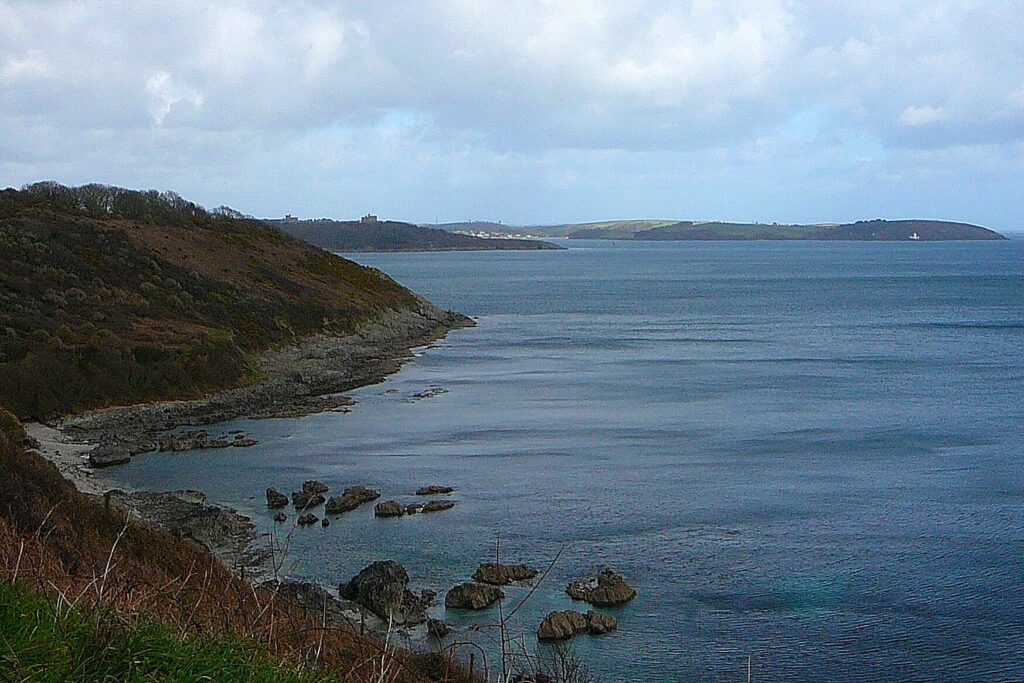
The restoration site will stretch between Swanpool and Pendennis Castle in Falmouth Bay.
The project builds on marine protection measures introduced by the Ocean Conservation Trust in 2022, including Sensitive Habitat Marker Buoys and voluntary no-anchor zones. These measures were designed to protect fragile seabed habitats from damage.
Cornwall Wildlife Trust has also been mapping and monitoring existing seagrass meadows in the area. Mor Nature will build on this work by expanding seagrass restoration while working with local fishers and community groups.
Restoring native oysters in Cornwall
Alongside seagrass restoration, Mor Nature will support the creation of new native oyster nurseries in the Helford.
Native oysters were once an important part of Cornwall’s marine ecosystems. Restoring their populations could help re-establish ecological functions that have been lost as oyster numbers have declined.
The restored marine habitats are expected to provide better conditions for species including seahorses, spider crabs, cuttlefish, bass and sharks.
Dr Dan Barrios-O’Neill, CWT’s head of marine conservation, said: “Native oysters were once a defining feature of Cornwall’s seas, creating thriving underwater habitats that supported wildlife, fisheries and coastal communities.
“Through Mor Nature, we have an opportunity to restore not only oyster populations, but the ecological functions they provide.”
Rebuilding Cornwall’s marine ecosystems
Projects such as Mor Nature demonstrate why effective nature restoration needs to look at ecosystems as connected systems.
Seagrass meadows, oyster reefs and other marine habitats can interact to provide food and shelter for wildlife, improve water quality and contribute to healthier coastal environments.
By restoring these habitats together, the Mor Nature project aims to create a more resilient marine ecosystem while delivering benefits for wildlife and the communities that depend on Cornwall’s coast.
Marine restoration is an important part of the wider effort to reverse biodiversity loss and rebuild the natural world. From restoring seagrass meadows and native oyster populations to protecting wetlands, woodlands and peatlands on land, nature recovery depends on restoring the habitats that allow ecosystems to function.
Restoring Nature and Protecting Wildlife in the UK
At Natural World Fund, we believe conservation must go beyond protecting what remains. We need to restore the natural systems that wildlife and people depend upon.
Image sources
- Falmouth_Bay_(2388264792) by Tim Green. Cropped and resized from original: Wikipedia Commons
- Seagrass_1 by Milorad Mikota. Cropped and resized from original: Wikipedia Commons