

Record El Niño Could Bring Extreme Weather and New Risks for Nature in 2027
A powerful El Niño event is developing in the Pacific Ocean, raising concerns about extreme weather, rising global temperatures and growing pressure on ecosystems around the world.
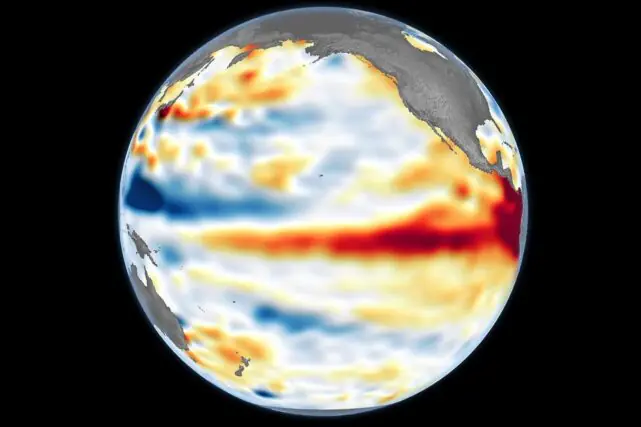
The natural climate phenomenon is expected to strengthen through late 2026. The World Meteorological Organization (WMO) says a strong El Niño is developing and could continue intensifying during August to October. Forecasts suggest sea surface temperatures in key parts of the Pacific could exceed 2.9°C above average, stronger than anything since at least the 1950s.
For wildlife and habitats, the concern is not simply the strength of El Niño itself. It is the fact that this natural cycle is unfolding in an already warming world.
What is El Niño?
El Niño is one of the world’s most important natural climate patterns.
It occurs when unusually warm water develops across the central and eastern tropical Pacific Ocean. The event typically happens every two to seven years and lasts for around nine to twelve months.
Normally, trade winds push warm surface water from east to west across the Pacific. During El Niño, these winds weaken or can even reverse.
Warm water then moves eastwards. This releases large amounts of heat into the atmosphere and changes rainfall and wind patterns far beyond the Pacific.
The result can be drought in some parts of the world and flooding in others.
For nature, these changes can disrupt the delicate balance that plants, animals and ecosystems depend upon.
A very strong El Niño is developing
The latest forecasts show that the current El Niño is strengthening rapidly.
The WMO expects it to become a very strong event during the August-October period. It also forecasts above-average temperatures across much of the world, alongside major changes in rainfall patterns.
Sea surface temperatures in key areas of the tropical Pacific are already well above normal. Forecast models indicate that these temperatures could rise to more than 2.9°C above average during the peak of the event.
The Met Office has also warned that El Niño could increase the likelihood of another record-breaking year for global temperatures in 2027.
Dr Leon Hermanson, lead author of a recent Met Office report, said: “There is an El Niño predicted for the end of 2026, which increases the chances of the following year, 2027, being the next record-breaking year.”
Why does El Niño matter for nature?
El Niño can alter the conditions that ecosystems have evolved around.
Rainfall can shift. Droughts can become more likely in some regions. Heavy rainfall and flooding can increase elsewhere. Ocean temperatures can also change, placing additional pressure on marine ecosystems.
For wildlife, even relatively short-term changes can have serious consequences.
Animals may struggle to find food or water. Plants can experience drought stress. Wetlands can dry out. Rivers can become warmer or more polluted after heavy rainfall. Wildfires can destroy habitats and reduce food supplies.
These impacts can also spread through food webs.
When one species declines, predators can lose a food source. When vegetation is damaged, herbivores can be affected. When insects decline, birds, bats and other insect-eating animals can suffer.
El Niño and a warming planet
It is important to distinguish between El Niño and human-caused climate change.
El Niño is a natural phenomenon. There is currently no evidence that climate change increases the frequency or intensity of El Niño events, according to the WMO.
However, climate change can make the consequences of El Niño more severe.
The atmosphere and oceans are already warmer because of human-driven greenhouse gas emissions. This means an El Niño event is adding its effects to an already warmer climate system.
The WMO says a warmer ocean and atmosphere can amplify some of the extreme weather associated with El Niño, including heatwaves and heavy rainfall.
For nature, this matters enormously.
Wildlife does not experience El Niño in isolation. Species are already facing habitat loss, pollution, invasive species and a changing climate.
An additional period of extreme heat, drought or flooding can make it harder for ecosystems to recover.
Drought could threaten wildlife and habitats
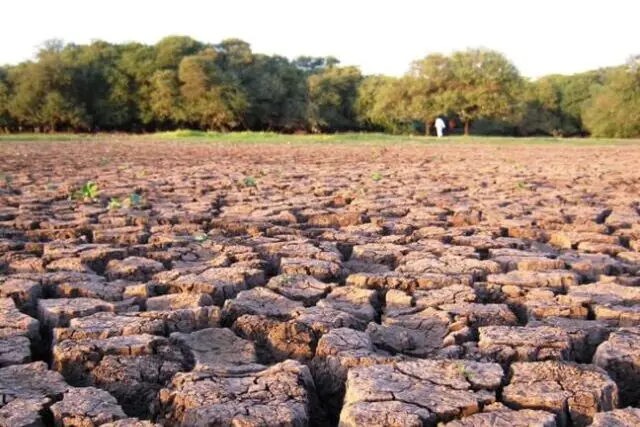
One of the major effects of El Niño is a shift towards drier conditions in some parts of the world.
Parts of Australia, Indonesia, southern Africa and South Asia can experience reduced rainfall during El Niño events. The current WMO outlook also points towards below-average rainfall in parts of the Indian subcontinent and Australia.
Drought can transform entire landscapes.
Rivers and wetlands can shrink. Trees can become stressed. Grasslands can lose vegetation. Waterholes can disappear.
For animals, this means fewer places to drink and less food available.
Drier vegetation can also increase the risk of wildfire. When fires become larger or more frequent, they can destroy nesting sites, shelter and feeding grounds.
Some ecosystems are adapted to periodic drought and fire. But when extreme conditions become more intense or occur alongside other environmental pressures, recovery can become much harder.
Flooding brings a different threat
El Niño can also increase rainfall and flooding in other parts of the world.
The WMO associates El Niño with increased rainfall and flooding in parts of South America, East Africa and the southern United States.
Heavy rainfall can reshape habitats within a matter of days.
Floods can erode riverbanks, wash away vegetation and carry pollutants into rivers, lakes and coastal waters. They can also destroy nests and burrows and disrupt breeding sites.
For freshwater species, sudden changes in water levels can be particularly damaging.
Yet flooding is only one part of the picture. Warmer conditions can increase evaporation and dry soils, meaning the same landscape can potentially face both water shortages and extreme rainfall within a relatively short period.
The ocean is at the centre of El Niño
El Niño begins in the Pacific, but its influence reaches far beyond the ocean.
Marine ecosystems are particularly sensitive to changes in sea temperature and ocean circulation.
Warm surface waters can affect nutrient availability and alter the distribution of marine species. This can change where fish feed and reproduce, with consequences that travel through entire marine food webs.
Seabirds and marine mammals can be affected when prey becomes harder to find.
Coral reefs are also vulnerable to unusually warm seas. Marine heat stress can cause coral bleaching, leaving reefs weakened and less able to support the huge diversity of life that depends upon them.
The current El Niño is therefore not simply a story about atmospheric temperatures. It is also a story about changes taking place throughout the ocean.
What could El Niño mean for the UK?
The effects of El Niño vary from one event to another, so there is no guarantee that the UK will experience a particular type of weather.
However, El Niño can influence atmospheric circulation across the Northern Hemisphere.
The developing event could increase the potential for wetter and stormier conditions across north-west Europe, including the UK, particularly during autumn and early winter.
For British wildlife, prolonged wet and stormy weather can create challenges of its own.
Flooding can damage habitats and wash away soil. Strong winds can damage woodland and nesting sites. Changes in temperature and rainfall can also affect flowering plants, insects and the animals that depend upon them.
At the same time, El Niño can increase the odds of colder conditions later in winter, although the relationship is less certain.
Could 2027 become the hottest year on record?
One of the biggest concerns is the potential effect of El Niño on global temperatures.
El Niño releases heat from the ocean into the atmosphere. This can temporarily push global temperatures higher on top of the long-term warming caused by greenhouse gas emissions.
The strongest effects on global average temperatures often occur in the year after El Niño develops.
Met Office climate scientist Dr Nick Dunstone says this can lead to “an increase in global average temperature, particularly in the calendar year following the winter peak of the El Niño.
“Hence, 2027 is very likely to replace 2024 as the warmest year on record.”
If that happens, it would add another extreme temperature milestone to a rapidly warming planet.
For nature, every additional fraction of warming matters.
Wildlife is already under pressure
The biggest concern is what happens when El Niño interacts with existing environmental pressures.
A forest suffering from habitat fragmentation may have less resilience during drought. A river already affected by pollution may cope poorly with flooding. A species already struggling because of habitat loss may have fewer places to escape extreme heat.
This is why protecting and restoring nature is so important.
Healthy ecosystems are not immune to extreme weather. But diverse, connected and functioning habitats can provide greater resilience.
Restored wetlands can hold water during heavy rainfall. Healthy soils can retain moisture during dry periods. Native vegetation can provide shade and shelter for wildlife. Connected habitats can give species more opportunities to move as conditions change.
Nature restoration therefore has an important role to play in a world where climate extremes are becoming an increasingly important threat.
A warning for a changing world
El Niño is a natural part of Earth’s climate system. It is not itself a consequence of human-caused climate change.
But its arrival in a warmer world highlights how climate pressures can interact.
The WMO says the developing El Niño is already increasing the likelihood of above-normal temperatures and significant shifts in rainfall across many regions.
The consequences will be different for every ecosystem.
Some species may benefit temporarily from changing conditions. Others may struggle to survive.
What is increasingly clear is that protecting nature cannot simply mean responding after extreme weather has caused damage.
Restoring habitats, protecting ecosystems and creating space for wildlife to adapt can help give nature a better chance of surviving an increasingly unpredictable climate.
El Niño may be a natural phenomenon. The vulnerability of ecosystems is something we can influence.
Building Resilient Ecosystems to Protect Wildlife
At Natural World Fund, we believe nature recovery means restoring the health of the lakes, rivers and wetlands that wildlife depends on. By protecting freshwater habitats, improving water quality and creating healthier ecosystems, we can give threatened species such as the European eel a better chance to survive and recover.
Image sources
- Drought_in_Khartum by Виктор Пинчук. Cropped and resized from original: Wikipedia Commons
- El_Niño_Is_Underway_(1228049_-_lrg) by Lauren Dauphin of NASA. Cropped and resized from original: Wikipedia Commons