

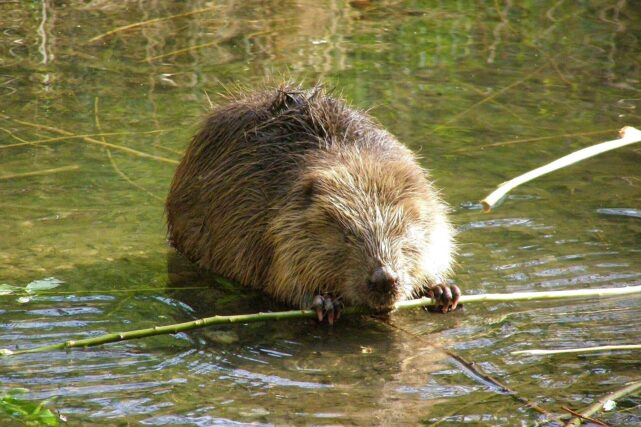
Wild-Born Beaver Kits Spotted in Glen Affric for First Time in 400 Years
Beavers have successfully bred in the wild in Glen Affric for the first time in more than 400 years, conservationists have said.
At least two young beavers, known as kits, have been born at Loch Beinn a Mheadhoin in the Scottish Highlands.
The discovery marks an important milestone for beaver reintroduction in Scotland. It also shows how wildlife can return when animals are given suitable habitats and careful protection.
Beavers return to Glen Affric
The kits were born after 11 beavers were released into Glen Affric as part of a rewilding project.
Seven beavers were released in October, followed by a family group of four in February. The animals were relocated under licence by NatureScot from farmland in Tayside.
Findhorn-based charity Trees for Life is working with Forestry and Land Scotland (FLS), which manages the 43,500-acre reserve in Glen Affric.
Glen Affric is a large landscape of ancient woodland, lochs, hills and mountains near Cannich. Its varied habitats provide suitable conditions for beavers to establish themselves.
First wild-born beavers in centuries
Beavers once lived across Scotland before becoming extinct in the country more than 400 years ago.
The animals were first reintroduced to Scotland in 2009. Since then, beaver populations have continued to expand, although there have also been a number of illegal releases.
Wild-born beavers have previously been recorded in the Cairngorms following licensed releases of adult animals.
The discovery of kits in Glen Affric is another important step in the recovery of the species.
When were the beaver kits born?
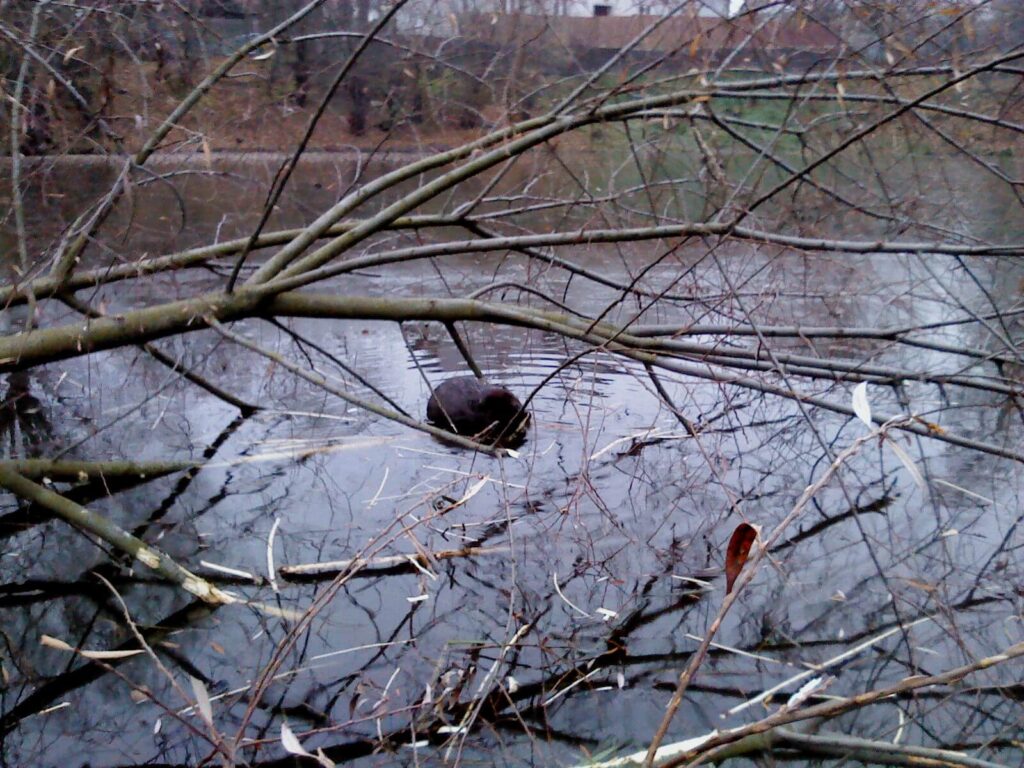
Trees for Life said the Glen Affric kits were likely born in May or June.
They only began emerging from their lodge in recent weeks, giving conservationists their first opportunity to spot the young animals.
Trees for Life’s beaver management officer, Tobias Leask, described the discovery as a major conservation milestone.
“These beaver kits symbolise a wildlife success story four centuries in the making, and how nature can recover when we give it a chance.
“Seeing them for the first time is something I’ll never forget. It was one of those rare moments when you realise you’re witnessing history.”
Why are beavers important for nature?
Beavers are known as ecosystem engineers because their activity can change and improve wetland habitats.
By building dams and creating ponds, beavers can alter the flow of water across the landscape. These changes can create new habitats for plants, insects, amphibians, fish and other wildlife.
Their return could therefore benefit much more than the beaver population itself.
However, successful reintroduction requires careful management. Monitoring helps conservationists understand how beavers are adapting and how their presence affects the wider environment.
Beavers settle into their new home
The arrival of the kits suggests the released beavers have adapted well to their new surroundings.
Dr Roisin Campbell-Palmer, head of restoration at the Beaver Trust, said:
“Every reintroduction requires careful planning and close monitoring after release, so it is hugely rewarding to see the animals adapting so successfully.
“This achievement reflects the commitment and collaboration of everyone involved and provides further evidence that well-managed translocations can support the responsible restoration of beavers across Scotland in line with the Scottish government’s National Beaver Strategy.”
The birth of the kits provides encouraging evidence that beaver reintroduction can support nature recovery in Scotland.
A new chapter for Scotland’s beavers
The return of wild-born beavers to Glen Affric is a significant moment for Scottish wildlife.
After more than four centuries without wild beavers in the glen, the birth of the kits shows that the species can establish itself when given the right conditions.
As beavers continue to return to suitable parts of Scotland, their presence could help restore wetland habitats and create new opportunities for wildlife.
The Glen Affric kits are a reminder that nature can recover when we give it the chance to do so.
Restoring habitats and bringing wildlife back
At Natural World Fund, we believe nature can recover when we give wildlife the space and conditions it needs to thrive. From restoring damaged habitats to supporting rewilding and nature recovery, action can help rebuild healthy ecosystems and bring species such as beavers back to Britain’s wild places.
Image sources
- Bóbr_(Castor_fiber)_w_stawie_bieńczyckim_-_panoramio by R.Mendakiewicz. Cropped and resized from original: Wikipedia Commons
- Biber_(Castor_fiber)_in_der_Lobau_in_Wien_-_panoramio by Martina Lion. Cropped and resized from original: Wikipedia Commons