

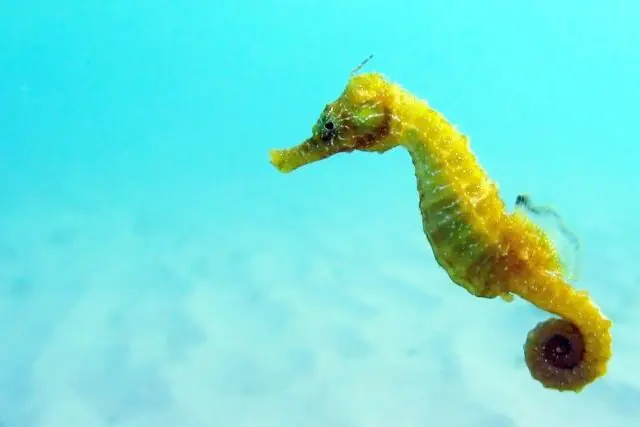
Warmer Weather Increases Risk of Disturbance to UK Seahorses
Warmer weather is bringing more people into UK coastal waters. But conservationists are warning that this is also increasing the risk of disturbance to vulnerable seahorses.
Seahorses are legally protected in the UK. Anyone who intends to seek them out or photograph them must have a wildlife licence.
The Marine Management Organisation (MMO) has increased efforts to remind the public about the law. This follows a rise in reported incidents involving seahorses, both accidental and deliberate.
Seahorse populations face increased disturbance
Educational activities are being focused around Poole Harbour and Studland Bay in Dorset, as well as Torbay in Devon. These areas are home to some of the UK’s most significant seahorse populations.
The MMO said it has seen more people encountering seahorses while in the water or crabbing.
A MMO spokesperson said: “We have seen an increase in incidents where people have unintentionally encountered seahorses whilst in the water, or whilst crabbing.
“We’ve also seen people diving or snorkelling with the likely specific intention to film or photograph seahorses.
“This sort of intentional activity is likely to disturb seahorses, would potentially constitute an offence and would require a wildlife licence.”
The increase in sightings comes during warmer weather, when more people are likely to spend time swimming, snorkelling, diving and crabbing.
UK seahorses are legally protected
Seahorses are protected by law in the UK. This means people must take care when they encounter these delicate marine animals.
MMO head of marine wildlife conservation Jess Churchill-Bissett said: “We can understand the fascination people have with our native seahorse species, however, they are incredibly vulnerable and fragile marine animals that are easily disturbed by human activities.
“…intentionally disturbing seahorses without a wildlife licence could result in enforcement action.
“This applies to all divers, snorkellers, and TV and film production companies who should be aware of their legal obligations.”
The warning applies to anyone entering the water. It also includes people who may encounter seahorses while crabbing.
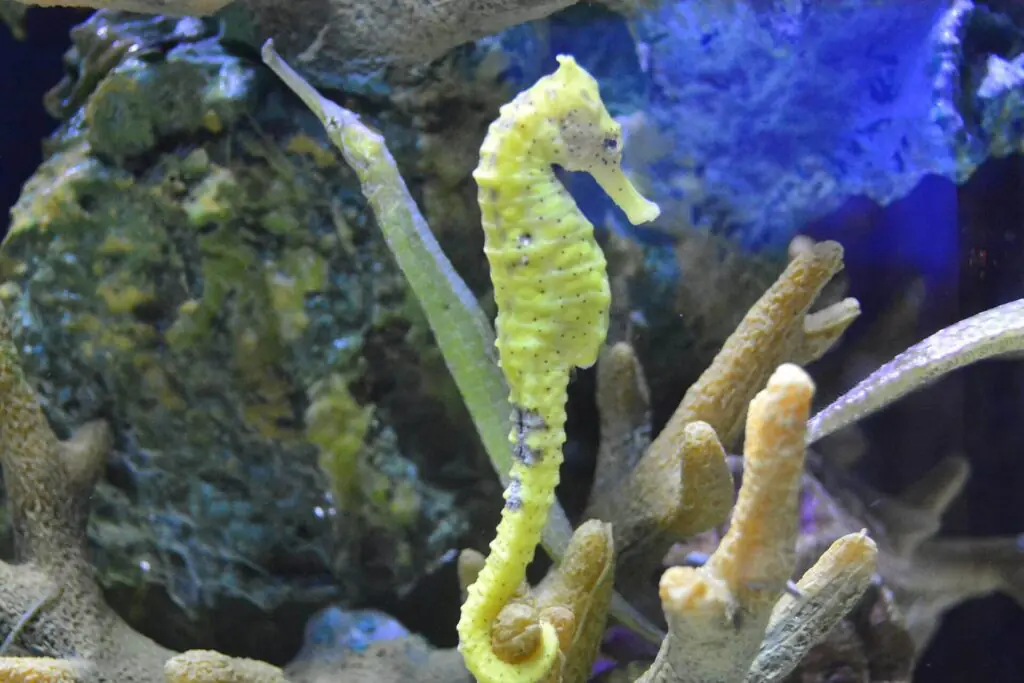
How to protect seahorses when crabbing
Seahorses can sometimes be found in crab nets. People who discover one should act quickly and minimise the time it spends out of the water.
Neil Garrick-Maidment, founder of the Seahorse Trust, said it had been “such a brilliant summer and a lot more people are in the water, snorkelling and diving”.
He said publicity around eco-moorings and a no-anchor zone to protect seahorses also “tempts people to go and look” for them.
He said: “Seahorses are a delicate, sensitive animal.
“If found in a crab net, act quickly, keep them out of the water for as little time as possible, take a brief photo, then gently return them to the water away from seagulls.
“If you spot one while snorkelling or diving, be calm and keep your distance, no flash photography.”
These simple steps can help reduce stress and disturbance to seahorses.
People should also avoid deliberately searching for seahorses or getting too close to photograph them.
Report seahorse sightings
Members of the public can help conservationists by reporting seahorse sightings. This information helps researchers understand where seahorses are found and how their populations are changing.
Garrick-Maidment also urged people to report all sightings of seahorses to add to the National Seahorse Database.
He said: “Knowledge of these precious animals is key to their protection.”
Reporting sightings can therefore play an important role in UK seahorse conservation.
Giving seahorses space to recover
Seahorses are an important part of Britain’s marine wildlife. However, their delicate nature means they can be easily affected by human activity.
As warmer weather brings more people into coastal waters, responsible behaviour becomes even more important.
Keeping your distance, avoiding flash photography and reporting sightings can all help protect these vulnerable animals.
Protecting native wildlife and bringing nature back
At Natural World Fund, we believe protecting wildlife starts with giving nature the space and conditions it needs to recover. Supporting marine conservation and habitat restoration can help create healthier ecosystems where species such as seahorses can thrive.life.
Image sources
- Black_Sea_fauna_Seahorse by Florin DUMITRESCU. Cropped and resized from original: Wikipedia Commons