

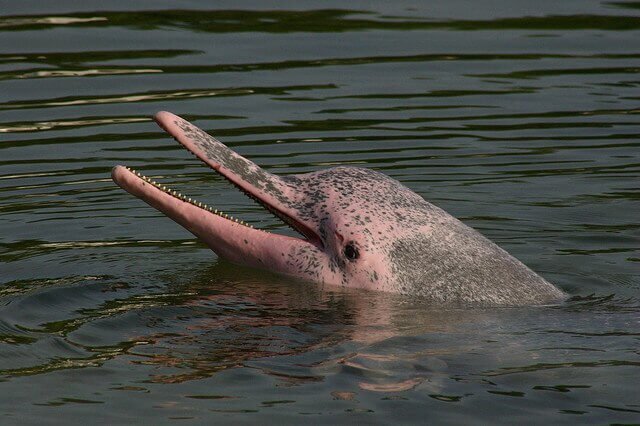
Toxic E-Waste Chemicals Found in Dolphins and Porpoises in the South China Sea
Hazardous chemicals from discarded electronics are contaminating marine life, with new research revealing their presence in endangered dolphins and porpoises in the South China Sea. The findings raise serious concerns about the environmental impact of global e-waste and its threat to ocean ecosystems.
The study, published in Environmental Science & Technology, identified significant levels of liquid crystal monomers (LCMs)—synthetic chemicals widely used in screens for:
- Televisions
- Laptops and computers
- Smartphones
These substances are essential for display clarity, controlling how light passes through screens. However, they are increasingly recognised as harmful environmental pollutants.
How E-Waste Pollution Reaches Marine Life
Improper disposal of electronic waste allows LCMs to enter:
- Air and wastewater systems
- Rivers and oceans
- Marine food chains
“These light-emitting organic chemicals were designed to be very stable so they could last a long time inside your TV, computer and phone screens,” said Yuhe He, one of the study’s authors and a researcher at City University of Hong Kong. “Ironically, this very stability is what makes them a problem in the environment: they don’t easily break down.”
Scientists found these toxic chemicals not only in dolphins and porpoises, but also in the fish and invertebrates they consume—demonstrating how pollution bioaccumulates through ecosystems.
Endangered Species at Risk
The research focused on two vulnerable marine mammals:
- Indo-Pacific humpback dolphins
- Finless porpoises
Both species showed contamination across multiple tissues, including blubber, liver, and muscle. Alarmingly, traces of LCMs were also found in brain tissue, proving these chemicals can cross the blood-brain barrier.
Long-Term Study Reveals Genetic Risks
Led by Yuhe He, researchers analysed tissue samples collected over 14 years.
Key findings include:
- Detection of 62 different LCM compounds
- Evidence of gene-altering effects, particularly impacting DNA repair and cell division
- Highest concentrations found in blubber, with concerning presence in the brain
These results highlight potential long-term health impacts for marine mammals exposed to electronic waste pollution.
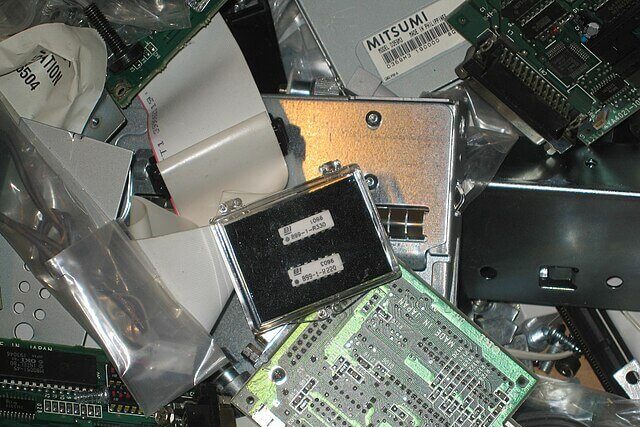
The Growing Global E-Waste Crisis
Electronic waste is one of the fastest-growing environmental challenges worldwide, with an estimated 62 million tonnes produced annually. A major driver is “fast tech”—cheap, short-lived electronic devices designed for rapid replacement.
Although manufacturers have increasingly shifted from LCMs to LED technologies, legacy pollution continues to persist in marine environments.
How to Reduce E-Waste Pollution
Researchers stress the importance of individual and systemic action:
- Extend the lifespan of electronic devices through repair
- Use certified e-waste recycling services
- Avoid unnecessary upgrades and disposable tech
They also call for stricter regulations on hazardous chemicals in consumer electronics before products reach the market.
“We don’t yet have direct evidence of the human health impact, but our lab tests on dolphin cells showed that these chemicals can alter gene activity related to DNA repair and cell division,” He said.
“This is a warning signal. If we wait until the damage to human health is fully proven, it will likely be too late. Acting now on e-waste regulation is about preventing a future public health crisis.”
Why This Matters for Ocean Conservation
The presence of toxic e-waste chemicals in endangered marine species underscores the urgent need to address pollution at its source. Protecting ocean ecosystems requires global cooperation, responsible consumption, and stronger environmental safeguards to prevent further harm to wildlife.
At Natural World Fund, we recognise that pollution—especially from modern technology—is an emerging threat to ocean biodiversity. By supporting sustainable practices, reducing waste, and advocating for stronger environmental protections, we can help safeguard marine ecosystems and the species that depend on them.