

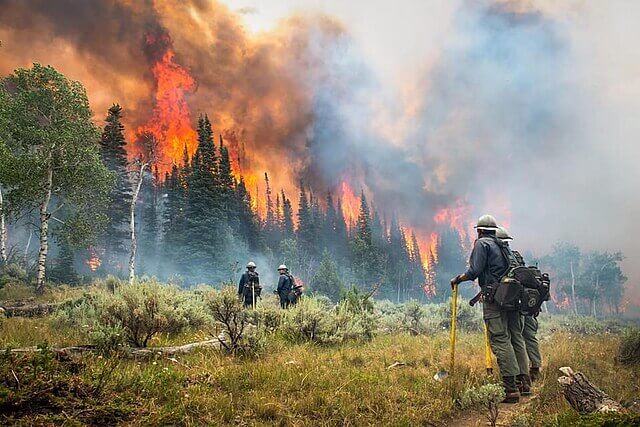
Global Heating Is Accelerating Faster Than Ever
Human-driven climate change is heating the planet at an unprecedented rate, according to a new study. Scientists warn that global warming is accelerating faster than previously recorded, highlighting the urgent need for climate action.
The study shows that the pace of climate breakdown has nearly doubled in recent years, even after removing the influence of natural climate variations.
The Rate of Climate Change Has Nearly Doubled
Between 1970 and 2015, global temperatures increased at a relatively steady rate of less than 0.2°C per decade. However, over the past 10 years, that rate has surged to approximately 0.35°C per decade.
“If the warming rate of the past 10 years continues, it would lead to a long-term exceedance of the 1.5C (2.7F) limit of the Paris agreement before 2030,” said Stefan Rahmstorf, a scientist at the Potsdam Institute for Climate Impact Research and co-author of the study.
This marks the fastest rate of warming since global temperature records began in 1880, signalling a dramatic shift in Earth’s climate system.
Natural Factors vs Human-Caused Warming
Recent extreme heat events have been partially influenced by natural factors such as:
- Solar cycles
- Volcanic eruptions
- The El Niño weather pattern
To better understand the true impact of human activity, researchers used advanced noise-reduction techniques to remove these natural influences from five major global temperature datasets.
The findings were clear: the acceleration in global warming began around 2013–2014, confirming that human-driven emissions are the dominant cause.
“There is now pretty widespread – if not quite universal – agreement that there has been a detectable acceleration in warming in recent years,” said Zeke Hausfather, a climate scientist at Berkeley Earth, who was not involved in the study. “However, it remains unclear how much of the additional warming over the past decade in particular is a forced response versus unforced variability.”
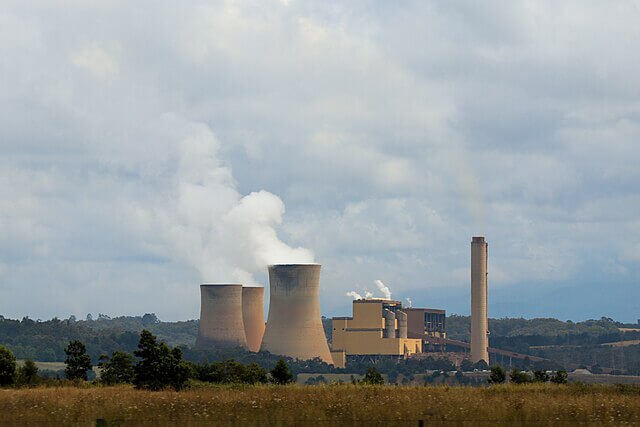
Carbon Pollution and Rising Global Temperatures
The buildup of carbon pollution in the atmosphere has now warmed the planet by approximately 1.4°C above preindustrial levels.
This warming has been intensified by a recent decline in sulphur pollution, which had previously provided a temporary cooling effect. As cleaner air policies reduce these pollutants, the full impact of greenhouse gases is becoming more visible.
A study Hausfather co-authored last year also found climate breakdown has sped up, but at a slightly slower rate of 0.27C a decade.
“Either way, this represents a significant increase in the rate of warming,” said Hausfather. “[This] should be worrying as the world hurtles toward crossing 1.5C later this decade.”
When Will We Cross the 1.5°C Threshold?
Using data from the EU’s Copernicus Climate Service, researchers warn that the world could exceed the critical 1.5°C global warming threshold as early as this year if current trends continue.
“An important caveat, however, is that the acceleration may prove temporary,” said Claudie Beaulieu, a climate scientist at the University of California Santa Cruz, who has published on the topic but was not involved in the new study. She added that the strong El Niño of 1998 also produced a period of seemingly anomalous warming.
“The relative slowdown that followed was interpreted as evidence of a pause in global warming,” she said. “Continued monitoring over the next several years will be essential to determine whether the accelerated warming rate identified here represents a lasting shift or a transient feature of natural variability.”
Other datasets suggest this threshold could be crossed between 2028 and 2029, underscoring how little time remains to limit the worst impacts of climate change.
Why 1.5°C to 2°C Warming Matters
Climate scientists caution that warming between 1.5°C and 2°C could trigger dangerous tipping points, including:
- Irreversible ice sheet loss
- Ecosystem collapse
- Long-term sea level rise
While these large-scale changes may unfold over decades, the short-term impacts are already being felt. Rising temperatures are making heatwaves more intense and storms more destructive, with heavier rainfall and flooding.
Record-Breaking Heat and Failing Carbon Sinks
The past three years have been confirmed as the hottest on record, according to the World Meteorological Organization.
At the same time, scientists are increasingly concerned that natural carbon sinks — such as forests and oceans that absorb CO₂ — may be weakening. This could further accelerate climate change, making it even harder to stabilise global temperatures.
The Urgent Need for Climate Action
These findings reinforce a critical message: the window to limit global warming is rapidly closing. Without immediate and sustained reductions in greenhouse gas emissions, the risks of severe and irreversible climate impacts will continue to grow.
“How quickly the Earth continues to warm ultimately depends on how rapidly we reduce global CO2 emissions from fossil fuels to zero,” said Rahmstorf.
At Natural World Fund, we recognise that the rapid acceleration of global heating is placing ecosystems, wildlife, and communities under unprecedented strain. This research highlights just how quickly the climate crisis is intensifying—but it also reinforces the importance of urgent, collective action. By supporting climate solutions, protecting and restoring natural carbon sinks, and advocating for stronger environmental policies, we can help slow global warming and safeguard the natural world for future generations.