

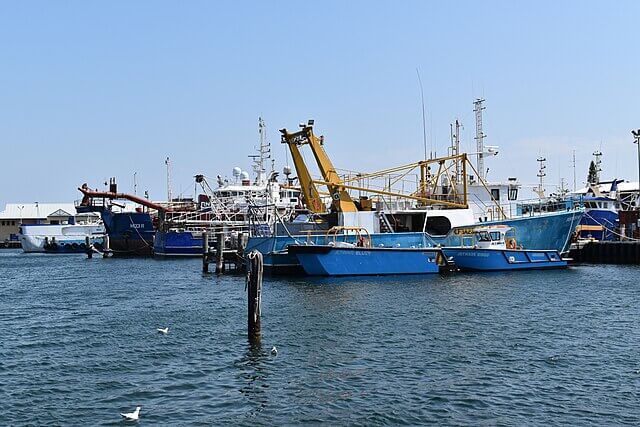
Illegal Fishing on the High Seas: The Environmental Crisis at Mile 201
In a monitoring room in Buenos Aires, Argentinian coast guard officers track hundreds of industrial fishing vessels moving across the South Atlantic in real time. Fleets from Asia and the North Atlantic converge just beyond Argentina’s maritime boundary. According to Commander Mauricio López, this seasonal influx is “creating a serious environmental problem.”
“Every year, for five or six months, the foreign fleet comes from across the Indian Ocean, from Asian countries, and from the North Atlantic,” says Cdr Mauricio López
At the centre of this crisis lies Mile 201 – a largely unregulated strip of the high seas just outside Argentina’s Exclusive Economic Zone (EEZ). This legal grey area has become a magnet for distant-water fishing fleets intent on exploiting one of the ocean’s richest ecosystems.
Mile 201: A Lawless Frontier in the South Atlantic
Mile 201 sits just beyond the 200-nautical-mile limit of Argentina’s EEZ, where national protections end and global governance is weak. Hundreds of foreign vessels descend on this area each year to target squid, forming a fleet so vast it can be seen from space, glowing at night like a floating city.
Environmental experts have warned that Mile 201 has become one of the largest unregulated squid fisheries in the world. With no internationally agreed catch limits for squid in the region, industrial fleets are free to fish at unsustainable levels, placing enormous pressure on marine life.
Squid Overfishing and Ecosystem Collapse
Squid play a crucial role in ocean food webs. They are a key prey species for whales, dolphins, seals, seabirds, and commercially valuable fish such as hake and tuna.
“If this species is affected, the whole ecosystem is affected,” Bobinac says. “It is the food for other species. It has a huge impact on the ecosystem and biodiversity.”
She says the “vulnerable marine ecosystems” beneath the fleet, such as deep-sea corals, are also at risk of physical damage and pollution.
Conservation groups warn that unchecked squid fishing could lead to population collapse, triggering widespread ecological disruption.
“If this species is affected, the whole ecosystem is affected,” Bobinac says. “It is the food for other species. It has a huge impact on the ecosystem and biodiversity.”
Steve Trent, founder of the Environmental Justice Foundation (EJF), describes the fishery as a “free for all,” cautioning that squid could eventually disappear from the area altogether if current practices continue.
Beneath the surface, vulnerable marine ecosystems such as deep-sea corals are also at risk from pollution, discarded fishing gear, and physical damage caused by industrial vessels.
The Role of Distant-Water Fishing Fleets
According to investigations by the EJF, approximately 75% of squid jigging vessels operating on the high seas are from China, with fleets from Taiwan and South Korea making up much of the remainder. Squid jigging involves jerking barbless lures through the water to imitate prey, a method that can be devastating at industrial scale.
Fishing activity in Mile 201 has surged dramatically. Between 2019 and 2024, total fishing hours increased by 65%, driven largely by an 85% increase in activity from the Chinese fleet alone, according to an investigation by the charity.
Wildlife Abuse and Marine Cruelty at Sea
The absence of effective oversight has enabled deeply disturbing practices. Interviews conducted by the EJF suggest widespread cruelty towards marine wildlife. Crew members reported the deliberate capture and killing of seals on more than 40% of Chinese squid vessels and around 20% of Taiwanese vessels.
Other testimonies described the hunting of marine megafauna for body parts, including seal teeth. Photographic and video evidence shows seals hanging from hooks and penguins trapped on vessel decks – stark reminders of the human cost of weak ocean governance.
“Going Dark”: Evading Detection Beyond National Waters
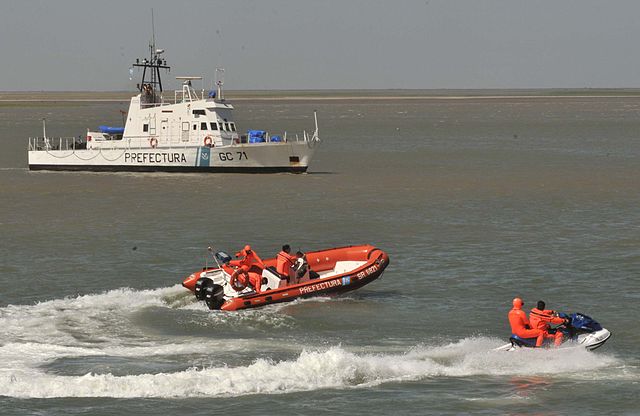
Within Argentina’s EEZ, the coast guard maintains full control. However, just beyond this boundary, enforcement becomes far more difficult.
Lt Luciana De Santis, a lawyer for the coast guard, says: “Outside our exclusive economic zone [EEZ], we cannot do anything – we cannot board them, we cannot survey, nor inspect.”
Commander López reports that a significant number of vessels switch off their identification systems when fishing in Mile 201, a practice known as “going dark,” designed to evade monitoring and accountability.
This lack of transparency allows illegal, unreported and unregulated (IUU) fishing to flourish on the high seas.
Human Rights Abuses in the Squid Fishing Industry
Environmental destruction is only part of the story. Workers aboard distant-water fishing vessels are among the most vulnerable in the global seafood industry. EJF investigations uncovered serious human rights and labour abuses, including physical violence, intimidation, wage theft, debt bondage and excessive working hours with little or no rest.
For many crew members, debt bondage effectively traps them at sea, unable to leave vessels even in dangerous or abusive conditions.
“The Chinese distant-water fleet is the big beast in this,” says Trent. “Beijing must know this is happening, so why are they not acting? Without urgent action, we are heading for disaster.”
Despite these abuses, much of the squid caught in Mile 201 still enters major markets in the European Union, the UK and North America. This means consumers may unknowingly be purchasing seafood linked to illegal fishing, environmental destruction, animal cruelty and human rights violations.
The Call for Global Action to Protect Our Oceans
Conservation organisations are calling for urgent reforms, including:
- A ban on imports linked to illegal or abusive fishing practices
- Mandatory transparency to show who is fishing, where, when and how
- An international charter to govern fishing beyond national waters
Without decisive global action, Mile 201 risks becoming a symbol of ocean governance failure – and a warning of what happens when profit is allowed to outweigh protection.
At Natural World Fund, we support efforts to protect marine biodiversity and promote sustainable ocean management. Safeguarding the high seas is essential for the health of our planet and future generations.