

IUCN Red List Reveals Growing Threats to Wildlife and the Power of Conservation
Life has evolved to survive in almost every environment on Earth. From scorching deserts to the crushing depths of the ocean, wildlife has developed remarkable adaptations to survive.
But the latest update to the IUCN Red List of Threatened Species shows that these survival strategies are increasingly being overwhelmed by human activity.
Deep-sea mining, diamond extraction, climate change, invasive species and expanding infrastructure are putting unique animals at risk of extinction. At the same time, successful conservation projects show that threatened species can recover when effective protection is put in place.
Deep-Sea Mining Threatens Rare Molluscs
Some of the most unusual species assessed by the IUCN live in one of Earth’s most extreme environments: deep-sea hydrothermal vents.
More than 200 species of mollusc are known to live exclusively around these underwater vents. Here, water heated by volcanic rocks emerges from the seabed, with temperatures reaching as high as 450C (842F).
Snails, limpets and clams living in these environments have evolved extraordinary adaptations to survive extreme conditions.
However, a new assessment found that around two-thirds of mollusc species found only on deep-sea vents are at risk of extinction.
The main threat is deep-sea mining.
Mining for minerals on the ocean floor can disturb the seabed and create large clouds of sediment. These sediments can settle over nearby animals, potentially smothering the species that depend on these highly specialised habitats.
One example is Lirapex felix, a deep-sea snail that has been classified as critically endangered because of the threat from mining activity in the Indian Ocean.
Marine Protected Areas Can Protect Deep-Sea Species
The assessment also provides evidence that conservation measures can protect vulnerable deep-sea wildlife.
More than 30 hydrothermal vent species are currently not considered at risk because they live inside marine protected areas where mining is prohibited.
One example is Provanna exquisita, an ornately shelled snail found only in the Mariana Arc of Fire national wildlife refuge in the Pacific Ocean.
“These global assessment reveals that [vent] molluscs are one of the most highly threatened of all animal groups,” said Prof Julia Sigwart at Senckenberg Nature Research, the IUCN Red List partner that coordinated the assessment.
“It provides important information as the International Seabed Authority meets in Jamaica this month.”
The IUCN voted for a moratorium on deep-sea mining in 2021.
The findings highlight the importance of protecting sensitive marine habitats before industrial activity causes irreversible damage.
Desert Rain Frog Threatened by Diamond Mining
The threats identified by the IUCN extend from the deepest parts of the ocean to the deserts of southern Africa.
The desert rain frog has evolved an unusual way to survive in an extremely dry environment. Unlike many frog species, it requires very little water.
The small, bulbous frog lives along the west coast of South Africa and Namibia. During the heat of the day, it buries itself deep beneath the sand to escape the sun. It emerges at night to feed on insects.
Despite its remarkable adaptation to dry conditions, the species is now classified as vulnerable.
Diamond mining and the expansion of energy infrastructure are destroying and fragmenting parts of its habitat.
The frog also faces additional pressure from the exotic pet trade. Demand has reportedly increased after a viral video of the species’ distinctive squeaking distress call attracted widespread attention online.
Climate Change Threatens Emperor Penguins
Climate change is also continuing to put pressure on wildlife around the world.
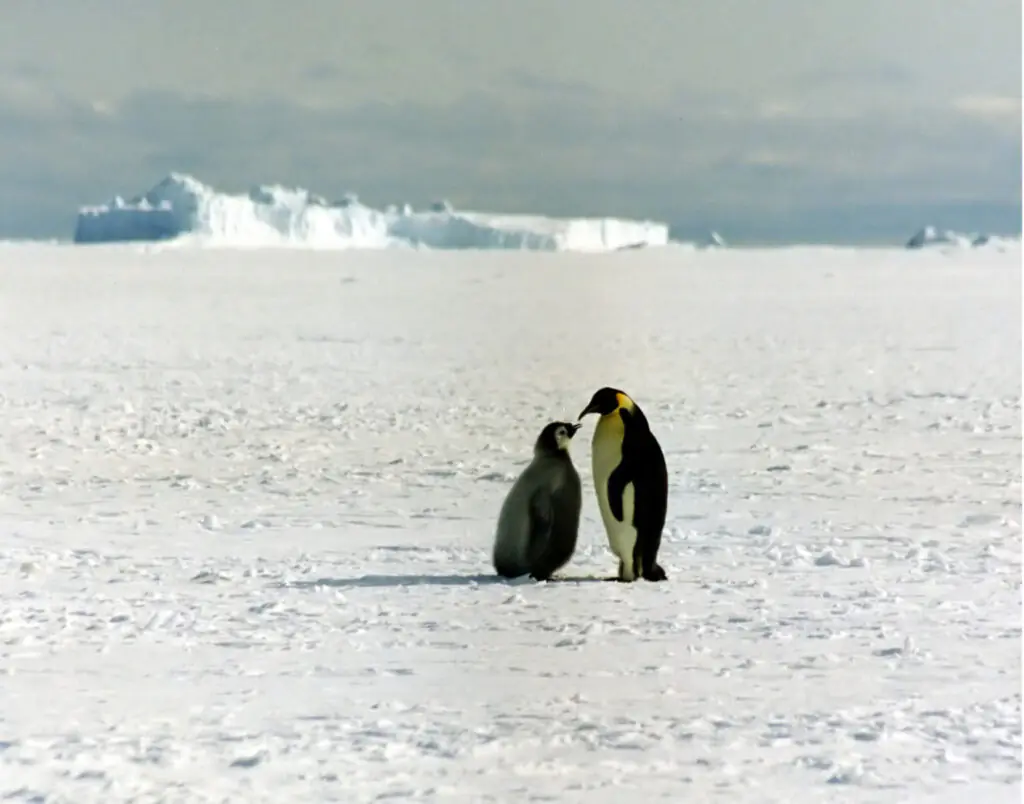
An IUCN update in April classified emperor penguins as officially at risk of extinction, following concerns over the loss of sea ice and the resulting deaths of chicks.
Emperor penguins depend on stable sea ice for breeding and raising their young. As climate change causes Antarctic sea ice to decline, breeding colonies can become increasingly vulnerable.
The plight of emperor penguins demonstrates how rapidly changing environmental conditions can threaten species that have evolved to survive in highly specialised habitats.
Numbat Population Recovers Through Conservation
While the latest Red List assessment highlights serious threats to biodiversity, it also demonstrates that conservation works.
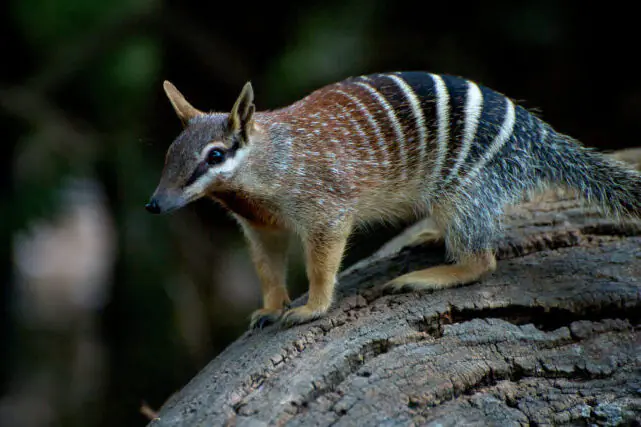
One of the most positive examples is the numbat, a distinctive Australian marsupial that feeds almost exclusively on termites.
After decades of decline, the species has recovered from a population of only around 300 animals in the late 1970s to an estimated 2,000 to 3,000 today.
As a result, the numbat has been moved from endangered to near threatened on the IUCN Red List.
The recovery has been driven by long-term conservation efforts, particularly measures to control invasive predators.
Protecting Numbats from Feral Cats and Foxes
Feral cats and red foxes have been major threats to Australia’s native wildlife.
Conservationists have reduced their impact through predator control, baiting and predator-proof fencing. Captive breeding at Perth Zoo and the relocation of animals from healthy populations have also helped establish new groups.
At least five additional self-sustaining numbat populations have now been established.
However, the species remains highly vulnerable.
Numbats occupy only around 0.04% of their original range across southern Australia. Continued conservation work is therefore essential to prevent their population from declining again.
“Life on Earth has adapted to survive in the most hostile and unusual habitats [but] as pressures on biodiversity mount across the planet, even the creatures with the most ingenious survival strategies are under threat,” said Dr Grethel Aguilar, the IUCN director general.
“But there is a clear path out of the biodiversity crisis: nature conservation works. By protecting the astounding range of biodiversity on this planet, we can preserve a welcoming environment for humans and wildlife alike.”
Five Australian Mammals Declared Extinct
The latest Red List update also records the loss of five Australian marsupial species.
The crest-tailed, southern, northern and little mulgaras were rat-sized carnivorous marsupials, while the little bettong was a rabbit-sized jumping marsupial.
None have been recorded for at least 60 years and they have now been confirmed as extinct.
Feral cats and foxes are believed to have played an important role in their decline.
Australia has recorded more than 40 modern mammal extinctions, making invasive predators a major conservation challenge for the country’s remaining native wildlife.
Long-Term Conservation Is Essential
The recovery of the numbat demonstrates the difference that sustained conservation can make.
“The [numbat] assessment shows that long-term conservation effort works; without it, invasive cats and foxes will continue to drive Australia’s small marsupials and native rodents to extinction,” said Prof John Woinarski, co-chair of the IUCN species survival commission group on Australasian marsupials and monotremes.
“Continued management is vital not only to maintain the numbat’s unique evolutionary line as the last surviving member of the Myrmecobiidae family, but also to support its role in maintaining a healthy ecosystem, as digging for the termites it eats increases rain penetration into the soil, helping protect woodlands,” he said.
The numbat is therefore important not only as a species in its own right but also because of its role within the wider ecosystem.
Its digging behaviour helps increase rainwater penetration into the soil, supporting woodland habitats.
What the IUCN Red List Tells Us About Biodiversity
The IUCN Red List is one of the world’s most important assessments of the conservation status of plants, animals and fungi.
It currently includes 175,909 species, of which 49,505 are threatened with extinction. However, many species have yet to be formally assessed, meaning the true scale of the global biodiversity crisis could be considerably greater.
The latest findings reveal two sides of the conservation challenge.
Deep-sea mining, habitat destruction, climate change and invasive species are placing increasing pressure on wildlife. But the recovery of the numbat shows that targeted, long-term conservation can reverse population declines.
Protecting and Restoring Nature
The survival of threatened species depends on protecting the habitats they need to feed, reproduce and recover.
From deep-sea ecosystems and deserts to Australian woodlands, biodiversity is under pressure from human activity. Protecting remaining habitats and restoring degraded ecosystems are essential if wildlife is to have space to recover.
Protecting and Restoring Nature
At Natural World Fund, we support practical conservation and habitat restoration that helps create healthier ecosystems and more space for nature to thrive. The story of the numbat shows what is possible when conservation is sustained over decades. Protecting nature today can prevent more species from becoming the extinctions of tomorrow.
Image sources
- Emperor(Aptenodytes_forsteri)_chick_with_parent_edit (2) by Brocken Inaglory. Cropped and resized from original: Wikipedia Commons
- Numbat_Full_Standing by Helenabella. Cropped and resized from original: Wikipedia Commons