

New Phosphate Removal Technology Could Help Restore Polluted UK Waterways
A new technology designed to remove harmful phosphate pollution from waterways could help improve water quality, support farmers and reduce pressure on the UK’s rivers and lakes.
Somerset-based start-up Rookwood Operations has developed a system that captures phosphates from water using a sponge-like organic material. Following a successful trial at Chew Valley Reservoir, the company hopes to expand the technology to other parts of the UK and eventually overseas.
The approach could also help create a more circular supply of fertiliser by recovering phosphate from polluted water and returning it to agricultural land.
What Is Phosphate Pollution?
Phosphates are an essential nutrient for agriculture and are widely used in fertilisers and some animal feeds. However, excessive amounts entering rivers, lakes and reservoirs can cause serious environmental problems.
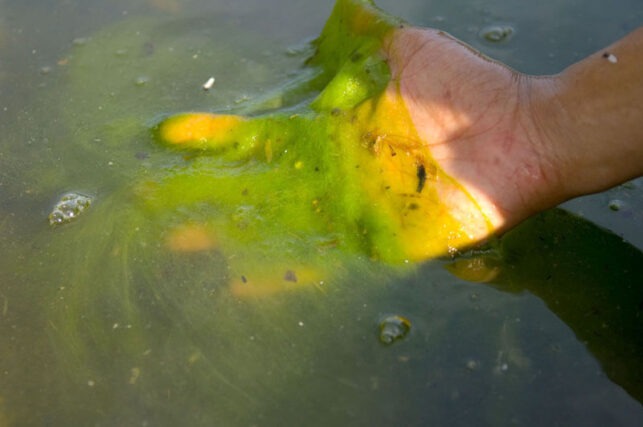
Phosphate pollution can encourage the rapid growth of algae. These harmful algal blooms can reduce oxygen levels in the water as they grow and decompose, damaging aquatic ecosystems and threatening fish and other wildlife.
Phosphates can enter waterways through sewage spills and wastewater, but agricultural runoff is another major source.
Rainwater can wash fertilisers and nutrients from farmland into nearby streams and rivers, increasing phosphate concentrations downstream.
New Technology Removes Phosphate From Water
Rookwood Operations, based in Wells, Somerset, has spent years developing a system designed to remove phosphate from polluted water.
The technology uses a sponge-like organic material contained within permeable cartridges. As contaminated water passes through the cartridges, the material binds to phosphate and removes it from the water.
The system was recently tested at Chew Valley Reservoir in a trial carried out in partnership with Bristol Water.
The results showed that the technology could remove phosphate even when concentrations in the water were very low.
Developing the material was not straightforward. Rookwood says it carried out more than 500 attempts before developing an effective formula.
The current system can recover approximately 7kg of phosphate for every 60kg of material deployed.
Recovered Phosphate Could Be Used as Fertiliser
One of the most promising aspects of the technology is what happens to the phosphate after it has been removed from the water.
Rather than treating the captured material as waste, Rookwood hopes to recover the phosphate and return it to agriculture as fertiliser.
This could create a more sustainable cycle for an important agricultural resource.
Rookwood co-founder Jane Pearce said: “We’re going to try and go global – phosphate pollution is very prevalent in this region but it’s also very prevalent in the rest of the country and it’s an international problem.”
Phosphate Pollution Creates a Challenge for Farmers
Phosphate pollution presents a difficult challenge for agriculture.
Farmers need phosphorus to grow crops and maintain yields, but excess phosphorus can cause significant environmental damage when it reaches rivers and lakes.
The UK’s dependence on imported phosphate also creates another challenge.
Much of the world’s phosphate supply comes from intensive mining in a relatively small number of countries, including China, the United States and Russia. This leaves agricultural supply chains exposed to international events and changes in commodity prices.
Recovering phosphate from polluted water could therefore provide both environmental and agricultural benefits.
“It makes a solution like ours, which not only mitigates the phosphate pollution that’s causing environmental damage in the water, but allows it to go back to land as a fertiliser, even more important,” Pearce said.

Phosphate Pollution and Housing Development in Somerset
The impact of phosphate pollution extends beyond wildlife and farming.
High phosphate levels in Somerset’s waterways have also contributed to delays affecting new housing developments.
As many as 12,000 homes across the county are currently unable to proceed following a court ruling concerning phosphate levels in watercourses.
The ruling found that adding further pressure to sewage systems through new developments could place additional strain on ecosystems that were already struggling with excessive nutrient pollution.
Technology capable of removing phosphate from wastewater could therefore have wider implications for communities facing restrictions on development.
More Trials Planned Across the UK
Following the successful Chew Valley Reservoir trial, Rookwood is planning to test the technology in additional rivers, lakes and sewage treatment facilities.
The company hopes that further trials will demonstrate how the system can be adapted to different environments and sources of phosphate pollution.
Helen Gavin, environmental lead at Bristol Water’s operator South West Water, said: “The results provide evidence that the material is a practical and sustainable solution that can support Bristol Water’s wider goals for improved water quality and resilience.”
Further testing will be important to establish how effectively the technology performs at larger scales and over longer periods.
Phosphate Pollution Is Widespread
The scale of the UK’s phosphate pollution problem is significant.
Penny Johnes, professor of biogeochemistry at the University of Bristol, has spent years researching phosphorus pollution. She also previously chaired an expert group advising the government on new water quality standards.
Prof Johnes described the problem as “ubiquitous”, with many waterways containing between three and 10 times the natural amount of phosphorus.
However, tackling new sources of pollution may not be enough.
“Not only do we need to tackle new phosphate deposits coming from sewage and water run-off, but also the phosphorus that has accumulated over many decades in sediment at the bottom of lakes and rivers,” she said.
Historic phosphorus stored in river and lake sediments can continue to affect water quality even after new pollution entering the water has been reduced.
Long-Term Action Is Needed to Restore Water Quality
New phosphate removal technology could play an important role in reducing pollution, but experts warn that restoring rivers and lakes will require sustained investment.
Prof Johnes said new technology was “really important”, while also highlighting the need for long-term government commitment.
“You’re asking the government to invest in something which may not deliver a benefit that is measurable for decades,” she said.
“So we have this mismatch between the political cycle and the political ambition and then the environmental function.”
The challenge highlights why restoring polluted waterways requires long-term planning rather than short-term solutions.
Restoring the UK’s Rivers and Wetlands
Phosphate pollution is one of the many pressures facing the UK’s freshwater ecosystems. Sewage pollution, agricultural runoff, habitat degradation and climate change can all affect the health of rivers, lakes and wetlands.
Technologies that remove pollutants can help address existing environmental pressures, but lasting improvements also depend on preventing pollution at its source and restoring natural habitats.
Supporting Healthier Ecosystems for Nature Recovery
At Natural World Fund, we support practical action to restore damaged habitats and create healthier ecosystems where wildlife can recover. Reducing pollution and restoring freshwater habitats can help create cleaner rivers, healthier wetlands and better conditions for the species that depend on them.
Image sources
- Algae_bloom_on_farm_pond._North_western_West_Virginia._2012_USEPA_photo_by_Eric_Vance_(13765604433) by USEPA. Cropped and resized from original: Wikipedia Commons
- Algae_bloom_in_Reflecting_Pool,_Washington,_DC._2007_Potomac_River,_Chesapeake_Bay_watershed._USEPA_photo_by_Eric_Vance_(13765962984) by USEPA. Cropped and resized from original: Wikipedia Commons