

A Remarkable Rediscovery in the Pacific Ocean
More than 60 years ago, pioneering oceanographer and marine conservationist Sylvia Earle made an extraordinary discovery while diving off the remote islands of Chile’s Juan Fernández archipelago.
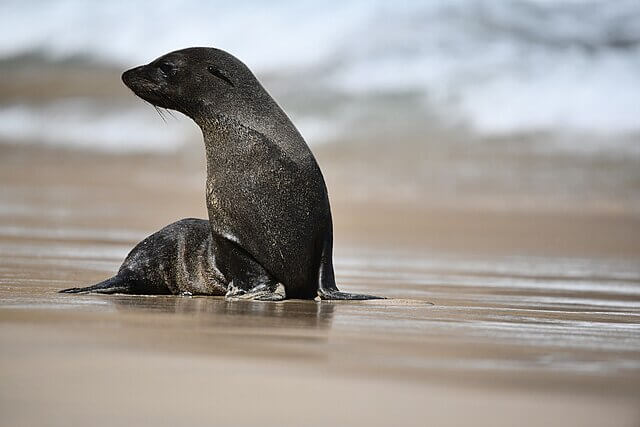
Working aboard the US National Science Foundation vessel Anton Bruun, Earle found the remains of a baby Juan Fernández fur seal — a species once believed to have vanished forever.
The Juan Fernández fur seal (Arctocephalus philippii) is one of the world’s most isolated marine mammals. Endemic to the Juan Fernández Islands off the coast of Chile, the species had been heavily hunted during the 18th and 19th centuries for its fur and meat and was widely thought to be extinct.
As Earle later reflected: “A baby must have a mum and dad somewhere.”
How a ‘Lost’ Seal Species Was Found Again
Just one year after Earle’s discovery, conservationists confirmed a small surviving colony of around 20 Juan Fernández fur seals on Robinson Crusoe Island.
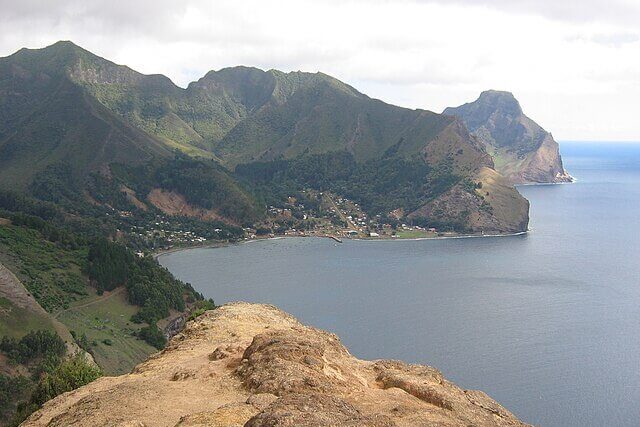
This remote island, one of the three main islands in the archipelago, is famously linked to Daniel Defoe’s Robinson Crusoe, inspired by the true story of marooned Scottish sailor Alexander Selkirk.
The rediscovery of the fur seal was more than a scientific surprise — it became a symbol of hope for marine conservation.
A Hope Spot for Ocean Wildlife
The Juan Fernández archipelago is now recognised as one of the most important marine biodiversity hotspots in the South Pacific.
Home to unique and endemic species found nowhere else on Earth, these waters support a rich ocean ecosystem, from fish and seabirds to coral habitats and marine mammals.
Sylvia Earle has long described the area as a critical “Hope Spot” — a special place vital to the health of the ocean and deserving of urgent protection.
Juan Fernández Fur Seal Population Recovery
Today, the recovery of the Juan Fernández fur seal is one of the most inspiring wildlife comeback stories in the world.
After decades of conservation action led by local communities, scientists and environmental organisations, the population has rebounded from near extinction to an estimated 200,000 individuals.
This extraordinary increase means the seals are once again playing their natural role in the marine ecosystem, helping restore balance to the waters around the islands.
For conservationists, the species’ return proves that ocean recovery is possible when nature is given the chance to heal.
Chile’s Historic Marine Protection Agreement
In a major new step for ocean conservation, Chile recently announced plans to dramatically expand marine protection around the Juan Fernández archipelago and the nearby Nazca-Desventuradas Marine Park.
The proposed expansion would protect an additional 337,000 sq km (130,000 sq miles) of the waters creating one of the largest no-take marine protected areas in the world.
“Now we have a country that exceeds what most countries are willing to step up and do” says Earle. “Although there is increasing commitment for global ocean protection, Chile is out in front.”
If fully implemented, the total protected area would reach almost 1 million square kilometres, making it the third-largest no-take marine protected zone on Earth.
This would also mean that Chile protects more than 50% of its national waters, placing it among global leaders in marine conservation.
“It is heartwarming to see the wishes of this unique and special community, many of whom I have known for over 20 years, rewarded for their commitment and perseverance by the Chilean government,” says Max Bello, global MPA specialist at Blue Marine Foundation.
What Is a No-Take Marine Protected Area?
A no-take marine protected area (MPA) is a section of ocean where extractive activities such as commercial fishing are banned.
These protected zones allow marine ecosystems to recover, helping fish populations rebuild, safeguarding fragile habitats and increasing resilience to climate change.
Under the proposed protection around Juan Fernández, fishing would still be permitted within 12 kilometres of the coast, allowing the local island community — many of whom depend on small-scale lobster fishing — to continue their traditional livelihoods.
This balance between conservation and sustainable local fishing is a key part of the plan’s success.
Why the Juan Fernández Islands Matter for Global Ocean Protection
The expansion of protection around Juan Fernández comes at a critical time for the planet’s oceans.
Countries around the world have committed to the global 30×30 target — a pledge to protect 30% of the Earth’s land and sea by 2030 in order to halt biodiversity loss and strengthen ecosystems.
The recent implementation of the High Seas Treaty has also increased momentum for stronger international marine protection.
The Juan Fernández marine reserve could become a flagship example of how countries can help meet these goals while supporting coastal communities and protecting vulnerable wildlife.
Local Fishers Leading Ocean Stewardship
One of the most powerful parts of this conservation story is that it has been driven not only by scientists and NGOs, but also by the people who live and work on the islands.
The Juan Fernández community, made up largely of small-scale lobster fishers, has spent decades managing its marine resources responsibly.
With around 50 small fishing boats operating in the area, islanders have witnessed first-hand the damage caused by industrial fishing — particularly the destructive harvesting of orange roughy, a slow-growing deep-sea fish vulnerable to overexploitation.
This local knowledge helped inspire the push for stronger marine protection.
The Threat of Industrial Fishing
In the 1990s and early 2000s, industrial fishing fleets targeted orange roughy around the seamounts of Juan Fernández.
Conservation groups and local fishers raised concerns that large-scale fishing practices, including the use of heavy mid-water nets, were harming deep-sea habitats and fragile coral ecosystems.
For the island community, the issue was clear: without stronger protection, one of the world’s most unique marine ecosystems could once again face devastating decline.
Community Support for Marine Conservation
Public support on the islands has been overwhelming.
A local survey showed 98% of residents supported expanded ocean protections, showing just how strongly the Juan Fernández community values its marine environment.
That support helped local fishers and campaigners present a proposal directly to the Chilean government, demonstrating the power of community-led conservation.
Conservation Organisations Supporting the Campaign
A number of international and regional conservation organisations have supported the Juan Fernández protection campaign, including:
- Blue Marine Foundation
- Pew Bertarelli Ocean Legacy
- Island Conservation
- Fundación Patagonia Azul
Together with island residents, these groups have helped build momentum for one of the most ambitious marine conservation proposals in the South Pacific.
A Critical Moment for Chile’s Ocean Future
Despite the celebration surrounding the proposed marine reserve expansion, uncertainty remains.
The future of the protection plan now depends on whether Chile’s new government chooses to uphold or revise environmental measures introduced by the previous administration.
For conservationists and island communities alike, this is a crucial moment.
If approved, the expanded marine protected area would not only safeguard one of the most ecologically important ocean regions on Earth — it would also stand as a powerful reminder that even species once thought lost, like the Juan Fernández fur seal, can recover when meaningful action is taken.
A Global Message of Hope for Nature
The return of the Juan Fernández fur seal is more than a wildlife success story.
It is proof that conservation works.
From a species once believed extinct to a thriving population of hundreds of thousands, this recovery shows what is possible when local communities, science and political action come together.
Julio Chamorro Solís, a lobster fisher and president of the Organización Comunitaria Funcional Mar de Juan Fernández, said: “We know the level of endemism we have and how fragile this ecosystem is. There’s a biological treasure here.”
At a time when the world faces biodiversity loss, overfishing and climate breakdown, the waters of Juan Fernández offer something increasingly rare: hope.
At Natural World Fund, we understand that protecting our oceans is essential to safeguarding the wildlife and ecosystems that depend on them. The recovery of the Juan Fernández fur seal shows that when communities, conservationists and governments work together, nature can recover — and even species once thought lost can be given a second chance.
If you care about restoring native wildlife in the UK, support the work of Natural World Fund today.