

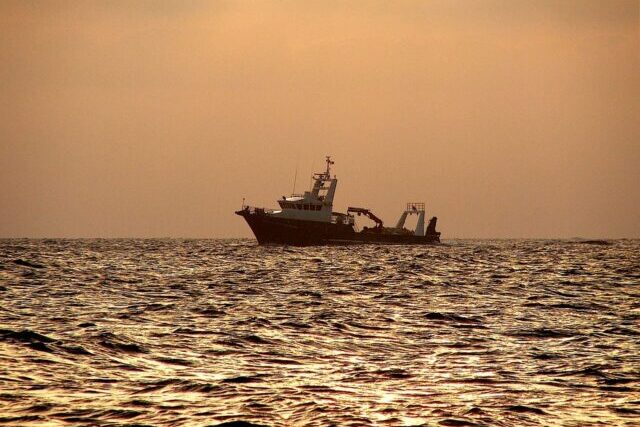
Climate Change Threatens Kiribati’s Tuna Industry and Food Security
The vast Pacific Ocean supplies more than half of the world’s tuna, supporting economies, livelihoods and food systems across many island nations. Among these nations is the Pacific country of Kiribati, where tuna is not only a major economic resource but also a cornerstone of daily life.
However, rising ocean temperatures driven by climate change are creating growing uncertainty. Scientists warn that changing marine conditions could force tuna populations to move away from Kiribati’s waters, threatening government revenues, local food supplies and the country’s long-term economic stability.
Kiribati’s Huge Ocean Territory Supports a Major Fishing Economy
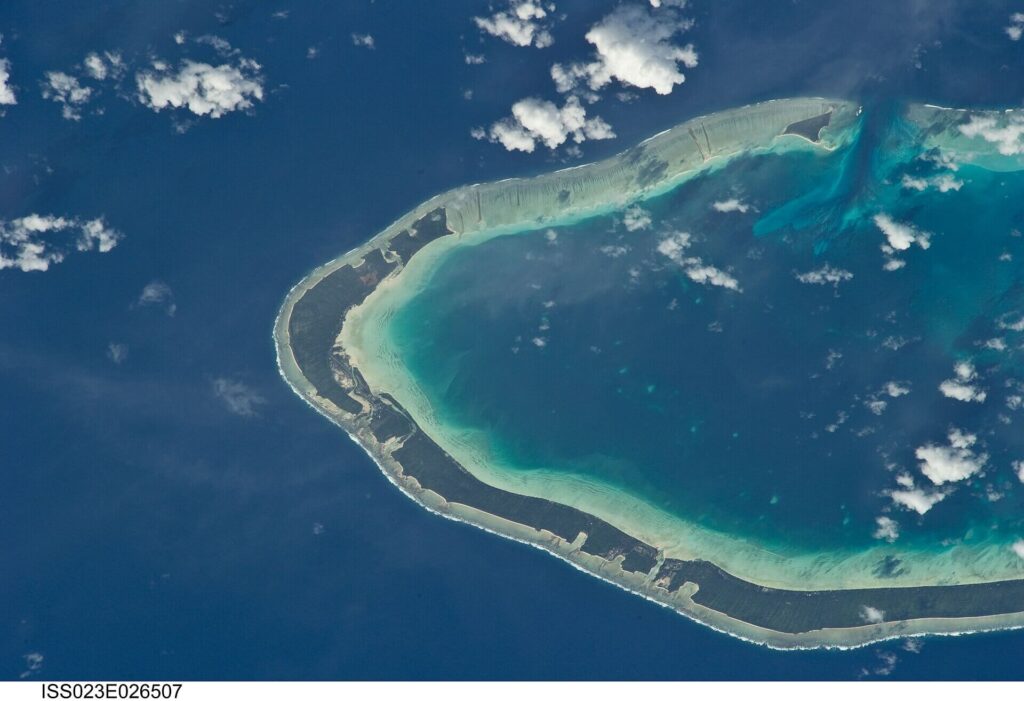
Although Kiribati has a relatively small land area, roughly comparable to the size of New York City, its marine territory is enormous.
The country controls an Exclusive Economic Zone (EEZ) spanning more than 3.4 million square kilometres across its three island groups:
- Gilbert Islands
- Phoenix Islands
- Line Islands
This vast ocean region is larger than India and contains rich marine ecosystems filled with commercially valuable species including:
- Skipjack tuna
- Yellowfin tuna
- Bigeye tuna
Fishing activity within these waters plays a vital role in supporting the national economy.
Tuna Fishing Licences Generate Major Government Revenue
Kiribati relies heavily on selling fishing licences to foreign fleets seeking access to its waters.
Countries and regions purchasing licences include:
- Japan
- China
- United States
- European Union nations
Foreign fleets must obtain licences before fishing and comply with strict regulations covering catch limits and reporting requirements.
Government figures shows Kiribati earned approximately $137 million (£102 million) from fishing licences in 2024 alone.
These licence sales represent one of the most significant sources of government income, contributing nearly three-quarters of state revenues between 2018 and 2022 and accounting for around 40% of the country’s economy.
For Kiribati, tuna is far more than an export industry — it forms a critical financial foundation.
Rising Ocean Temperatures Could Shift Tuna Migration Patterns
Climate scientists warn that tuna are extremely sensitive to temperature changes and can respond to differences of just fractions of a degree.
As Pacific Ocean surface temperatures increase, researchers predict tuna stocks may gradually migrate eastwards towards cooler waters. The global tuna market is worth more than $44bn a year, according to one study.
This shift could create serious challenges for Kiribati because:
- Tuna may spend less time within the country’s EEZ
- Overseas fleets could require fewer licences
- Government income could decline significantly
Modelling by Kiribati’s fisheries authorities suggests the nation could lose more than $10 million annually in fishing access fees by 2050 if greenhouse gas emissions remain high.
Under lower-emission scenarios, impacts may be reduced considerably.
“Next time you go into the supermarket and you look at the cans of tuna, five-and-a half cans out of 10 stacked up are coming from the Western Central Pacific Ocean [including Kiribati],” says Simon Diffey.
He is a fisheries specialist with more than 30 years of experience covering Kiribati.
“The highest point above sea level in Kiribati – unless you climb a coconut tree – is two metres. No water, no land, no resources other than fish.”
Local Communities Could Face Declining Fish Supplies
The movement of tuna stocks may affect not only government finances but also everyday food availability.
People in Kiribati consume exceptionally high amounts of fish compared with many developed nations.
Average annual fish consumption per person:
- Kiribati: approximately 100kg
- United States: approximately 9kg
- Japan: approximately 22kg
Fish has traditionally served as the main source of protein across many communities, particularly on outer islands.
However, reduced fish availability may increase reliance on imported foods, potentially leading to:
- Rising household costs
- Lower nutritional quality
- Greater food security concerns
Population growth and increasing urbanisation, especially around the capital Tarawa, may place additional pressure on already limited resources.
Climate Adaptation Projects Aim to Protect Pacific Communities
Governments and international organisations are introducing programmes to strengthen resilience against climate-related changes.
A major initiative supported by the United Nations’ Green Climate Fund is investing more than $156 million across Pacific nations to help communities adapt to changing tuna distribution patterns.
The programme aims to:
- Improve forecasting systems for tuna movements
- Strengthen food security measures
- Reduce economic risks linked to fisheries
- Help governments prepare for future changes
Kiribati itself is also pursuing new strategies to diversify its economy.
“These measures are expected to provide around four million nutritious fish meals each year for communities in Kiribati,” says the Ministry of Fisheries.
Kiribati Is Exploring New Economic Opportunities
To reduce dependence on fishing licence revenues, the government is developing several alternatives, including:
- Expanding tuna processing and canning industries
- Ocean farming species such as milkfish, snapper and sea cucumbers
- Supporting renewable energy development
- Encouraging tourism growth
- Investing through offshore sovereign wealth funds
These efforts could provide additional sources of income while improving domestic food security.
Climate Change Presents an Existential Challenge
The ocean has shaped Kiribati’s culture, economy and identity for generations. Yet the same waters that sustain the nation are increasingly becoming a source of vulnerability.
“Kiribati retains grounds for optimism and strategic opportunity,” Riibeta Abeta says, permanent secretary for the country’s Ministry of Fisheries.
As climate change alters marine ecosystems and fish migration patterns, Kiribati faces a difficult challenge: adapting quickly enough to protect its economy, food systems and future prosperity.
Support Environmental Solutions
At Natural World Fund, we support long-term environmental solutions that strengthen ecosystem resilience and protect communities that depend on nature. Healthy oceans play a critical role in supporting biodiversity, food security and livelihoods worldwide. Investing in climate action and sustainable marine management can help safeguard vulnerable nations and protect future generations.
If you care about restoring native wildlife in the UK, support the work of Natural World Fund today.
Image sources
- ISS023-E-26507_-_View_of_Kiribati by Earth Science and Remote Sensing Unit, Lyndon B. Johnson Space Center. Cropped and resized from original.: Wikipedia Commons
- FISHING_TRAWLER_CRUISING_THE_GOLDEN_SEA_(3730828403) by Peter Grima. Cropped and resized from original: Wikipedia Commons