

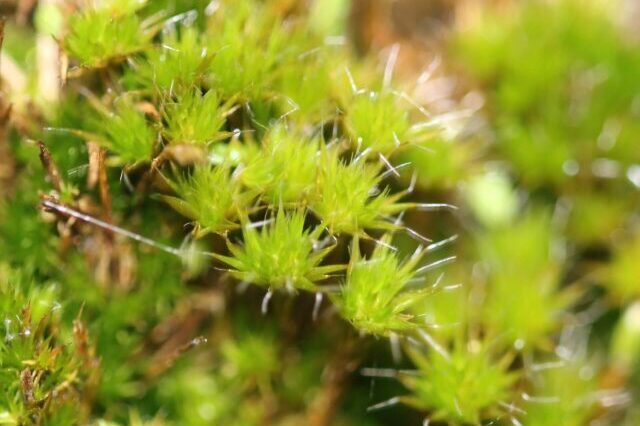
Newly Discovered ‘Killer Fungus’ Could Help Restore UK Habitats Threatened by Invasive Moss
A newly identified fungus discovered in Britain is giving conservationists hope that damaged native habitats could recover from the spread of an invasive moss species that has been overwhelming ecosystems across the UK.
Scientists have found that the fungus attacks heath-star moss, a highly invasive species that has spread rapidly across Britain, outcompeting native mosses and altering fragile habitats. The discovery could represent a rare example of nature developing its own defence against an invasive species.
Scientists Discover Natural Enemy of Invasive Heath-Star Moss
The fungus, now known as moss die-back, was first noticed by researcher Dr George Greiff during a walk on the Isle of Wight four years ago. He observed patches of dead heath-star moss growing on a cliffside and collected samples, intrigued by what appeared to be a natural disease affecting the invasive plant.
Over the following years, Greiff continued to encounter similar cases of moss decay across the UK. Working alongside scientists in Britain and France, he eventually identified the cause as a previously unknown fungal species.
Unlike many fungi that are associated with disease and environmental damage, this newly discovered organism could provide significant ecological benefits.
What Is Heath-Star Moss?
Although not as well known as invasive plants such as Japanese knotweed or rhododendron, heath-star moss has become one of the UK’s most successful invasive species.
Scientists believe the moss arrived from the Southern Hemisphere sometime during the 1940s. By the 1990s, it had become widespread across Britain and can now be found on hillsides, sand dunes, woodland edges, roadside verges and even urban surfaces.
“It’s aggressive. I’ve even seen it growing in tarmac,” says Greiff.
Despite its attractive appearance, the moss has become a serious ecological concern.
“It is a pretty-looking thing,” he concedes, plucking fragments off a clump torn from a carpet of green moss. “But it’s caused a lot of problems,” he says.
How Invasive Species Threaten UK Wildlife
Around 2,000 non-native species of plants and animals have been introduced to Britain, either accidentally or deliberately. While many remain harmless, some become invasive and cause significant ecological damage.
Well-known examples include the North American grey squirrel, which has contributed to the decline of native red squirrels, and Japanese knotweed, which causes widespread damage to properties and infrastructure.
Heath-star moss is proving similarly disruptive within sensitive ecosystems. Its ability to spread rapidly through spores allows it to dominate habitats and crowd out native vegetation.
“This moss has just exploded. In the 1930s, native mosses would have been growing here instead,” Greiff explains.
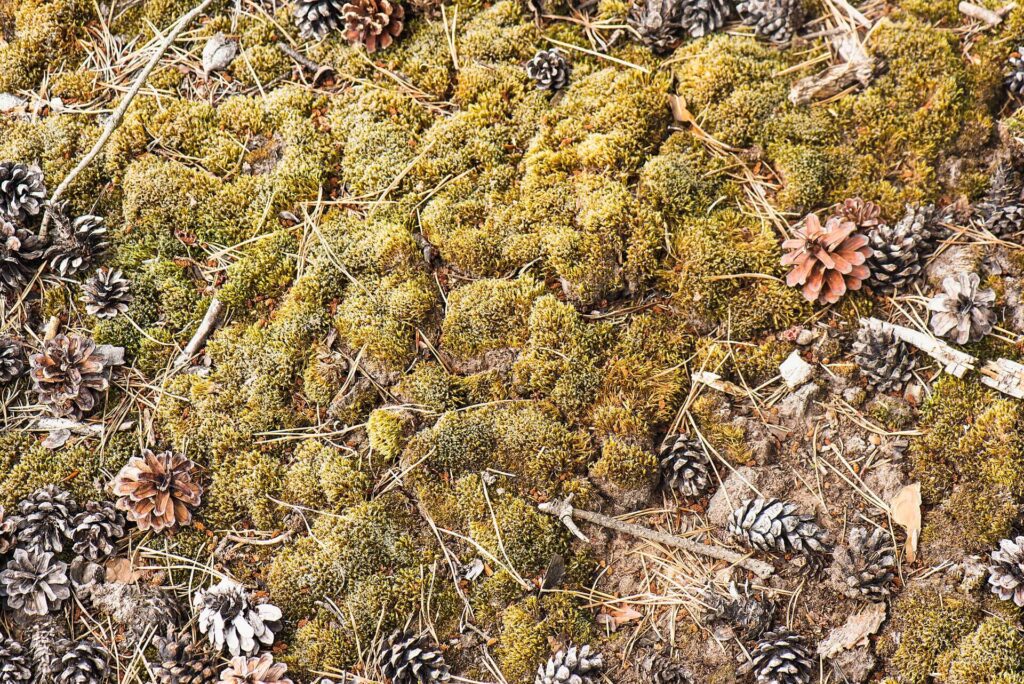
Why Mosses Matter for Biodiversity
Britain is home to more than 1,000 species of moss, many of which play essential roles in supporting wildlife and maintaining healthy ecosystems.
Mosses form a crucial part of valuable habitats such as temperate rainforests and peatlands. These environments support a wide range of insects, fungi, molluscs and plants while also helping to store carbon and regulate water systems.
However, invasive species such as heath-star moss can alter these habitats by forming dense carpets that suppress native species.
During a visit to Bannau Brycheiniog National Park near Abergavenny in South Wales, Greiff demonstrated how the invasive moss has transformed local heathland ecosystems.
“In heathlands like this one, native mosses have gone locally extinct or reduced significantly in their populations,” he says.
The ‘Fairy Rings of Death’
One of the most visible signs of the fungus is the appearance of circular patches of dead moss, which Greiff refers to as “patches of death” or “fairy rings of death”.
While the brown rings may appear unremarkable at first glance, close examination reveals the fungus actively colonising moss stems. Under magnification, white fungal structures can be seen growing from the moss tips.
Importantly, these dead patches create opportunities for native plants to return.
Greiff points to young heather seedlings emerging in areas where the moss has died back, suggesting that natural habitat recovery may already be underway.
Advanced DNA Analysis Reveals a New Species
Identifying the fungus was a lengthy scientific process requiring extensive DNA sequencing and laboratory analysis.
“It’s taken a lot of DNA sequencing to fully identify this fungus,” he says.
Researchers found that the fungus grows around moss stems and can penetrate some of the plant’s cells. Genetic studies have also revealed that it is closely related to the fungus responsible for ash dieback, a disease that has killed millions of ash trees across Britain.
Despite this connection, early research suggests the moss die-back fungus may be highly specialised.
Could This Fungus Help Control an Invasive Species?
One of the most encouraging findings so far is that the fungus appears to target heath-star moss almost exclusively.
Greiff’s research indicates it affects the invasive moss and, to a limited extent, one other moss species. Further study is needed, but current evidence suggests it poses little threat to wider biodiversity.
He believes the fungus may have evolved from a native species that adapted to exploit the invasive moss.
This could be a “rare example of the British environment fighting back”, he says.
Unlike costly and labour-intensive control programmes often used to tackle invasive species, the fungus may provide a natural biological solution.
“Some people might try to collect this moss to try and get rid of it, but it’s not very effective. It would be very resource-intensive, very expensive,” says Greiff.
“To have a natural biological control agent doing it for us is really valuable,” he explains.
Museum Collections May Hold the Key to Its Origins
Researchers at Amgueddfa Cymru are now examining historic moss specimens to determine when the fungus first appeared.
The museum houses one of the UK’s oldest collections of preserved mosses, with some specimens dating back to the 1880s. Scientists hope these archives may reveal whether the fungus has been present for decades or represents a more recent development.
Dr Nathan Smith, Head of Plant and Earth Science at the museum, believes the discovery could have major conservation benefits.
“This fungus gives an opportunity to save these unique moss landscapes that are homes for insects, fungi, molluscs, other plants,” explains Smith.
“It gives a real chance to preserve and present their uniqueness and beauty,” he says.
A Rare Piece of Good News for UK Nature
Britain is considered one of the most nature-depleted countries in the world, with approximately one in six species facing the risk of extinction. Habitat loss, invasive species and environmental pressures continue to threaten wildlife across the country.
Against this backdrop, the discovery of a naturally occurring fungus capable of suppressing an invasive species offers a rare reason for optimism.
As scientists continue to study moss die-back and its ecological impacts, the fungus may prove to be an important ally in restoring native habitats and protecting biodiversity.
“It’s exciting in so many respects. Though I am the only one looking for the fungus. It would be nice if some other people did too,” says Greiff.
Supporting UK Habitat Restoration and Biodiversity Recovery
At Natural World Fund, we support international efforts to protect biodiversity, restore ecosystems and empower local communities to conserve the natural world. Long-term investment in conservation projects is vital for safeguarding wildlife, strengthening climate resilience and supporting sustainable livelihoods. Ensuring effective funding reaches the areas where nature is under greatest pressure will play an important role in helping achieve global biodiversity and environmental goals.
If you care about restoring native wildlife, support the work of Natural World Fund today.
Image sources
- 20220623_Campylopus_introflexus by Flocci Nivis. Resized from original: Wikipedia Commons
- Campylopus_introflexus_101359748 by Valentin Hamon. Cropped and resized from original: Wikipedia Commons