
Salty Water Threatens Recovery of Rare Natterjack Toad in Scotland, Study Finds
A new study has revealed that increasing salt levels in freshwater breeding ponds could be preventing the recovery of one of the UK’s rarest amphibians, the natterjack toad.
Researchers found that saline water in former breeding sites along Scotland’s Solway Coast is linked to poor hatching success, stunted growth and developmental changes in young toads, making it harder for populations to recover.
Natterjack Toads Survive in Only a Few UK Locations
The natterjack toad is one of Britain’s rarest amphibians and is now found in only a limited number of locations across the UK.
In Scotland, the species survives exclusively along the Solway Coast, including at the RSPB’s Mersehead Reserve near Southerness. However, the toad has disappeared from several former breeding sites in the region, prompting researchers to investigate the reasons behind its decline.
The findings have been published in the academic journal Ichthyology and Herpetology.
Scientists Investigate Former Breeding Ponds
The research project was led by Dr Frances Orton, an environmental biologist at Heriot-Watt University in Edinburgh.
Explaining the motivation behind the study, Dr Orton said:
“Natterjack toads have declined across the UK, not just in Scotland.
“We wanted to find out why these tiny toads were surviving in the nature reserve in Dumfries and Galloway, but had disappeared from sites along that coast.
“We used anecdotal reports from farmers and local wildlife groups to identify former breeding ponds in Caerlaverock, Southerness and several farms.”
Researchers collected water samples from Mersehead Reserve, where natterjack toads continue to breed successfully, and compared them with samples from former breeding sites nearby.
The team measured factors including water temperature, pH levels and salinity before exposing natterjack spawn to water from each location.
High Salinity Linked to Failed Hatching
The study found a strong connection between elevated salinity levels and poor breeding outcomes.
According to Dr Orton:
“Some of the former breeding sites had such a high level of salinity that no embryos survived to hatching.
“Some weren’t as lethally salty, but what we saw there was that the toads were much smaller.
“That doesn’t sound like a big deal, but when you’re a frog, size really does matter. 95% of tadpoles are eaten by predators.
“For the 5% that make it to the next stage of development, they need to be as big as possible for a chance at survival.”
The findings suggest that even when salt concentrations are not immediately fatal, they can significantly reduce the chances of young toads surviving long enough to reach adulthood.
Implications for Natterjack Toad Conservation
Conservation efforts aimed at restoring natterjack populations have traditionally focused on improving terrestrial habitats through measures such as scrub clearance and vegetation management.
However, the new research indicates that water quality may play an equally important role in determining whether restoration projects succeed.
Dr Orton said:
“Until now, a lot of natterjack toad restoration efforts have focused on improving terrestrial habitat, like clearing scrub or controlling vegetation.
“That’s still important, but now we know that unless the salinity of the water is tackled, the tiny toads will have no chance of survival.”
The researchers believe that addressing salt levels in breeding ponds could help improve conservation outcomes and support the long-term recovery of natterjack toad populations in Scotland and across the UK.
Protecting Rare Amphibians and Their Habitats in the UK
At Natural World Fund, we support conservation efforts that protect threatened species and restore the habitats they rely on. Research such as this highlights the importance of understanding environmental pressures that can affect wildlife recovery. Supporting habitat restoration, freshwater ecosystem protection and species conservation programmes can help ensure rare amphibians like the natterjack toad have a better chance of survival in the future.
If you care about restoring native wildlife, support the work of Natural World Fund today.
Image sources
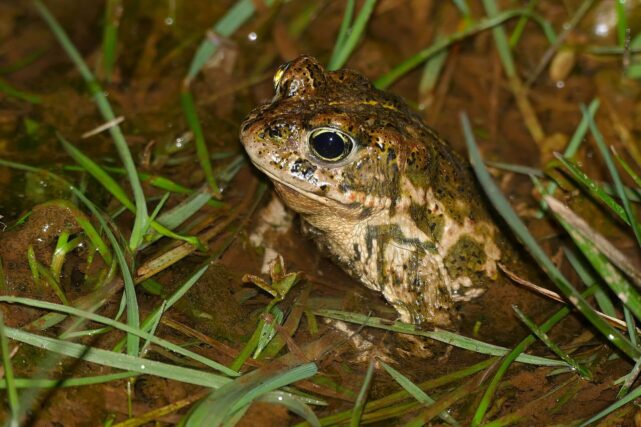
- Natterjack Toad (Epidalea calamita) (7557521168) by Thomas Brown. Resized from original: Wikipedia Commons
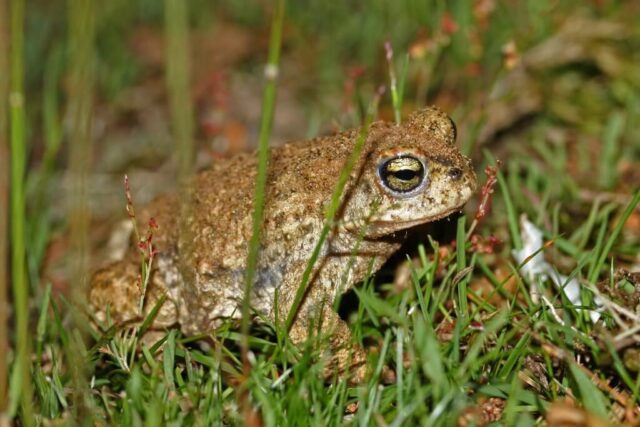
- Natterjack_Toad_(Epidalea_calamita)_male_(16804281035) by Bernard Dupont. Resized from original: Wikipedia Commons